National museums such as the five that make up the Science Museum Group, which I’m privileged to Chair, are in the fortunate position of receiving some Government funding. It is critical to our responsibilities in caring for the national collections we hold on behalf of the nation. In our case, this funding accounts for nearly half of the cost of running five museums that inspire more than five million visitors in a typical year.
Ensuring our museums prosper demands innovation from our teams in finding novel ways to generate revenue, while respecting the principle of free access to the collection. It also relies upon the generosity of visitors who choose to make a donation, pay to see a temporary exhibitions or interactive experience or take home a souvenir of their visit from our popular shops. Equally important is the generous support we receive from a coalition of philanthropists, charitable trusts and foundations, and businesses who share a passion for our mission to inspire the next generation of scientists and engineers.
On taking up the post of Chair I was very impressed to discoverthat not a penny of the £95 million invested in transforming many of the Science Museum’s galleries in the past decade came from taxpayers. Many of the old galleries had been long overdue an overhaul, as scientific thinking and presentational techniques had moved on. The remarkable new galleries exploring medicine, communications technology, mathematics, the worlds of technicians and engineers and a stunning new gallery on the energy transition the world needs to see were only possible because of the backing of sponsors.
As anyone who has visited will tell you, Wonderlab: The Equinor Galleryis among the highlights of a day out at this rejuvenated Science Museum. Significant investment from Norwegian energy firm Equinor enabled the Science Museum team to create an extraordinary space with 50 unique exhibits, specially-commissioned artworks, explosive demonstrations and immersive experiences that has ignited the curiosity of more than 2 million visitors since opening.
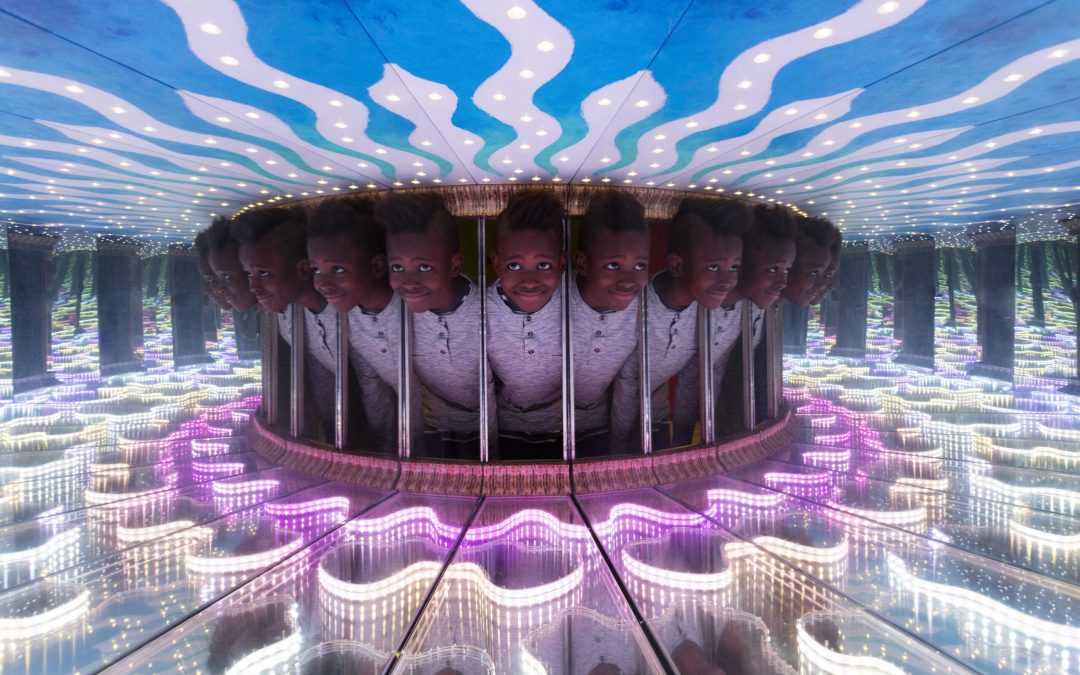
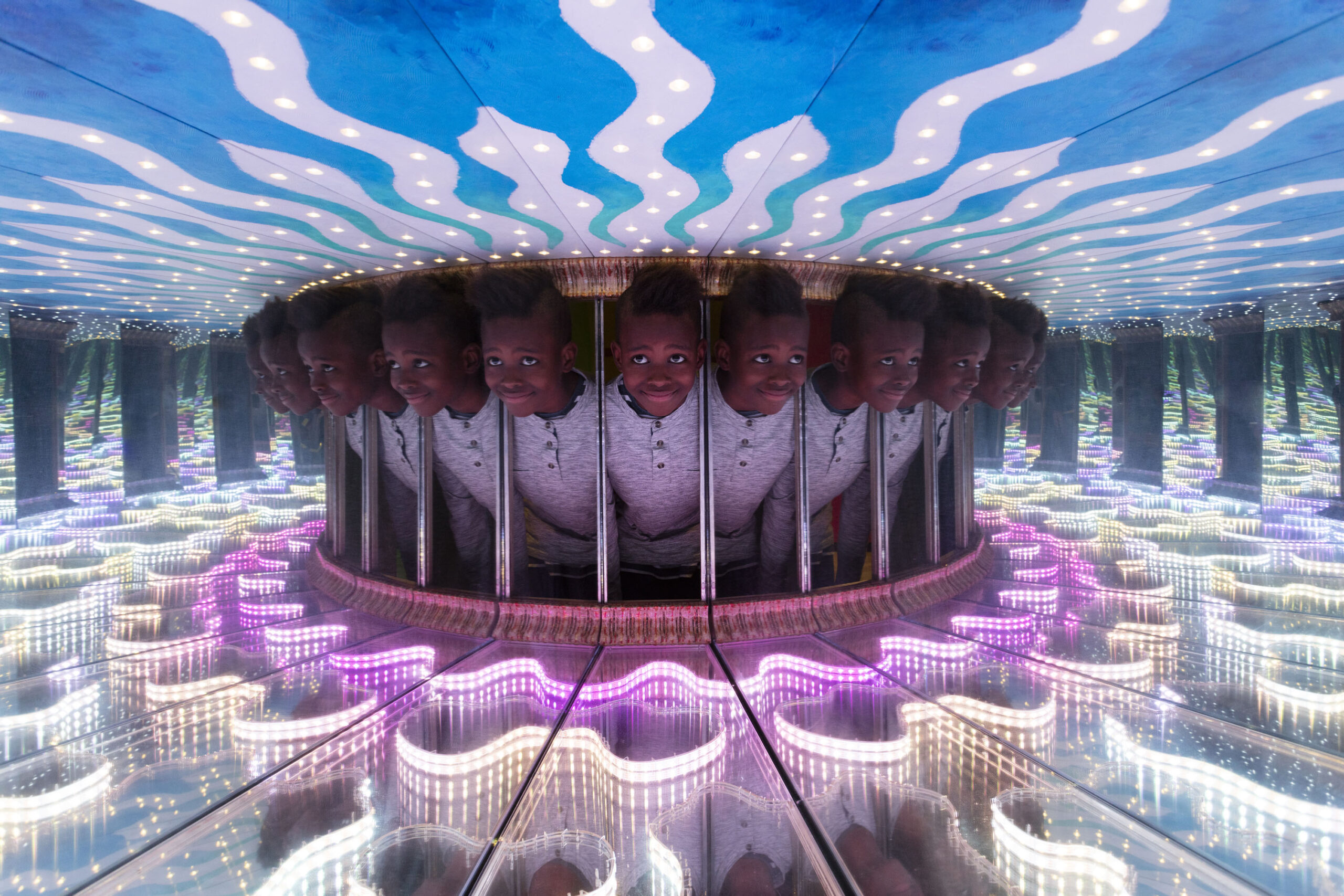
A young Wonderlab visitor is reflected inside the Infinity Boxes exhibit.
Wonderlabhelps young people to think like a scientist. Some of our visitors will go on to become technicians and engineers, finding and implementing solutions to huge global issues such as climate change, which is a major priority for the Science Museum Group’s work and public engagement. We are extremely grateful for the support in funding Wonderlab of Equinor, a broad energy company whose activities now extend beyond its fossil fuel roots to include, among other things, working with partners to construct the world’s largest offshore wind farm at Dogger Bank, off England’s northeast coast.
The whole energy industry needs to go further faster in the shift to renewable energy. As part of the Science Museum Group’s engagement with partners and potential partners in carbon intensive industries, our Trustees use the respected Transition Pathway Initiative (TPI) to assess their progress on the transition to a low-carbon economy, supporting efforts to mitigate climate change.
As a Board we do not agree with those who say we should rule out accepting sponsorship from all companies involved in fossil fuel extraction. After all, they have both the expertise and the wealth to solve the problems that fossil fuels have created. We believe in constructive engagement with companies that will be key in making the global economy less carbon intensive. Those with whom we partner must demonstrate that they are moving with sufficient urgency along the transition pathway to match our aspirations.
Equinor’s sponsorship of the museum has drawn to a close at the end of their current contract term. Their contribution has been enormously important to us and has helped inspire hundreds of thousands of young potential engineers and scientists. The partnership concludes with our warm appreciation and with our ongoing encouragement to Equinor to continue to raise the bar in their efforts to put in place emissions reduction targets aligned with limiting global warming to 1.5°C.
In 2024, the Rockbund Art Museum unveils an exciting new venture that challenges the conventional perception of museum spaces. With their groundbreaking project, the “Semi-Permanent Occupy Initiative,” they embark on a journey to redefine and expand the boundaries of art exhibition and engagement.
This ambitious endeavor is a response to the growing need for inclusivity and dynamism in the art world, reflecting a broader societal shift towards questioning traditional hierarchies and power structures. Inspired by historical and contemporary movements, the Rockbund Art Museum seeks to create a platform that recognizes and embraces the multiplicity of voices and narratives within the art community.
Historical Context
Throughout history, museums have often maintained a position of authority, dictating which artists and artworks are worthy of attention and perpetuating a certain elitism. However, over the years, we have witnessed transformative moments that shattered these conceptions and paved the way for a more democratic art landscape.
The emergence of the Dada movement in the early 20th century, for instance, challenged the established norms of art and institutions through their provocative and unconventional approaches. By rejecting traditional artistic forms and embracing everyday objects as art, Dadaists sought to dismantle the boundaries between art and life, blurring the lines that confined creativity to the walls of museums.
Further in our history, the emergence of the Occupy Wall Street movement in 2011 sparked conversations about power, inequality, and the right to occupy public spaces. The protests served as a reminder that public spaces are not only physical locations but also venues for the diverse expression of ideas and concerns.
Contemporary Relevance
Building upon these historical moments, the Rockbund Art Museum’s “Semi-Permanent Occupy Initiative” aims to redefine how we perceive and interact with art and museum spaces. By inviting alternative definitions of marginal museum spaces, this project seeks to break down barriers and create an open, inclusive environment where multiple narratives can coexist and thrive.
Through this initiative, the museum aspires to challenge the notion of art as a static, isolated medium confined within defined walls. Instead, it embraces art’s potential to transcend physical boundaries and establish connections with the broader social and cultural landscape.
The Power of Art as a Catalyst
By reimagining the role and purpose of museum spaces, this project aims to ignite conversations, inspire critical thinking, and foster collaboration and participation. It recognizes that museums have the power to act as catalysts for social change, challenging established norms while amplifying voices that have long been marginalized.
The “Semi-Permanent Occupy Initiative” signifies a significant step towards a more inclusive and democratic future for the art world. It invites artists, curators, and audiences alike to question and redefine the power dynamics within museum spaces, reimagining them as platforms that reflect the diversity and complexity of our society.
“The true power of museums lies in their potential to be spaces that inspire and engage, offering platforms for unfiltered expression and dialogue.” – Rockbund Art Museum
In 2024, the Rockbund Art Museum is launching a long-term project, “Semi-Permanent Occupy Initiative”, which invites alternative definitions of museum spaces traditionally seen as marginal.
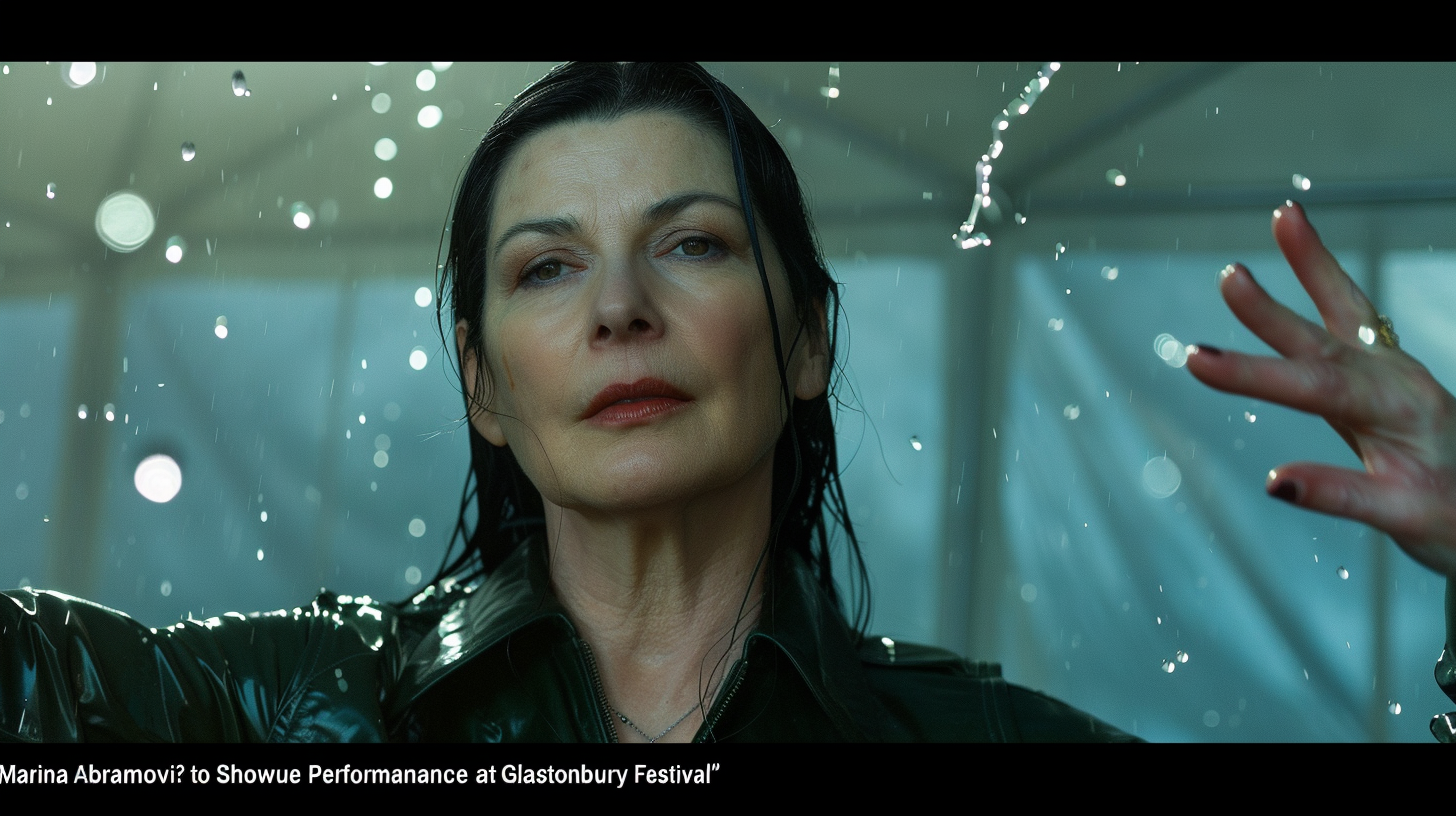
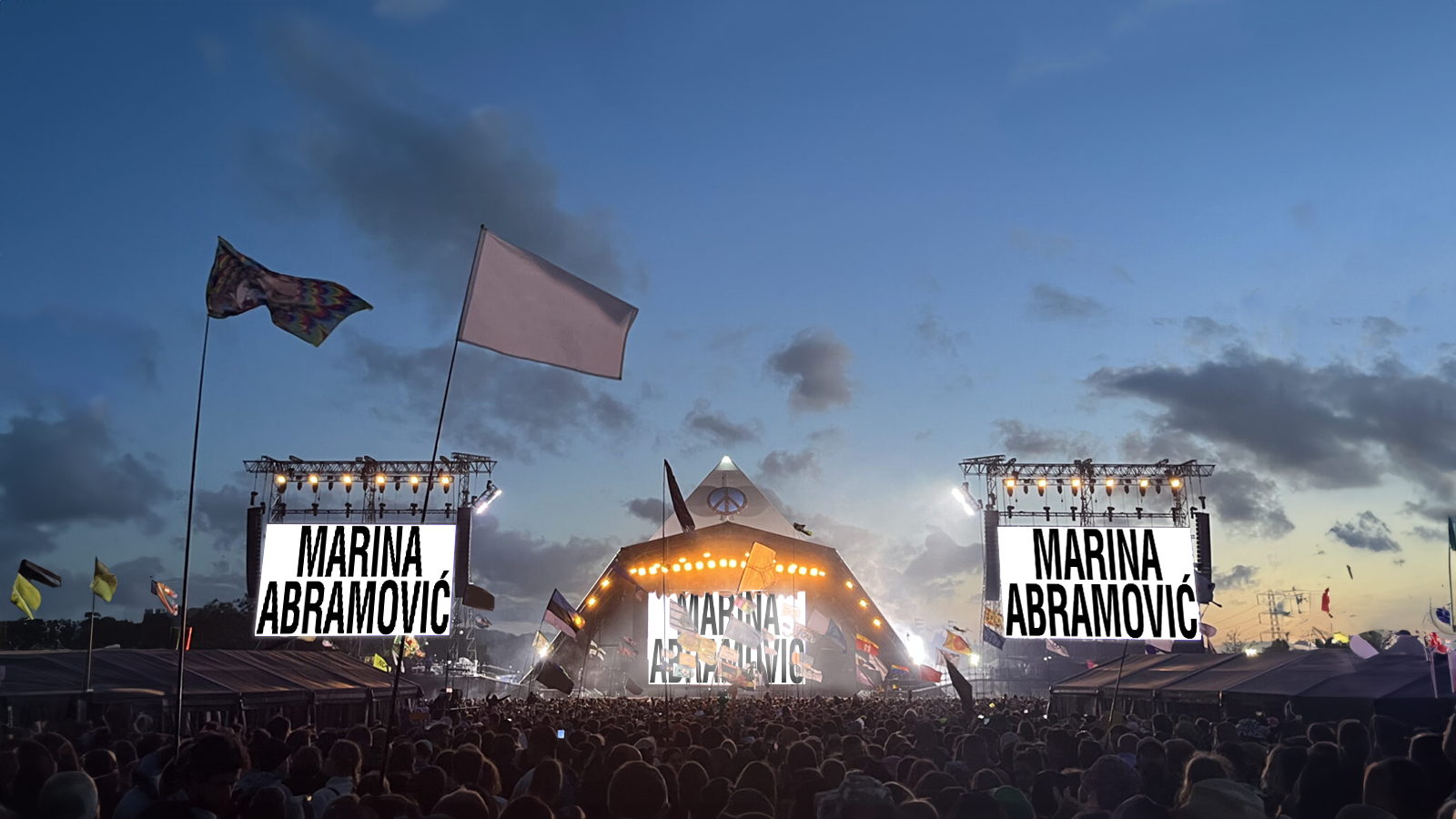
At this year’s Glastonbury Festival, the renowned performance artist Marina Abramovi? is set to deliver an extraordinary and unparalleled experience. Known for her daring and thought-provoking performances, Abramovi?’s presence at Glastonbury promises to ignite conversations and push boundaries, inviting festival-goers to delve into the depths of human expression and connection.
An Exploration of Human Expression and Connection
Abramovi?’s work has always sought to challenge the limits of what is considered acceptable in art and to blur the lines between artist and audience. Her performances often evoke intense emotional responses, ranging from shock and discomfort to introspection and profound connection. By immersing herself in her art, Abramovi? invites the viewer to question their own existence, their relationship with others, and the power of vulnerability.
This unique experience at Glastonbury will undoubtedly be a continuation of Abramovi?’s exploration of human expression and connection. As festival-goers navigate the music-filled fields and eclectic attractions, they will encounter encounters that test the boundaries of their comfort, engaging them in a transformative journey. Abramovi?’s presence will undoubtedly leave an indelible mark on the festival’s attendees, allowing them to tap into their own vulnerability and connect with others on a deeply visceral level.
The Historical Significance of Performance Art
Abramovi?’s work is not only significant in contemporary art but also holds historical importance. Performance art as a genre emerged in the 20th century as artists sought new ways to challenge the traditional notions of art and engage with their audience. Figures such as Abramovi? and her contemporaries, such as Joseph Beuys and Yoko Ono, pushed the boundaries of what was considered art and paved the way for future generations of artists.
Performance art, with its ephemeral nature and emphasis on the live experience, has consistently challenged established art forms. By placing the artist and audience in the same space, performance art creates a unique dynamic that encourages active participation and introspection. Abramovi?’s presence at Glastonbury continues this tradition, offering festival-goers an opportunity to engage with art in a way that is personal and deeply transformative.
The Intersection of Art, Music, and Spirituality
Glastonbury Festival itself is a place of convergence, where art, music, and spirituality intertwine. It is a space where people come together to celebrate creativity and self-expression, offering an escape from the constraints of everyday life. Marina Abramovi?’s inclusion in the festival lineup adds another layer to this already vibrant mix, inviting festival-goers to explore the intersection of art, music, and spirituality on a whole new level.
As the festival pulsates with the beats of music and magic, Abramovi?’s performances will act as a bridge between these interconnected realms, inviting attendees to reflect on the power of art in shaping our understanding of ourselves and the world around us. It is an opportunity that should not be missed, as it promises to leave a lasting impression and ignite conversations that extend far beyond the festival grounds.
In Conclusion
Marina Abramovi?’s presence at this year’s Glastonbury Festival offers a once-in-a-lifetime opportunity for festival-goers to engage with art on a profound and transformative level. By pushing the boundaries of human expression and connection, Abramovi? continues the legacy of performance art and challenges traditional forms of artistic engagement. Her inclusion in the festival lineup adds a new layer to the already vibrant mix of art, music, and spirituality that defines Glastonbury. Brace yourself for an experience that will leave a lasting impact and spark conversations long after the festival ends.
Renowned performance artist Marina Abramovi? is set to bring a unique experience to this year’s Glastonbury Festival
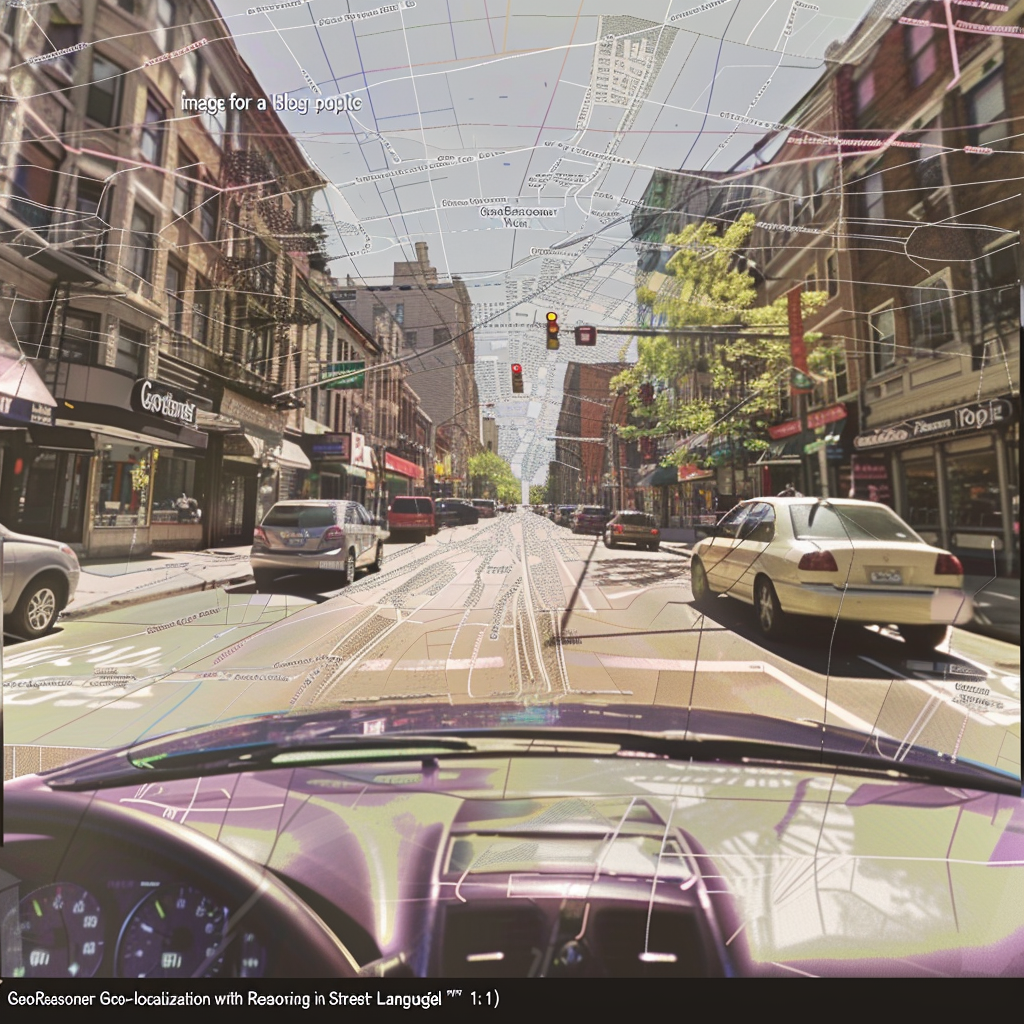
arXiv:2406.18572v1 Announce Type: new Abstract: This work tackles the problem of geo-localization with a new paradigm using a large vision-language model (LVLM) augmented with human inference knowledge. A primary challenge here is the scarcity of data for training the LVLM – existing street-view datasets often contain numerous low-quality images lacking visual clues, and lack any reasoning inference. To address the data-quality issue, we devise a CLIP-based network to quantify the degree of street-view images being locatable, leading to the creation of a new dataset comprising highly locatable street views. To enhance reasoning inference, we integrate external knowledge obtained from real geo-localization games, tapping into valuable human inference capabilities. The data are utilized to train GeoReasoner, which undergoes fine-tuning through dedicated reasoning and location-tuning stages. Qualitative and quantitative evaluations illustrate that GeoReasoner outperforms counterpart LVLMs by more than 25% at country-level and 38% at city-level geo-localization tasks, and surpasses StreetCLIP performance while requiring fewer training resources. The data and code are available at https://github.com/lingli1996/GeoReasoner.
[This article was first published on The Jumping Rivers Blog, and kindly contributed to R-bloggers]. (You can report issue about the content on this page here)
Want to share your content on R-bloggers? click here if you have a blog, or here if you don’t.
August 2023 marked the thirtieth anniversary of the first public release of the R programming language. To celebrate this, and to show how far the language has evolved across those three decades, the timeline below shows some landmark events, packages and papers (with some Jumping Rivers items thrown in for good measure). Have we missed any of your personal favourites? Let us know via our social media channels and we’ll see if we can squeeze them in. On browsers that support it, double click/tap on any image or video on the timeline to see it full screen.
The Evolution of R Programming Language: Implications and Future Developments
In 2023, the open source programming language R celebrated an impressive three decades since its first public release. During this time, it has become a preferred tool for data scientists, statisticians, and researchers. This article meditates on the journey of the R language over the past thirty years, leveraging points of reference from a timeline assembled by the Jumping Rivers Blog, and explores potential implications and developments of this increasingly popular language.
Milestones in R Programming’s Journey
The provided timeline illustrates key events, packages, and important papers that have significantly contributed to the growth and advancement of this open-source language. It is inspired by Figure 1 from the article “The R Language: An Engine for Bioinformatics and Data Science” in the open access journal, Life. Let’s explore some long-term implications of R’s evolution and future potential.
Implications of R’s Evolution
Over its three-decade journey, R has gained widespread acceptance and usage in academia and industry, primarily for statistical programming and data analysis. It has turned out to be an indispensable tool for bioinformatics, machine learning, flawless data manipulation, and statistical modeling. These use cases have broader implications:
R’s comprehensive nature makes it suitable for handling both small-scale data analysis and complex projects, enhancing its adaptability and usage.
The broad range of packages available makes R a versatile tool that can cover an extensive ground for statistical analysis.
The continually expanding R community provides a platform for the exchange of insights, fostering continual evolution of the language itself.
The Future of R Programming
The consistent updates and advancements in R over the past thirty years suggest that the language will continue to evolve dynamically. Future developments are likely to focus on enhancing data analysis capabilities, from data manipulation to visualization:
We may see further optimizations that make R faster and more efficient, particularly for larger datasets.
Anticipated developments include the introduction of more versatile tools and packages to simplify and broaden the scope of data analysis processes.
R’s integration capabilities with other languages like Python might be enhanced, supporting more collaborative work in data science projects.
Actionable Advice
For individuals and organizations invested in data science and related fields, understanding these implications and likely future developments is crucial. While learning and gaining proficiency in R is necessary, it is equally important to stay updated with developments in the language.
Regularly participate in R community interactions to remain informed of the latest updates and innovations.
Explore and engage with various R packages and resources to expand your competency and problem-solving capabilities.
Organizations can leverage R’s breadth and capacity for data analysis, as well as its extensibility, to ensure robust, in-depth analysis and interpretation.
Individuals and organizations should also anticipate and prepare for the enhanced integration capabilities of R with other languages that promise to open new avenues for collaboration and data science applications.







 arXiv:2406.18572v1 Announce Type: new Abstract: This work tackles the problem of geo-localization with a new paradigm using a large vision-language model (LVLM) augmented with human inference knowledge. A primary challenge here is the scarcity of data for training the LVLM – existing street-view datasets often contain numerous low-quality images lacking visual clues, and lack any reasoning inference. To address the data-quality issue, we devise a CLIP-based network to quantify the degree of street-view images being locatable, leading to the creation of a new dataset comprising highly locatable street views. To enhance reasoning inference, we integrate external knowledge obtained from real geo-localization games, tapping into valuable human inference capabilities. The data are utilized to train GeoReasoner, which undergoes fine-tuning through dedicated reasoning and location-tuning stages. Qualitative and quantitative evaluations illustrate that GeoReasoner outperforms counterpart LVLMs by more than 25% at country-level and 38% at city-level geo-localization tasks, and surpasses StreetCLIP performance while requiring fewer training resources. The data and code are available at https://github.com/lingli1996/GeoReasoner.