

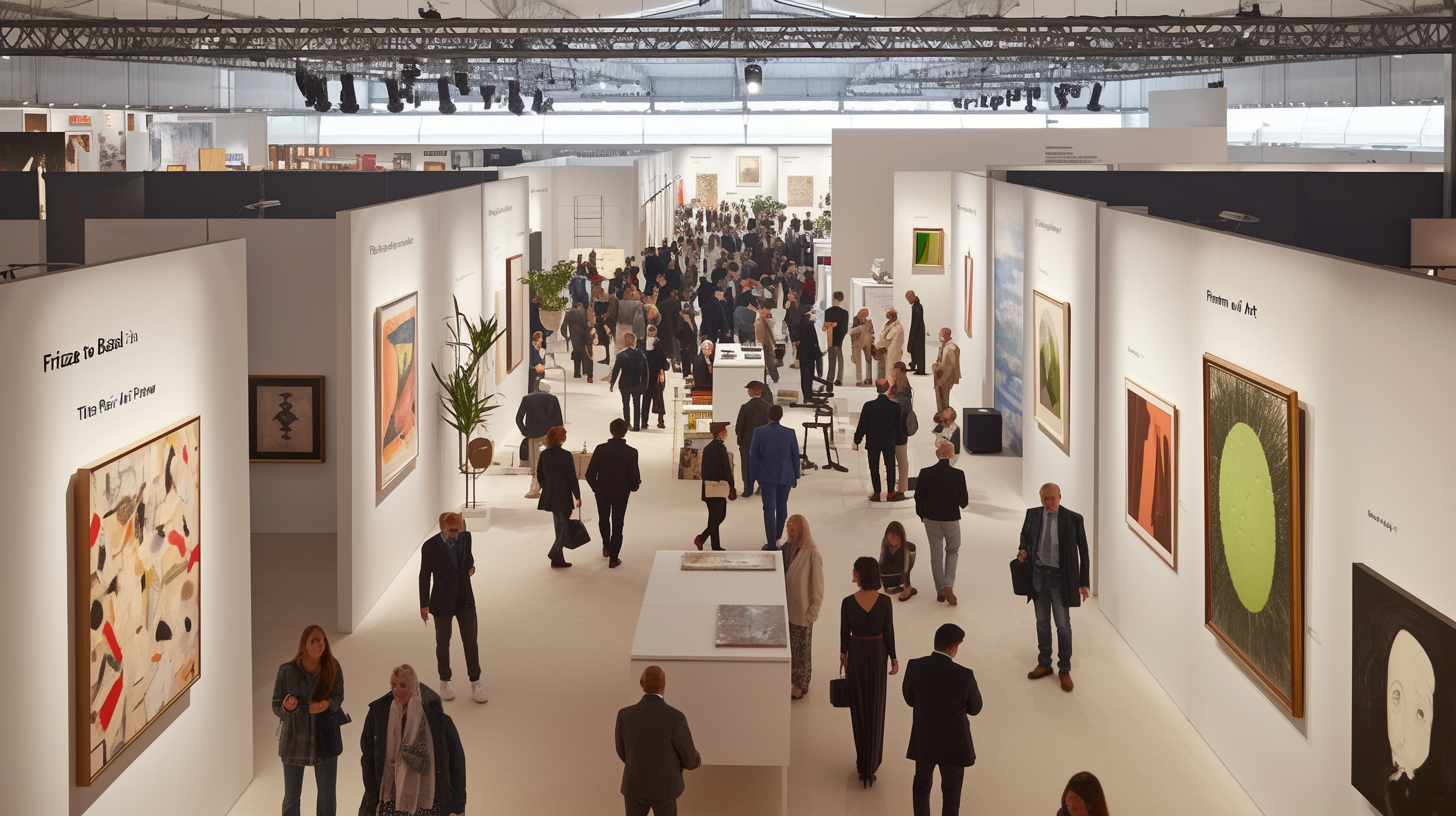
Analyzing Key Points:
- Frieze London and Art Basel Paris are two major art fairs, and galleries are hoping for success in both.
- London’s art scene has been seen as declining while Paris’s market is on the rise.
- Auction sales in London have decreased, while Paris has seen an increase.
- Art fairs are not always correlated with auction results.
- Art Basel Paris has moved to the bigger Grand Palais and has more exhibitors this year.
- American collectors are expected to make a strong showing at Art Basel Paris.
- Paris’s elegance and cultural history may attract a different type of collector.
- Paris and London should be seen as complementary rather than competing in the art market.
- Galleries participate in multiple fairs to showcase their artists’ work and make new connections.
- New initiatives at Art Basel Paris include the “Premise” sector and “Oh La La!” showcasing rarely seen work.
- Big galleries are given prominence at Art Basel Paris.
- Galleries are showcasing exceptional works by well-known artists at the fair.
Potential Future Trends in the Art Industry
The art industry is in a constant state of evolution, and future trends can have a significant impact on how artists, galleries, collectors, and art enthusiasts engage with the art market. Based on the key points of the text, there are several potential future trends that are worth exploring.
1. Shifting Market Dynamics: Paris vs. London
The comparison between London and Paris as art capitals highlights an intriguing shift in market dynamics. While London has been seen as a dominant force in the art world, with its multiculturalism and vibrant art scene, Paris is gaining momentum and attracting collectors with its elegance and deep-rooted cultural history. This trend suggests that the art market may become more decentralized, with multiple cities playing significant roles in the global art scene.
2. Uncertainty in Auction Sales
The discrepancy between auction sales and art fair success raises questions about the reliability of using auction results to forecast the performance of art fairs. This uncertainty can create challenges for galleries and collectors in evaluating the market and making informed decisions. In the future, there may be a need for alternative indicators or metrics to assess the potential success of art fairs and the overall health of the art market.
3. Growing Influence of American Collectors
The presence of American collectors at Frieze London and their anticipation for Art Basel Paris suggests a growing influence of American collectors in the global art market. With significant buying power, American collectors have the potential to shape market trends and drive demand for particular artists or artworks. As the art market becomes increasingly globalized, it is important for galleries and artists to consider strategies to attract and engage American collectors.
4. Complementary Nature of Art Capitals
The idea that Paris and London should be seen as complementary rather than competing art capitals signifies a shift in thinking within the industry. Instead of viewing cities as rivals, the recognition of their unique offerings and value creates opportunities for collaboration and cross-pollination. In the future, fostering these partnerships and embracing the diversity of art capitals can lead to a more inclusive and interconnected art market.
5. Emphasis on Exceptional and Rare Artworks
The inclusion of initiatives like the “Premise” sector and “Oh La La!” at Art Basel Paris highlights a potential future trend in the art market, where there is an increased emphasis on showcasing exceptional and rarely seen artworks. Galleries are recognizing the potential of featuring unique pieces to attract collectors and create memorable experiences. This trend can drive the creation of curated exhibitions and events that offer a more exclusive and curated experience for art enthusiasts.
Predictions and Recommendations for the Industry
Based on the identified trends, here are some predictions and recommendations for the art industry:
1. Collaborative Partnerships
Given the complementary nature of art capitals, galleries and art institutions should seek opportunities for collaborative partnerships to promote artists and cross-cultural exchanges. Organizing joint exhibitions and artist residencies can help foster dialogue and create a more interconnected art ecosystem.
2. Diversify Collector Engagement Strategies
Galleries must recognize the growing influence of American collectors and develop targeted strategies to engage and attract this demographic. This may include participating in American art fairs, establishing partnerships with American galleries, or leveraging digital platforms to reach a wider audience in the United States.
3. Rethinking Market Evaluation Metrics
The reliance on auction sales as a measure of market health should be reevaluated. Alternative metrics, such as art fair attendance and engagement, social media presence, and artist representation in prestigious exhibitions, can provide a more comprehensive understanding of market dynamics and potential success of art fairs.
4. Curated Experiences for Collectors
Galleries should consider curating exceptional and rare artworks for exhibitions or art fair presentations. This can create a sense of exclusivity and attract collectors who are seeking unique pieces. Additionally, organizing events and collaborations with other cultural institutions can enhance the collector experience and create memorable moments.
5. Supporting Emerging Artists
While established artists and big galleries garner significant attention, it is crucial to support and promote emerging artists. Art fairs and galleries should allocate space and resources to showcase the works of emerging talents, providing them with exposure and creating opportunities for growth. By nurturing the next generation of artists, the art industry can ensure its continued vitality and relevance.
Conclusion
The future trends in the art industry, as evidenced by the key points in the text, are characterized by shifts in market dynamics, the influence of American collectors, and the recognition of complementary art capitals. To thrive in this evolving landscape, the industry must embrace collaboration, diverse engagement strategies, and curated experiences while supporting emerging artists. By doing so, the art industry can navigate the changing tides and create a more inclusive and vibrant art market.
References:
- Adler, L. (2021, September 12). What to Expect From Art Basel Paris in September 2021. ARTnews. https://www.artnews.com/art-news/market/art-basel-paris-2021-1234570829/
- Shaw, A. (2021, October 15). Can Paris Take Over From London as the Centre of the European Art World? Galerie Magazine. https://www.galeriemagazine.com/can-paris-take-over-london-as-european-art-centre/?utm_medium=social&utm_source=twitter
- Moore, A. (2021, October 18). Has Paris Become Europe’s Art Capital? The Financial Times. https://www.ft.com/content/d64474ec-cb78-46a4-95b6-1d837c8c14fa
- Searle, A. (2021, October 22). How Art’s Most Powerful Dealers, Collectors Ascend From Art Basel to Tattoo A-Lister Parties. Artnet News. https://news.artnet.com/opinion/art-world-week-art-basel-2021-2044111