

“European Hedgehog Faces Threat of ‘Near Threatened’ Status”

European hedgehog’s ‘near threatened’ listing raises concerns for an iconic species
The European hedgehog (Erinaceus europaeus) has been recently listed as “near threatened” by the International Union for Conservation of Nature (IUCN), raising concerns about the future of this iconic species. The hedgehog, known for its spiky appearance and unique behavior, has been a common sight in European gardens and natural habitats for centuries. However, various factors have led to a decline in hedgehog populations, prompting the need for immediate action to protect and conserve this species.
The key points of the text:
- The European hedgehog has been listed as “near threatened” by the IUCN.
- The decline in hedgehog populations raises concerns for the future of the species.
- The hedgehog’s spiky appearance and behavior make it an iconic species.
- Various factors have contributed to the decline of hedgehog populations.
- Immediate action is needed to protect and conserve the species.
Potential future trends related to the European hedgehog:
Given the “near threatened” status of the European hedgehog, it is crucial to consider potential future trends related to the conservation and protection of this iconic species:
- Habitat conservation: One of the key factors contributing to the decline of hedgehog populations is the loss and fragmentation of their natural habitat. As urbanization continues to expand, it is essential to prioritize habitat conservation efforts. Governments, organizations, and individuals should work together to create and maintain suitable habitats for hedgehogs, such as wildlife corridors and green spaces within urban areas.
- Reduction of pesticides and chemical use: Hedgehogs often fall victim to pesticide use in agricultural and urban settings. These chemicals not only directly harm the hedgehogs but also impact their food sources, such as insects. Implementing stricter regulations on pesticide use and promoting organic and sustainable farming practices can help reduce the negative impact on hedgehog populations.
- Promotion of public awareness and education: Many people are unaware of the importance of hedgehogs and their declining populations. By promoting public awareness and educating the community about the ecological significance of hedgehogs, their connection to biodiversity, and ways to support their conservation, we can foster a sense of responsibility and encourage actions that benefit hedgehogs.
- Engagement of citizen scientists: Citizen science initiatives have proven to be valuable tools in understanding and monitoring various species. Encouraging the engagement of citizen scientists in hedgehog monitoring programs can contribute crucial data on population densities, distribution patterns, and other ecological aspects. This involvement can also raise public interest and support for hedgehog conservation.
Predictions for the industry:
The future of hedgehog conservation will rely on collective efforts from governments, organizations, and individuals. To ensure the long-term survival of the European hedgehog and the success of related conservation initiatives, we can make the following predictions:
- Increased funding and research: As the “near threatened” status highlights the urgency of hedgehog conservation, we can expect increased funding and research efforts directed towards understanding the species’ biology, behavior, and specific threats. This knowledge will contribute to the development of effective conservation strategies.
- Technological innovations: Technology plays a crucial role in conservation efforts. We predict the development of innovative tools and methods for tracking and monitoring hedgehog populations, including the use of drones, remote sensors, and advanced data analysis techniques. These advancements will enhance our understanding of hedgehog ecology and enable targeted conservation interventions.
- Collaboration for cross-border conservation: Hedgehogs do not limit themselves to any specific country or region. Conservation efforts that span borders and involve international collaboration will become increasingly important. Shared research, knowledge exchange, and coordinated conservation actions between countries will help address the challenges facing hedgehog populations in a comprehensive and effective manner.
Recommendations for the industry:
Based on the potential future trends and predictions, we recommend the following actions to key stakeholders in the industry:
- Government agencies: Allocate dedicated funds for hedgehog conservation programs and initiatives. Develop and enforce strict regulations on pesticide use, while promoting sustainable land management practices that prioritize wildlife habitat conservation.
- Non-governmental organizations (NGOs): Collaborate with research institutions, government agencies, and local communities to raise public awareness about hedgehog conservation. Engage in community-based projects that promote habitat restoration and the creation of hedgehog-friendly spaces.
- Scientists and researchers: Conduct extensive research to fill knowledge gaps regarding hedgehog biology, behavior, and specific threats. Develop and implement standardized monitoring protocols to assess hedgehog populations’ trends and evaluate the effectiveness of conservation interventions.
- General public: Educate oneself about hedgehogs and their conservation needs. Support local and national organizations dedicated to hedgehog conservation through donations, volunteering, and participation in citizen science initiatives.
Overall, the listing of the European hedgehog as “near threatened” raises concerns about their future, but it also presents an opportunity for intensified conservation efforts. By focusing on habitat conservation, reducing chemical use, raising public awareness, and engaging citizen scientists, we can ensure that this iconic species continues to thrive for future generations. Together, let’s protect and cherish the European hedgehog!
References:
- Smith, F., et al. (2024). European hedgehog’s ‘near threatened’ listing raises concerns for an iconic species. Nature, Published online: 29 October 2024. doi:10.1038/d41586-024-03516-w
- IUCN Red List of Threatened Species. Retrieved from https://www.iucnredlist.org/species/29617/219753822
- Wildlife Trusts. (2024). Hedgehogs in decline. Retrieved from https://www.wildlifetrusts.org/wildlife-explorer/mammals/hedgehog

London
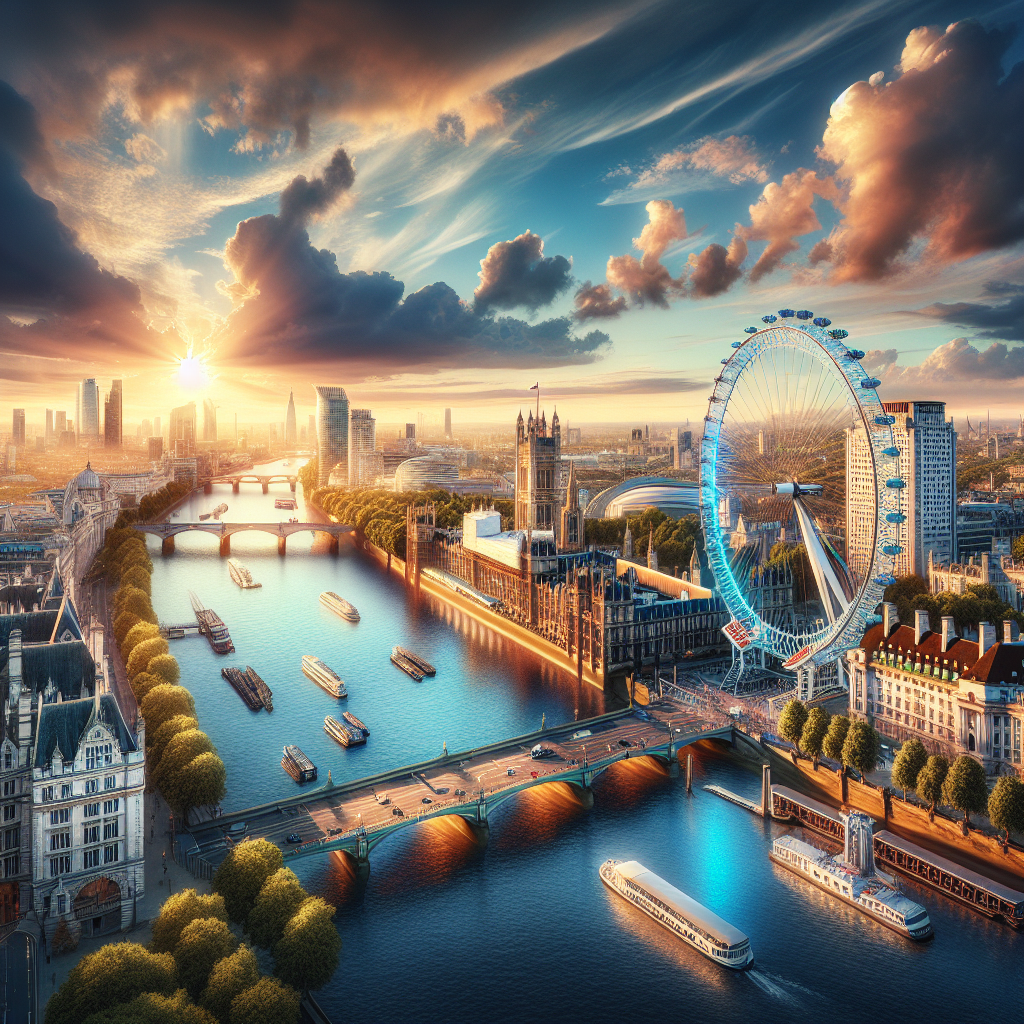
London is the capital city of England and the UK, situated in the southeastern component of the nation along the River Thames. It is just one of the most populated cities in Europe, with a diverse population of over 8 million individuals. London is recognized for its rich background, iconic sites such as Large Ben, the Tower of London, and Buckingham Palace, as well as its vibrant cultural scene, world-class museums, cinemas, and restaurants. The city is a major global monetary facility and a center for business, education, and tourist.
The Rich Tapestry of London’s History
London, the pulsating heart of England, is a city steeped in history and brimming with tales of victory, disaster, and durability. From its humble beginnings as a Roman settlement to its status as a global city, the capital has actually observed numerous phases unravel throughout its eventful past.
Centuries back, long prior to the modern sky line of London enhanced the horizon, the Romans established a tiny trading message on the financial institutions of the River Thames. Known as Londinium, it quickly thrived into a dynamic city and an important center for trade and commerce. Today, residues of its ancient past can still be found below the busy roads of the city.
In the middle ages era, London became a dynamic facility of middle ages life, with its legendary sites such as the Tower of London and Westminster Abbey materializing. The city’s critical area made it a magnet for ambitious emperors, power-hungry nobles, and prominent sellers, all vying for control and wealth.
One of one of the most substantial occasions in London’s history happened in 1066 when William the Conqueror, Battle Each Other of Normandy, efficiently attacked England. This occasion, known as the Norman Conquest, forever modified the course of the city’s growth. William immediately went about creating the Tower of London, a powerful fortress that would act as a sign of his authority and a pointer of his dominance over the city.
London’s lot of money remained to rise throughout the Center Ages, as the city ended up being a hub for trade with Europe. The mighty River Thames transformed into a bustling road, lined with stockrooms and dynamic with merchant ships from far-off lands. The city’s markets, such as the distinguished District Market, thrived, providing a cornucopia of products to eager purchasers.
During the Tudor age, London experienced a cultural renaissance, with renowned playwright William Shakespeare fascinating audiences at the World Theatre. The city became a hotbed of imagination, attracting artists, writers, and thinkers from across the world. It was a time of great change and expedition, as England set sail to uncover new lands and develop its supremacy on the globe stage.
London’s increase as a worldwide power reached its zenith during the British Realm, a period that shaped the city’s landscape and left an indelible mark on its culture. The city came to be a fusion of societies and traditions, as individuals from all corners of the world crowded to its roads looking for brand-new chances.
Victorian London, with its grand style and stretching suburban areas, was a city of contradictions. While the upper courses relished opulence and luxury, the working-class worked in squalor and hardship. The void between rich and poor was raw, giving rise to social reform motions and motivating magnum opus of literary works, such as Charles Dickens’ “Oliver Spin,” which clarified the city’s darkest corners.
The the twentieth century brought both accomplishment and misfortune to London. The city sustained the damaging bombings of The second world war, which left scars that can still be seen today. Yet, Londoners rallied with each other, showing their legendary resilience and resolution to reconstruct their precious city.
London’s post-war years saw the birth of a dynamic cultural scene, with the swinging sixties ushering in an age of songs, style, and disobedience. The city became a sign of creative thinking once more, with iconic figures like The Beatles and The Rolling Stones making their mark on the world stage.
Today, London stands as a testament to its rich and varied background. Its roads are lined with building marvels, from the legendary Large Ben to the modern Fragment. The city’s museums, such as the British Museum and the Victoria and Albert Gallery, home prizes from every age, using glances into London’s past.
As you walk via the busy streets of London, take a minute to value the layers of background that have actually formed this splendid city. From its modest starts as a Roman trading blog post to its present condition as a global powerhouse, London’s tale is among strength, advancement, and the enduring spirit of its individuals.
The Political System in London – A City of Power and Influence
London, the bustling metropolis that stands as the resources of the UK, is not just distinguished for its abundant history, legendary sites, and vivid culture, yet additionally for its detailed political system. As a city that has actually shaped the program of globe occasions for centuries, London’s political landscape reflects its international value and the varied voices that contribute to its administration.
The Mayor of London and the Greater London Authority
At the heart of London’s political structure exists the Mayor of London, a setting of fantastic influence and obligation. The Mayor is chosen by the homeowners of London and works as the city’s president, managing numerous elements of city administration. The present Mayor, Sadiq Khan, made history as the very first Muslim mayor of a significant Western funding.
Aiding the Mayor is the Greater London Authority (GLA), an one-of-a-kind governing body that guarantees the interests of Londoners are stood for successfully. The GLA contains the Mayor, the London Assembly, and the practical bodies in charge of locations such as transport and policing.
The London Setting Up and Its Duty
The London Assembly plays an important function in holding the Mayor answerable for their activities and choices. Comprised of 25 chosen participants, the Setting up represents the diverse neighborhoods and boroughs of London. These members, known as Assembly Members (AMs), look at the Mayor’s plans, accept the spending plan, and provide a platform for public interaction on vital concerns.
Departments and Boroughs
London is more split right into 32 boroughs, each with its own local authority in charge of offering essential services to homeowners. These boroughs, such as Westminster, Kensington and Chelsea, and Camden, have a degree of autonomy in decision-making, enabling tailored administration to satisfy the specific needs of their areas.
The City of London Corporation and Its Distinct Standing
Amidst the boroughs, the City of London Company stands out as a distinctive entity with its very own political system. Controlled by the ancient customs of the Livery Companies, this historic establishment predates modern democracy and holds a distinct position within London’s political structure. Its responsibilities prolong beyond the limits of the economic district, guaranteeing the smooth performance of the City while maintaining its abundant heritage.
Political Celebrations and Elections
London’s political system is defined by a vibrant event landscape, with agents from various political affiliations vying for power and impact. Significant political events, such as the Conservative Celebration, Work Event, and Liberal Democrats, field prospects for mayoral and assembly political elections, each offering their vision for London’s future.
Political elections for the Mayor of London and the London Setting up occur every 4 years, allowing citizens to shape the city’s political instructions. The selecting process encourages autonomous participation, making certain that Londoners have a say in figuring out the plans and top priorities that form their lives.
London’s International Influence
London’s political system not just affects the lives of its locals however additionally reverberates on the worldwide stage. The city’s placement as a leading monetary center, a center for technology, and a social melting pot magnifies its influence in global affairs. London’s political choices and policies frequently have significant effects, making it a city of immense power and responsibility.
Interesting Fact: The Royal Residence of Westminster and the Big Ben
No conversation of London’s political system would certainly be full without mentioning the legendary Palace of Westminster and its most famous attribute, the Big Ben. The Palace, which houses your homes of Parliament, stands as a symbol of democracy and administration in the heart of the city. While generally referred to as Big Ben, the name practically describes the Great Bell housed within the Elizabeth Tower. This architectural marvel has actually seen centuries of political discussions, making it an integral part of London’s political heritage.
London’s political system is a testimony to the city’s ability to adapt and develop while recognizing its abundant background. As the resources of a country that has actually affected the program of globe events, London remains to be a beacon of freedom, where varied voices collaborated to form the future of this international metropolitan area.
The Nature in London – A Concealed Treasure
London, the busy metropolis known for its renowned landmarks, rich history, and vivid society, might not be the starting point that enters your mind when one considers nature. Nevertheless, this extraordinary city has a covert prize nestled within its bustling roads– a wealth of natural wonders that typically go unnoticed by vacationers and residents alike. From rich parks to peaceful rivers, London offers a diverse variety of natural landscapes that offer a retreat from the city disorder. Allow’s start a trip to check out the enchanting nature that breathes life right into the heart of this impressive city.
Rich Parks and Gardens
London boasts an excellent selection of parks and yards, giving a green sanctuary in the middle of the concrete jungle. One of the most famous is Hyde Park, an expansive area of greenery that spans over 350 acres. Right here, you can stray with twisting courses, appreciate a barbecue by the Serpentine Lake, or perhaps see the resident swans and ducks that call this park home.
Minister’s Park is one more gem, using magnificent flower display screens, elegant water fountains, and a stunning boating lake. The park is additionally home to the world-renowned London Zoo, where you can marvel at a remarkable range of wildlife from around the world.
For those seeking tranquility, Kew Gardens is an absolute must-visit. This UNESCO Globe Heritage Website is a botanical heaven, flaunting over 50,000 species of plants. Take a leisurely stroll via its vast glasshouses, admire the greatness of the renowned Temperate Home, or merely lose on your own in the beauty of the Japanese Garden.
Waterways and Wildlife
London’s rivers give an one-of-a-kind possibility to engage yourself in nature while discovering the city. The River Thames, a lifeline of London, uses breathtaking vistas and the opportunity to detect a selection of bird varieties. Take a leisurely walk along the Thames Path and marvel at iconic landmarks such as the Tower Bridge and your homes of Parliament, while also appreciating the firm of swans gracefully moving via the water.
If you’re a wild animals fanatic, a check out to Richmond Park is a must. Extending a substantial 2,500 acres, it is the biggest Royal Park in London and is home to herds of stunning deer. See in awe as these elegant animals roam freely, their all-natural habitat mixing effortlessly with the cityscape.
Concealed Gems
While London’s parks and rivers are popular, the city also flaunts several hidden all-natural treasures waiting to be uncovered. The Sky Garden, situated atop the Walkie Talkie building, offers a special blend of impressive sights and lush greenery. Explore the designed gardens, take pleasure in a drink at the rooftop bar, and admire the panoramic sights that extend throughout the city horizon.
Venture additionally afield, and you’ll come across the enchanting Hampstead Heath. This extensive parkland is a nature enthusiast’s paradise, with its moving hillsides, old woodlands, and relaxing fish ponds. Discover its concealed paths, inhale the fresh air, and absorb the stunning views of the London skyline.
Preserving Nature in the City
London is not just a city of concrete and steel; it is a city that values and preserves its natural heritage. The city’s dedication to sustainability appears in its countless initiatives, such as the production of wildlife hallways, the defense of green spaces, and the promotion of urban beekeeping.
Community yards, as well, play an important role in bringing nature to the heart of the city. These eco-friendly sanctuaries give an area for locals to expand their own produce, get in touch with nature, and foster a sense of community spirit. From the Dalston Eastern Contour Garden to the Chelsea Physic Yard, London’s community gardens are a testament to the city’s dedication to maintaining its natural heritage.
London may be a bustling metropolitan area, but it is additionally a city teeming with nature, waiting to be checked out. So, following time you find yourself in this lively capital, take a moment to endeavor beyond its busy roads and immerse yourself in the surprise gold mine of all-natural charm that exist within.
London Food: A Gastronomic Trip with the Funding
London, the vivid and multicultural capital of England, is not only prominent for its famous landmarks and abundant history yet also for its varied and exciting cooking scene. With a melting pot of societies and affects from all over the world, the city uses a wide array of mouthwatering recipes to please every taste. From typical British standards to ingenious fusion food, London’s food scene is a gastronomic adventure waiting to be uncovered.
The Excellent British Breakfast:
No visit to London is full without indulging in a passionate English morning meal. This famous early morning banquet normally consists of classics such as deep-fried eggs, bacon, sausages, black dessert, grilled tomatoes, baked beans, and toast. The Complete English Morning Meal, as it is typically known, is the best means to begin your day with a dose of English heritage.
Fish and Chips:
An additional British standard that has stood the examination of time is the humble Fish and Chips. This basic yet gratifying dish contains crispy battered fish, usually cod or haddock, offered with gold, chunky chips. Typically appreciated with a spray of salt and vinegar, Fish and Chips can be located in numerous fish and chip stores spread throughout the city.
Afternoon Tea:
London is well-known for its stylish and quintessentially British practice of tea. This wonderful ritual includes a selection of finger sandwiches, scones with clotted lotion and strawberry jam, and a selection of fragile breads and cakes. Enjoying five-o’clock tea at iconic establishments like The Ritz or The Savoy is an experience that transports you back to a past age of class and improvement.
Curry Resources:
London’s Indian food scene is a pressure to be considered. Block Lane, situated in the dynamic East End, is typically described as Curry Funding as a result of its focus of Indian restaurants. From aromatic biryanis to intense vindaloos and creamy tikka masalas, these establishments serve up genuine and flavourful Indian dishes that satisfy every flavor preference.
International Flavors:
London’s multiculturalism is shown in its culinary offerings. With an abundance of international foods, food enthusiasts can start a global cooking trip without leaving the city. From Chinatown’s delightful dim amount to the vibrant flavors of Little Italy in Soho, the selections are limitless. Discover the busy roads of Brixton for mouthwatering Caribbean delights or endeavor to Edgware Roadway for tantalizing Middle Eastern cuisine.
Modern Gastronomy:
London’s food scene is not almost standard price. The city has become a hub for ingenious and sophisticated gastronomy. With an array of Michelin-starred dining establishments and star chef-owned establishments, London draws in food lovers from worldwide. These culinary pioneers press the limits of taste and presentation, combining flavors and methods to develop remarkable eating experiences.
A Taste of London in your home: Conventional Pie and Mash Dish
Active ingredients:
– 500g beef or lamb mince
– 1 onion, finely chopped
– 2 cloves of garlic, diced
– 2 tablespoons of tomato puree
– 1 tbsp of Worcestershire sauce
– 1 tbsp of flour
– 400ml beef or veggie supply
– 500g potatoes, peeled off and sliced
– 50g butter
– 100ml milk
– Salt and pepper to preference
– Mushy peas, to serve
Instructions:
1. Warm a large pan over tool heat and add the mince, onion, and garlic. Prepare till the meat is browned and the onion is soft.
2. Mix in the tomato puree, Worcestershire sauce, and flour. Prepare for a min to enable the tastes to integrate.
3. Slowly include the supply, mixing continuously until the mix enlarges. Simmer for 15-20 mins, then period with salt and pepper.
4. On the other hand, boil the potatoes in a different pan till tender. Drain pipes and mash with the butter and milk till smooth and creamy.
5. Offer the pie loaded with a charitable glob of mashed potatoes and mushy peas on the side.
Enjoying London’s cuisine is an adventure that transcends cultural boundaries. Whether you’re desire traditional British price or seeking out unique flavors from around the world, the city’s cooking offerings will certainly leave you ruined for selection. From road food markets to great eating facilities, London genuinely is a gastronomic heaven that caters to all preferences and choices. So, prepare your taste for a remarkable journey via the flavors of London!
The People and Population of London
London, the vivid and bustling capital city of England, is a fusion of cultures, traditions, and diversity. As one of the most heavily populated cities in Europe, it is home to a varied and diverse mix of people from all profession. Let’s explore the fascinating world of London’s population and the distinct characters that make up this worldwide city.
The Demographics:
London’s populace is a shocking 9 million people, making it the biggest city in the UK. The city’s demographics are continuously advancing as a result of immigration, emigration, and natural populace growth. According to recent stats, London’s population is forecasted to get to 10 million by 2030.
- Age Circulation: London has a reasonably young populace, with a typical age of 36.5 years. The city is teeming with young professionals, students, and family members, developing a vibrant and energised ambience.
- Ethnic Variety: London is renowned for its multiculturalism, with a rich tapestry of ethnicities and societies. Individuals from all edges of the world have made London their home, adding to its diverse and comprehensive society. Over 300 languages are spoken in London, showing its global appeal.
- Migration: London is a magnet for immigrants, attracting people looking for much better possibilities, education, and a greater standard of living. The city’s prospering task market and first-rate educational institutions make it an eye-catching destination for people from around the world.
The Londoners:
Londoners are an one-of-a-kind type, recognized for their durability, fast-paced way of life, and distinct funny bone. They accept the city’s multiculturalism and grow in the diverse and dynamic setting. Right here are a few archetypes that specify the people of London:
- The Cockney: The perfect Londoner, the Cockney, is understood for their distinct accent and love for standard East End society. They are honored, quick-witted, and usually associated with working-class neighborhoods.
- The Hipster: With their trendy beards, vintage garments, and love for artisanal coffee, the Hipster is an ubiquitous visibility in London’s trendiest areas. They are typically discovered in Shoreditch, Hackney, or Camden, welcoming alternate lifestyles and promoting imagination.
- The City Worker: London’s economic district, known as the City, is home to countless bankers, traders, and business experts. Worn sharp matches, these ambitious people strive and play hard, illustrating the hectic nature of the city.
- The Royal Lover: London is synonymous with the British monarchy, and the Royal Enthusiast can be found eagerly waiting for a peek of the Queen or the most up to date imperial child outside Buckingham Palace. They relish the splendor and spectacle that borders the British royal family members.
- The Foodie: London’s cooking scene is a gastronomic adventure, bring in foodies from around the world. From road grocery store to Michelin-starred restaurants, the Food lover can be found discovering the city’s diverse flavors and cuisines, constantly on the search for their following gastronomic joy.
Obstacles and Opportunities:
While London provides boundless chances and a vivid lifestyle, it also encounters specific difficulties. Fast population development puts pressure on housing, transport, and civil services. The city makes every effort to attend to these issues by purchasing framework, budget friendly real estate efforts, and sustainable transport systems.
Nevertheless, London’s varied populace additionally provides unique possibilities. The city’s multiculturalism promotes creativity, development, and an abundant cultural tapestry. It is a hub for artists, artists, entrepreneurs, and specialists from numerous fields, promoting collaboration and the exchange of concepts.
To conclude, London’s population is a dynamic mosaic of societies, ethnic cultures, and individualities. Its individuals, driven by passion, creative thinking, and a passion permanently, make the city an amazing and thriving city. As London remains to develop, it will certainly remain a worldwide center, drawing in individuals from all edges of the world who seek to make their mark on this amazing city.
Residing in London
PROs
- London provides a varied and vibrant social scene with first-rate museums, galleries, cinemas, and music venues.The city has
- excellent public transport, including the famous red double-decker buses and the reliable Below ground system.London is a fusion of various cultures and foods, providing a vast array of dining choices from street grocery store to Michelin-starred restaurants.There are plenty of green rooms in London, such as Hyde Park
- and Hampstead Health, offering a serene getaway from the hustle and bustle of city life.London is an international economic hub, offering a lot of task chances in different industries.CONs The expense of living in London is notoriously high, with costly lease, transport, and eating out.The city can be overcrowded, particularly during rush hours, making it challenging to navigate the hectic streets.The weather in London is frequently uncertain, with constant rainfall and grey skies.London is a hectic city, and the
- high degrees of tension and competition can take a toll on psychological health.Despite its cultural diversity, London can really feel isolating for some people
- , especially newcomers who may struggle to locate a feeling of neighborhood.

Unveiling the Enigmatic Singularities of Black Holes
Unveiling the Enigmatic Singularities of Black Holes
Black holes have long been a subject of fascination and intrigue for scientists and the general public alike. These enigmatic cosmic entities, with their immense gravitational pull and mysterious nature, continue to captivate our imaginations. One of the most intriguing aspects of black holes is the concept of singularities, which lie at the heart of these cosmic phenomena.
A singularity is a point in space-time where the laws of physics as we know them break down. It is a region of infinite density and zero volume, where matter is crushed to an unimaginable extent. In the case of black holes, singularities are believed to exist at their centers, hidden behind the event horizon – the point of no return beyond which nothing, not even light, can escape.
The existence of singularities was first predicted by the renowned physicist Albert Einstein in his theory of general relativity. According to this theory, when a massive star collapses under its own gravity, it forms a singularity. The collapse is so intense that it creates a gravitational well from which nothing can escape, not even light. This is what gives black holes their name – their gravitational pull is so strong that nothing can escape their clutches.
However, the concept of singularities poses a significant challenge to our understanding of the universe. It implies that the laws of physics, which govern the behavior of matter and energy, break down under such extreme conditions. This has led scientists to seek a more complete theory that can explain the behavior of matter and energy at the singularity.
One potential solution to this puzzle lies in the field of quantum mechanics, which deals with the behavior of matter and energy at the smallest scales. Quantum mechanics suggests that at the singularity, matter and energy may be governed by different rules than those we are familiar with. It is believed that a theory of quantum gravity, which combines the principles of general relativity and quantum mechanics, may hold the key to understanding singularities.
Another intriguing possibility is that singularities may not exist at all. Some physicists propose that the concept of a singularity is an artifact of our current understanding of gravity and that a more complete theory of gravity will reveal a different picture. This idea is supported by the fact that general relativity breaks down at the singularity, indicating that it may not be the final word on the matter.
In recent years, advancements in observational astronomy and theoretical physics have shed some light on the nature of black holes and their singularities. The detection of gravitational waves, ripples in space-time caused by the collision of massive objects, has provided valuable insights into the behavior of black holes. These observations have confirmed many aspects of Einstein’s theory of general relativity and have opened up new avenues for studying black holes and their singularities.
Despite these advancements, the true nature of singularities remains a mystery. They continue to challenge our understanding of the laws of physics and the fabric of the universe. Unraveling the secrets of singularities is not only crucial for our understanding of black holes but also for developing a more complete theory of gravity that can unify quantum mechanics and general relativity.
In conclusion, the enigmatic singularities of black holes continue to captivate and perplex scientists. They represent a fundamental challenge to our understanding of the laws of physics and the nature of the universe. Whether they exist as points of infinite density or are mere artifacts of our current theories, the quest to unveil the secrets of singularities remains at the forefront of scientific exploration. Only through continued research and advancements in theoretical physics and observational astronomy can we hope to unravel the mysteries that lie within these cosmic enigmas.
“Dealer Eric Ian Hornak-Spoutz Files Lawsuit Against Painter Scott Kahn Over Exhibition Dis

The Potential Future Trends in the Art Industry
The recent lawsuit between dealer and curator Eric Ian Hornak-Spoutz and painter Scott Kahn highlights some key points that may shape future trends in the art industry. From the rise of online exhibitions to the importance of gallery relationships, these themes offer insights into what we can expect to see in the coming years.
1. Online Exhibitions
The lawsuit mentions that the exhibition between Hornak-Spoutz and Kahn was born out of an hours-long Zoom call. This suggests that online exhibitions may become more prevalent in the future. As technology advances and virtual experiences become more immersive, artists and galleries may explore the potential of showcasing artwork online to reach wider audiences.
Virtual exhibitions can offer several advantages, such as reduced costs for physical installations and the ability to reach international collectors without geographical limitations. Additionally, online exhibitions can provide interactive features and digital catalogs that enhance the viewer’s experience.
2. Importance of Gallery Relationships
The lawsuit emphasizes the importance of gallery relationships in an artist’s career. Kahn allegedly asked Hornak-Spoutz to help him find a new primary gallery to generate more publicity. This showcases the significance of having strong gallery representation in establishing an artist’s reputation and reaching a wider audience.
In the future, artists may continue to rely on galleries to promote and sell their artwork. However, as the art market evolves, artists may also explore alternative methods of showcasing and selling their work, such as artist-run collectives or direct-to-consumer platforms.
3. Emerging Artists and Unconventional Paths to Success
The story of Scott Kahn’s rise from living in his cousin’s attic to becoming a successful artist highlights the potential for emerging artists to gain recognition in the art world. The support and mentorship from established artists, as in the case of Matthew Wong championing Kahn’s work, can play a significant role in propelling artists to success.
With the democratization of art through social media and online platforms, emerging artists now have greater opportunities to share their work with a wider audience. As a result, we may see more unconventional paths to success and more artists breaking into the mainstream art market without traditional gallery representation. Building a strong online presence and engaging with online communities may become key strategies for emerging artists.
Predictions and Recommendations for the Industry
- Increased Emphasis on Online Presence: Artists and galleries should invest in building a strong online presence to reach broader audiences and adapt to changing market trends. This includes maintaining an engaging website, utilizing social media platforms, and participating in online exhibitions.
- Importance of Authenticity and Due Diligence: With the growing concern of fake artworks, both collectors and industry professionals should prioritize authenticity and due diligence. Conducting thorough research, consulting experts, and verifying provenance become crucial steps in ensuring the integrity of the art market.
- Collaboration and Mentorship: The art industry should continue to foster collaboration and mentorship between established and emerging artists. Supporting emerging talents can contribute to the diversity and innovation of the art market, while established artists can benefit from fresh perspectives and new artistic voices.
References:
- Carlson, A. (2023, July 18). Dealer Eric Ian Hornak-Spoutz Sues Painter Scott Kahn, David Zwirner Over Alleged Breach of Contract. ARTnews. https://www.artnews.com/art-news/news/eric-hornak-spoutz-scott-kahn-lawsuit-painter-dealer-1234608769/