

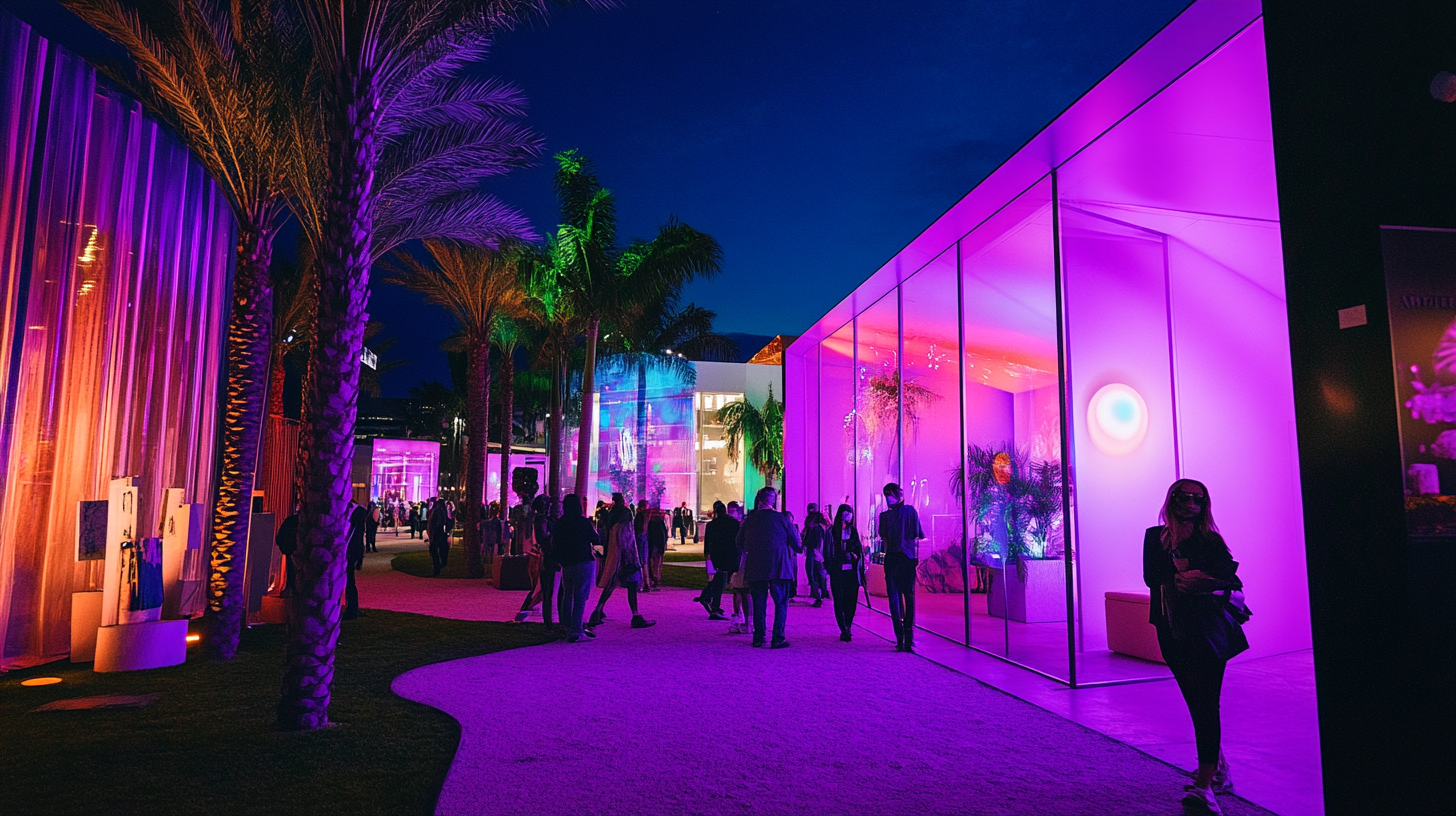
Potential Future Trends in the Art Market Emerging from Miami Art Week
Miami Art Week, which includes the renowned Art Basel fair, has become a significant event in the art world since its inception in 2002. Collectors from around the globe flock to Miami to explore its vibrant art scene and make important acquisitions. This year, despite the lingering effects of the pandemic, Miami Art Week demonstrated a strong recovery with robust sales and an optimistic atmosphere. These developments suggest potential future trends in the art market that may shape the industry in the coming years.
Increased Focus on Latin American Artists
One notable trend emerging from Miami Art Week is the increased focus on Latin American artists. Nydia Gaynor, a Florida-based collector, emphasized the fair’s ability to showcase a vast number of Latin American artists and galleries in one space. There is a growing interest in exploring new artists from this region, which is supported by strong sales at Art Basel. This trend is likely to continue as collectors recognize the artistic and cultural value of Latin American art.
Diversification of Art Market Participants
Another trend observed during Miami Art Week is the diversification of art market participants. Mid-sized galleries, such as Lisson Gallery and Xavier Hufkens, reported significant sales, suggesting that smaller players in the art market are gaining traction. Additionally, new collectors from South Korea and other parts of the world are entering the market, shifting the dynamics of art collecting. This diversification is likely to lead to more varied tastes and a broader range of artists gaining recognition.
Stabilization of Contemporary Art Prices
Art advisor Michele Quinn noted that the prices of contemporary artists are getting back to reality after a minor correction. Although prices for emerging artists experienced a drop in recent years, there has not been a significant decline similar to what was observed during the 2008 financial crisis. Quinn also highlighted the return to showing works by artists from the sixties, which offer more stable prices. This suggests that the market is seeking a balance between supporting emerging artists and investing in established, time-tested works.
Resurgence of Midcentury Art
Contrary to expectations, midcentury works have received renewed attention in Miami compared to emerging artists. Dealers and collectors have shown a preference for midcentury works, indicating a shift in tastes. Andrew Schoelkopf, owner of an American art gallery, noted an increase in new buyers interested in midcentury artists such as Andrew Wyeth. This resurgence suggests a cyclical pattern in the art market, where certain genres or periods gain prominence for a period before giving way to new trends.
Digital and Virtual Art Experiences
While Miami Art Week primarily encompasses physical exhibitions and art fairs, the ongoing pandemic has accelerated the adoption of digital and virtual art experiences. Online viewing rooms and virtual exhibitions have become integral components of art events, allowing collectors and enthusiasts to engage with artworks remotely. This trend is likely to continue, as it offers accessibility and convenience for a global audience. Galleries and art fairs will need to invest in digital platforms to cater to the growing demand for virtual art experiences.
Recommendations for the Industry
To thrive in the evolving art market, industry stakeholders would benefit from taking the following recommendations into consideration:
1. Embrace Latin American Artists: With the increasing focus on Latin American artists, galleries and art institutions should actively engage with the region’s vibrant art scene. By promoting Latin American artists and organizing exhibitions that highlight their works, they can attract a broader audience and tap into the growing market for Latin American art.
2. Foster Emerging Talent: While midcentury works are receiving attention, it is crucial to continue supporting emerging artists. Galleries and collectors should allocate resources to discover and promote young talent. This investment not only aids the artists’ careers but also brings fresh perspectives and innovation to the art world.
3. Invest in Digital Infrastructure: As virtual art experiences become more prevalent, galleries and art fairs should invest in robust digital infrastructure. User-friendly online viewing platforms and immersive virtual exhibitions can enhance the accessibility and reach of artworks. By embracing digital technology, the industry can adapt to the changing needs and expectations of a global audience.
4. Collaborate and Innovate: The art market should prioritize collaboration and innovation. Establishing partnerships between galleries, collectors, and art institutions can foster mutually beneficial relationships and create new opportunities. Collaboration can also help in navigating challenges, such as market fluctuations and evolving consumer preferences.
In conclusion, Miami Art Week offers valuable insights into potential future trends in the art market. The increased focus on Latin American artists, the diversification of market participants, the stabilization of contemporary art prices, the resurgence of midcentury art, and the rise of digital art experiences are all factors that will shape the industry in the coming years. By embracing these trends and implementing the recommendations provided, galleries, collectors, and art institutions can navigate the evolving art market landscape successfully.
References:
1. Derisz, Sophie. “Miami’s Art Market Rebounds With Strong Sales, Collector Enthusiasm.” ARTnews, 2 Dec. 2024, www.artnews.com/art-news/market/miami-art-week-2024-sales-1234619743/.
2. Pogrebin, Robin. “Art Basel Miami Beach Aims for a Mask-On, Music-Up Return.” The New York Times, 1 Dec. 2024, www.nytimes.com/2024/12/01/arts/design/art-basel-miami-beach-return.html.