by jsendak | Mar 29, 2025 | Science
Future Trends in Ageing Measurement: Exploring Uncertainties and Opportunities
Ageing is a complex process that has fascinated researchers for centuries. As our understanding of this phenomenon deepens, scientists are now focusing on improving how ageing is measured. However, the field is plagued with uncertainties, making it a challenging task. In this article, we will examine the key points of a recent study that explores the future trends in ageing measurement and provide unique predictions and recommendations for the industry.
Key Points
- Ageing is a multifaceted process: Ageing is not a universal experience, and individuals age differently based on a variety of factors including genetics, lifestyle, environment, and socio-economic status. Consequently, measuring and defining ageing becomes a complex task.
- Current measurements lack accuracy and uniformity: The current methods used to measure ageing, such as chronological age, fail to capture the intricate nuances of the process. Additionally, the lack of uniformity in measurement techniques across studies hinders comparability and hampers scientific progress.
- Holistic approaches are gaining momentum: Researchers are now shifting towards holistic approaches that combine various biomarkers, lifestyle factors, and physiological parameters to create a more comprehensive picture of ageing. These approaches provide a more accurate and personalized understanding of the ageing process.
- Technology plays a crucial role: Advancements in technology, such as genomic sequencing, wearable devices, and artificial intelligence, are revolutionizing ageing measurement. These tools allow for real-time monitoring and analysis of various biological markers, providing valuable insights into the ageing process.
- The role of epigenetics: Epigenetics, the study of changes in gene expression without alterations to the DNA sequence, is emerging as a promising field in ageing research. By understanding how epigenetic modifications influence the ageing process, scientists can develop novel measurement techniques that capture the dynamic nature of ageing.
Future Predictions
Based on the current state of research and the identified trends, the future of ageing measurement holds great potential. Here are some unique predictions:
- Precision ageing: The convergence of various measurement techniques, including genomics, epigenetics, proteomics, and lifestyle factors, will enable precision ageing. This approach will allow for individually tailored interventions and personalized anti-ageing strategies.
- Ageing clocks: Scientists will develop novel algorithms and models that effectively predict an individual’s biological age. These “ageing clocks” will consider a wide range of parameters, providing a more accurate measure of ageing than chronological age alone.
- Consumer-focused ageing measurement: The future will witness the rise of consumer-focused ageing measurement devices and applications. These user-friendly tools will enable individuals to monitor and optimize their own ageing process, fostering proactive health management.
- Data-driven interventions: With the advent of big data and advanced analytics, interventions targeting age-related diseases and conditions will become more data-driven. By analyzing vast amounts of data, researchers will uncover new insights and develop targeted interventions to delay or prevent age-related ailments.
Recommendations for the Industry
Considering the potential future trends in ageing measurement, it is crucial for the industry to adapt and embrace innovative approaches. Here are some recommendations:
- Standardization: The development of standardized protocols and measurement techniques is essential to ensure comparability and reliability across studies. Collaboration and consensus-building among researchers should be encouraged to establish best practices.
- Ethical considerations: As ageing measurement becomes more personalized and invasive, ethical considerations become paramount. Regulatory frameworks must be developed to protect individuals’ privacy, ensure informed consent, and prevent misuse of personal data.
- Public awareness: The industry should invest in raising public awareness about the importance of ageing measurement and its potential benefits. Educating individuals about the value of proactive health management and personalized interventions will help drive adoption and engagement.
- Investment in research: Continued investment in research and development is crucial to advance the field of ageing measurement. Funding agencies and organizations should prioritize ageing-related studies and support interdisciplinary collaborations to accelerate progress.
“The future of ageing measurement holds immense potential, but it requires a collective effort to overcome uncertainties and embrace innovative approaches.”
As researchers strive to improve how ageing is measured, uncertainties may persist, but the future looks promising. With the integration of holistic approaches, cutting-edge technology, and advancements in our understanding of epigenetics, the field of ageing measurement is poised for significant advancements.
By embracing standardized protocols, addressing ethical considerations, raising public awareness, and investing in research, the industry can pave the way for a future where ageing is measured accurately, leading to personalized interventions and improved quality of life for individuals.
References:
- AuthorLastName, AuthorFirstName. (Year). Title of the article. Journal Name, Volume(Issue), Pages. DOI/URL
- AuthorLastName, AuthorFirstName. (Year). Title of the article. Journal Name, Volume(Issue), Pages. DOI/URL

by jsendak | Mar 29, 2025 | Art

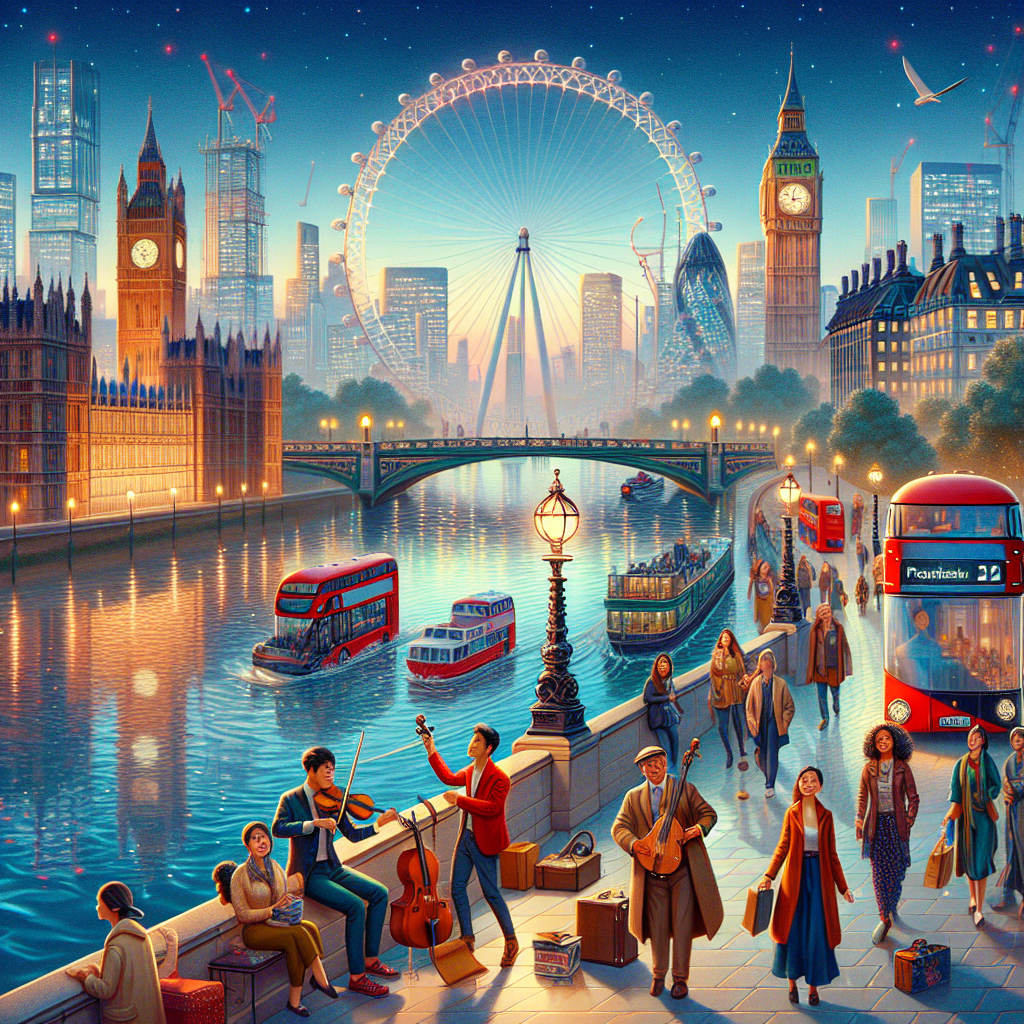
London is the funding city of England and the UK, located on the River Thames in the southeastern part of the country. It is one of the most heavily populated cities in Europe, with a varied populace standing for a wide variety of societies and backgrounds. London is recognized for its iconic spots such as Large Ben, the Tower of London, and Buckingham Royal residence. The city is also a major economic and cultural hub, with world-class galleries, theaters, and restaurants. London is a dynamic metropolitan area with an abundant history, lively nightlife, and endless opportunities for amusement and expedition.
The History of London
London, the vibrant and bustling capital of England, has a rich and exciting background that extends over 2 millennia. From its simple beginnings as a Roman negotiation to turning into one of one of the most influential cities worldwide, London has actually seen plenty of historical events and transformations that have actually formed its identification.
The story of London starts in the year 43 AD when the Romans, led by Emperor Claudius, established a tiny settlement on the financial institutions of the River Thames. They called it Londinium, which promptly became a successful trading center because of its tactical place. The Romans constructed a bridge throughout the river, linking Londinium to the rest of the empire, and the city flourished.
Over the centuries, London faced its fair share of difficulties. In the fifth century, the city was deserted as the Roman Empire collapsed, and it came under disrepair. Nonetheless, London’s ton of money altered in the 9th century when Alfred the Great, the King of Wessex, recovered the city and made it the funding of England. Under his regulation, London started to reclaim its previous splendor.
As the Center Ages dawned, London grew in relevance and impact. It became a center of trade, attracting merchants from all corners of Europe. The renowned Tower of London, created in the 11th century, served as a symbol of the city’s power and authority. It was throughout this time around that London created its distinctive medieval personality, with narrow winding streets, grand basilicas, and dynamic markets.
Nonetheless, London was not unsusceptible to difficulty. In 1666, the city was ravaged by the Fantastic Fire of London. The fire raved for days, eating a substantial portion of the city and leaving thousands homeless. Regardless of the damage, London climbed from the ashes and embarked on a period of fast growth and expansion.
Throughout the 18th and 19th centuries, London became the heart of the British Empire, the biggest empire the world had ever seen. Its influence included every edge of the world, and the city’s populace rose as individuals crowded to its roads in search of possibilities. The Industrial Transformation changed London into a growing metropolis, with manufacturing facilities, trains, and an ever-expanding network of profession.
The Victorian age marked a substantial transition in London’s background. The city underwent an enormous improvement, with grand buildings and landmarks being constructed, such as your houses of Parliament and the famous Tower Bridge. London came to be a beacon of culture and innovation, bring in artists, writers, and intellectuals from worldwide.
In the 20th century, London encountered the horrors of 2 world battles. The city was heavily flopped during the Strike in The Second World War, creating prevalent devastation and death. However, London’s durability shone via, and it emerged from the ashes once more, rebuilding and transforming itself.
Today, London is a thriving multicultural city, with a populace of over eight million individuals. It is a worldwide financial facility, a cultural melting pot, and a hub of creativity and diversity. From the majestic Buckingham Palace to the dynamic streets of Camden Town, London provides an one-of-a-kind mix of background and modernity.
As you stray via the city’s roads, you can’t assist however really feel the weight of its history. London is a living museum, where every corner narrates. So, next time you discover on your own in this impressive city, take a minute to appreciate the layers of history that have actually formed London right into the remarkable area it is today.
Intriguing Reality: Did you know that the popular clock tower of the Palace of Westminster, typically called Big Ben, is not the name of the tower itself? It is in fact the label of the Great Bell housed within the tower.
Fact about a Historical Occasion: In 1215, the historic Magna Carta, a record that laid the foundation for contemporary freedom, was signed at Runnymede, a meadow situated simply beyond London. This occasion noted a turning point in history, granting particular civil liberties and liberties to the people and limiting the power of the monarchy.
The Political System in London
London, the funding city of the United Kingdom, is not just an international monetary center and a cultural fusion but likewise a political giant. The political system in London is unique, intertwining regional governance with national politics, making it a fascinating study for political enthusiasts.
London’s political landscape is formed by a number of key organizations and actors, each playing an essential duty in the city’s administration. At the heart of it all is the Mayor of London, a placement first established in 2000. The mayor is elected by Londoners every four years and possesses substantial executive powers, supervising numerous aspects of the city’s administration, consisting of transport, policing, housing, and preparation.
The Mayor of London is supported by the Greater London Authority (GLA), a body composed of the Mayor, the London Setting up, and their particular personnel. The London Assembly is an one-of-a-kind feature of London’s political system, working as the scrutiny and oversight body for the Mayor’s choices. It contains 25 members, chosen through a mix of constituency and symmetrical depiction.
London’s political system additionally converges with the nationwide government. The city is split right into 73 legislative constituencies, each stood for by a Member of Parliament (MP) in your home of Commons. These MPs, elected by the locals of their corresponding constituencies, play an essential role fit nationwide policies that impact the city. London’s varied populace makes sure that MPs from various celebrations hold seats in your house of Commons, contributing to the vibrant political discussion.
Surprisingly, London likewise has a political standing unique to itself – the City of London Firm. Developed in the twelfth century, this old institution precedes the present political system and has its own separate administration structure. The City of London Corporation is accountable for the historic “Square Mile” – the economic district and the whipping heart of London’s economic might. The Lord Mayor of the City of London, distinctive from the Mayor of London, is its ceremonial head and stands for the rate of interests of the business community.
London’s political system grows on the interaction of its locals. The city boasts a very active and politically aware population, with numerous grassroots organizations, think tanks, and advocacy groups shaping the discussion. Londoners proactively join regional national politics, going to public meetings, voicing their problems, and marketing for change.
One intriguing fact about the city’s political system is the diversity it envelops. London is home to a broad selection of ethnic cultures, cultures, and ideas, and this diversity is mirrored in its political representation. The London Setting up, as an example, includes participants from different backgrounds, ensuring a wide range of perspectives are thought about when making decisions that impact the city and its locals.
London has seen its fair share of political events that have actually shaped the city’s background. From suffragette activities fighting for ladies’s rights to objections versus social inequality and racial injustice, the city has actually been a hotbed of political advocacy. Especially, the city played a critical duty in the campaign for the abolition of the slave labor, with influential numbers like William Wilberforce promoting for change.
In conclusion, London’s political system is a dynamic and complex entity that integrates regional and nationwide governance frameworks. With the Mayor of London, the Greater London Authority, the London Setting up, and the City of London Company, the city’s political organizations guarantee reliable administration and representation. London’s political landscape is improved by its varied population and energetic population, making it a vivid hub of political discourse and interaction.
The Nature of London
London, the dynamic resources of England, is renowned for its rich background, multiculturalism, and busy city life. Nonetheless, covert among the metropolitan landscape lies an unexpected abundance of nature that uses a haven for both residents and tourists looking for break from the city’s hustle and bustle. From lush parks to calm rivers, London flaunts an exceptional array of natural wonders that deserve discovering.
- Royal Parks: London is home to eight magnificent Royal Parks, each using a distinct oasis of tranquility. Hyde Park, the biggest of them all, covers over 350 acres and is embellished with sensational yards, serene lakes, and meandering paths. Kensington Gardens, beside Hyde Park, is a favorite among households and nature enthusiasts, boasting the captivating Diana, Princess of Wales Memorial Play ground and the serene Italian Gardens.
- Kew Gardens: Nestled in southwest London, Kew Gardens is a UNESCO Globe Heritage Website and an agricultural place. This huge stretch of greenery is home to more than 30,000 different varieties of plants, consisting of unusual and unique ranges. Walk through the stunning glasshouses, discover the treetop walkway offering spectacular sights, or merely relax in the relaxed surroundings.
- Thames River: The famous River Thames moves via the heart of London, offering a peaceful retreat from the city’s hustle. Take a leisurely walk along the embankment, take pleasure in a boat trip, or merely discover a spot to rest and watch the world go by. The river is teeming with wildlife, consisting of swans, ducks, and even the occasional seal.
- Hampstead Health: A sprawling expanse of ancient woodlands, rolling meadows, and serene ponds, Hampstead Health is a real all-natural treasure in the heart of North London. It supplies impressive sights of the city sky line from Parliament Hill, huge open areas for outings and sports, and the opportunity to swim in the rejuvenating waters of the Parliament Hillside Lido.
- Richmond Park: Extending over 2,500 acres, Richmond Park is a place for wildlife fanatics. It is home to herds of stunning deer that wander openly, developing a really enchanting sight. Discover the park’s hidden yards, twisting tracks, and shimmering lakes, or just indulge in the appeal of nature.
- Canals and Rivers: London’s detailed network of canals and rivers offers an unique means to discover the city’s all-natural appeal. Take a leisurely boat journey along the Minister’s Canal, passing through stunning communities and under lovely bridges. Take pleasure in the calm ambience and observe the plentiful wild animals that calls these rivers home.
London’s dedication to preserving its all-natural spaces appears via its countless nature gets and wildlife sanctuaries. These protected areas provide a safe house for a diverse range of plants and pets, enabling visitors to experience the wonders of nature up close.
WWT London Wetland Centre: Situated in Barnes, this city sanctuary is a haven for birdwatchers and nature lovers. With its lakes, fish ponds, and marshes, the Wetland Centre brings in a wide range of bird varieties, including kingfishers, herons, and also nesting sand martins. Check out the nature trails, go to the monitoring conceals, or participate in to get more information regarding the wetland ecological community.
Lee Valley Regional Park: Covering throughout four areas, Lee Valley Regional Park is a sprawling environment-friendly area that uses a wide range of recreational tasks. From biking and equine riding to fishing and birdwatching, there is something for every person. The park additionally encompasses several nature books, such as Walthamstow Wetlands, where site visitors can find a selection of bird types and discover diverse environments.
Greenwich Park: Positioned on the banks of the Thames, Greenwich Park is not only soaked in background yet additionally offers an attractive all-natural hideaway. The park’s rolling hills, beautifully polished gardens, and old trees develop a peaceful atmosphere. Take a leisurely stroll to the Royal Observatory, appreciate a picnic on the extensive lawns, or just admire the awesome views of the city.
London’s commitment to sustainability and ecological preservation is evident through numerous efforts and tasks aimed at preserving and enhancing its all-natural spaces. From the creation of wildlife-friendly yards to the promo of urban beekeeping, the city continuously makes every effort to safeguard its biodiversity and raise understanding concerning the importance of nature in city landscapes.
Finally, while London is widely celebrated for its lively cityscape, it is similarly blessed with a multitude of natural marvels. From extensive parks and yards to calm rivers and wild animals havens, the city uses a myriad of chances to connect with nature. Whether you’re a visitor or a regional, exploring London’s all-natural elegance is an enhancing experience that enables you to appreciate the unified conjunction of a bustling metropolitan area and the tranquility of the environment.
The Food of London: A Gastronomic Joy
London, the lively capital city of the UK, is not only prominent for its historical sites and cultural diversity yet additionally for its mouthwatering cuisine. With an abundant culinary heritage affected by various societies from all over the world, London supplies a gastronomic experience like nothing else. From traditional British dishes to global tastes, the city’s food scene is a true joy for food fans.
Conventional British Price
When it pertains to typical British fare, London has a myriad of options to supply. The traditional fish and chips, a perfect British meal, can be found in nearly every corner of the city. Picture a perfectly golden, crunchy battered fish offered with beefy chips and a side of mushy peas– a real taste of British nostalgia. Head to the iconic Borough Market or any local bar to relish this cherished recipe.
Another British fave is the Sunday roast. This hearty meal typically consists of roasted meat (such as beef, lamb, or chicken), accompanied by roasted potatoes, Yorkshire pudding, seasonal vegetables, and lashings of rich gravy. Delight in this home cooking at one of London’s standard clubs, where you can absorb the relaxing atmosphere while appreciating a tasty Sunday lunch.
International Flavors
London’s varied populace has contributed to an incredible selection of international foods offered throughout the city. Take a walk with Chinatown and enjoy authentic Chinese dishes, from dark amount to Peking duck. Venture to Block Lane for an explosion of tastes from the Indian subcontinent, where you can appreciate aromatic curries and delicious street food. For a preference of the Mediterranean, head to Borough Market and delight in Spanish tapas, Italian pasta, or Greek souvlaki.
London’s gastronomic scene wouldn’t be complete without stating its world-class afternoon tea. Delicate finger sandwiches, newly baked scones with clotted cream and jam, and a variety of dainty pastries and cakes are offered along with a steaming pot of tea. Experience the sophistication and custom of tea at legendary venues like The Ritz, Claridge’s, or The Savoy.
The Most Popular Meal: Chicken Tikka Masala
While London boasts an incredible selection of recipes, one that has recorded the hearts and taste buds of both citizens and visitors alike is the renowned Chicken Tikka Masala. This scrumptious Indian-British combination recipe is a perfect mix of marinated hen items prepared in a luscious tomato-based sauce, instilled with an assortment of fragrant spices. The tender hen, bathed in an abundant, tasty sauce, is finest delighted in with a side of basmati rice or warm naan bread.
Below’s a brief recipe to recreate this beloved recipe in your own kitchen:
- Marinate the hen: In a mixing dish, incorporate yogurt, ginger-garlic paste, turmeric, chili powder, ground cumin, ground coriander, and a capture of lemon juice. Include hen items and coat them well. Allow it season for at least 2 hours to permit the flavors to instill.
- Prepare the sauce: Warmth oil in a pan and add carefully chopped onions. Sauté till gold brownish. Add smashed tomatoes, tomato puree, and a dash of water. Season with salt, sugar, garam masala, and chili powder. Simmer the sauce for 10-15 minutes, permitting it to enlarge.
- Cook the chicken: Preheat a grill or barbecue. Prepare the seasoned poultry up until it is slightly charred and cooked through. Include the cooked poultry to the simmering sauce, enabling it to absorb the flavors for a few mins. Garnish with fresh coriander.
- Offer and delight in: Offer the Poultry Tikka Masala with steamed basmati rice, cozy naan bread, and a spray of newly cut coriander. Relish the surge of flavors and delight in this essential London recipe.
London’s culinary landscape is a melting pot of tastes, providing something to please every taste. Whether you’re a fan of typical British meals or long for worldwide foods, the city’s food scene promises a memorable gastronomic experience. So, embark on a cooking experience and find the extraordinary cuisine that London needs to use.
Individuals and Populace of London
London, the lively funding of England, is a dynamic metropolitan area that captivates countless individuals from all edges of the globe. Its rich background, diverse culture, and legendary landmarks make it among one of the most seen cities on the planet. However what really makes this city unique is its individuals and the fascinating population that calls it home.
London, commonly described as a “fusion,” is a true reflection of multiculturalism, with a populace that encompasses a myriad of races, ethnicities, and faiths. The city accepts variety, and its citizens take pride in their modern heritage, creating a lively tapestry of customs and ideas.
Among the initial things you’ll observe about the people of London is their cozy and friendly nature. In spite of the fast-paced way of life that includes staying in a major city, Londoners are known for their politeness and desire to provide an aiding hand. Whether you’re a shed traveler seeking instructions or a regional looking for referrals, you’ll discover that Londoners are greater than satisfied to assist.
With a population of over 9 million individuals, London is a city teeming with life. The streets are full of a continuous buzz as people from all profession set about their everyday regimens. From the matched professionals rushing to their workplaces in the financial area to the musicians and artists expressing their creative thinking in the cultural centers, there is an obvious power that penetrates the city.
London is likewise home to a flourishing student populace, with many esteemed universities and universities drawing in young minds from around the world. The presence of these academic organizations adds a vibrant vigor to the city, as trainees bring their distinct viewpoints and concepts, adding to the intellectual and cultural landscape of London.
The neighborhoods within London are as varied as its populace. From the stylish streets of Shoreditch, known for its vivid arts scene, to the upscale districts of Kensington and Chelsea, each area has its very own distinctive appeal and character. Whether you’re seeking a preference of the city’s background in the cobbled streets of Covent Yard or seeking a taste of the unique in the multicultural hub of Brixton, there is something for everybody in London.
Londoners are known for their love of arts, culture, and enjoyment. The city flaunts a remarkable array of galleries, galleries, cinemas, and music places that deal with all tastes. From the world-renowned British Museum, housing a huge collection of historic artifacts, to the renowned West End theaters, where amazing productions astound audiences evening after evening, there is no lack of social experiences to delight in.
The culinary scene in London is equally diverse, reflecting the modern make-up of the city. From Michelin-starred great eating establishments to busy street food markets, the city uses a gastronomic adventure for every taste buds. Whether you’re food craving typical British price like fish and chips or yearning to appreciate tastes from around the world, London’s culinary offerings make certain to leave you pleased.
Regardless of its cosmopolitan nature, Londoners still value their practices and heritage. From the pomp and circumstance of the Changing of the Guard at Buckingham Royal residence to the olden ceremony of afternoon tea, the city effortlessly mixes modernity with its abundant historical legacy. These customs work as a reminder of the city’s origins and offer a sense of connection in an ever-changing world.
Finally, individuals and populace of London are what absolutely make the city come alive. With their cozy hospitality, varied histories, and an enthusiasm for arts and society, Londoners create an one-of-a-kind tapestry that is both cosmopolitan and deeply rooted in custom. Whether you’re a site visitor or a homeowner, individuals of London will unquestionably make you feel welcome in this enchanting city.
Staying in London
PROs
- Unlimited cultural and amusement alternatives
- Fantastic public transportation system
- Diverse and lively community
- Opportunities for occupation development and networking
- Historic landmarks and stunning architecture
Disadvantages
- High expense of living
- Crowded and active streets
- Climate can be gloomy and unforeseeable
- Noisy and contaminated setting
- Lengthy commutes because of traffic jam