
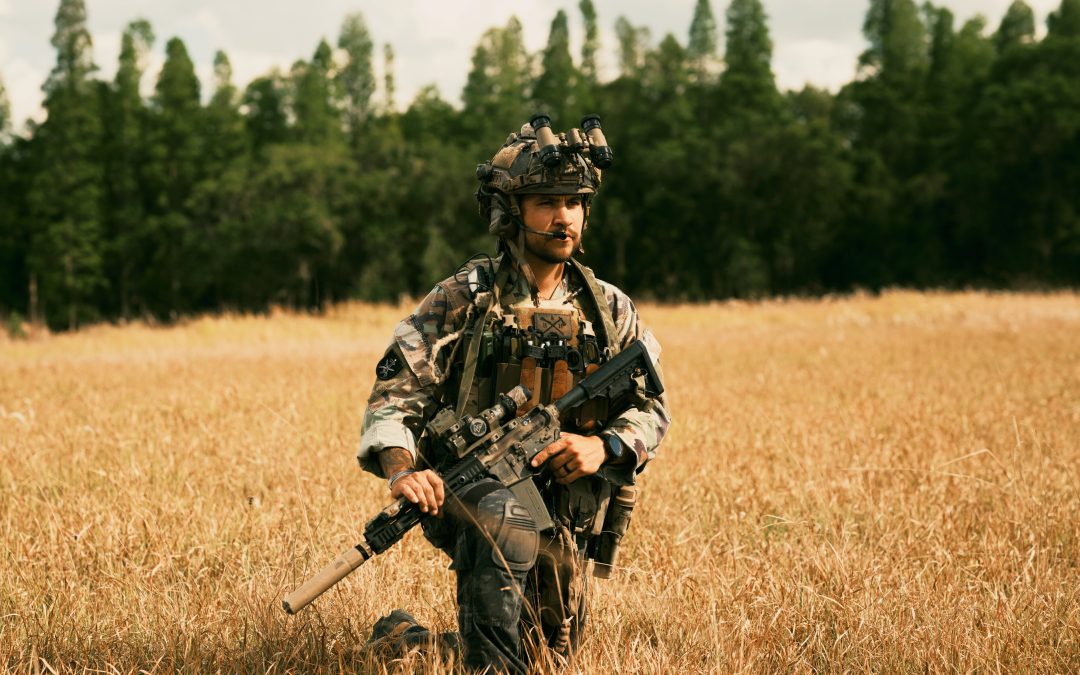
Embracing the Prepared Citizen Movement: A Path towards Resilience
In a world increasingly defined by global conflicts, pandemics, and unprecedented weather events, the notion of being a prepared citizen is no longer confined to the fringes of society. Instead, it is gaining traction as individuals realize the importance of self-sufficiency and resilience in the face of uncertainty. The prepared citizen movement is an evolving mindset that encourages individuals to take proactive measures to safeguard themselves, their families, and their communities.
A Shift in Perspective: From Complacency to Proactivity
Gone are the days of complacency, where many relied solely on external entities for protection and support. The current state of our world has necessitated a shift in perspective, urging citizens to be proactive rather than reactive. By embracing the principles of preparedness, individuals acknowledge the fragility of existing systems and take responsibility for their own well-being.
Preparing oneself for unforeseen circumstances encompasses various aspects, such as acquiring essential supplies, developing survival skills, and establishing networks within communities. This mindset empowers citizens to be self-reliant and adaptable in the face of adversity, ultimately reducing dependence on external aid.
Weathering the Storms of Uncertainty
Extreme weather events have become a frequent occurrence, and their impact is felt across the globe. From devastating hurricanes to prolonged droughts, communities worldwide are grappling with the consequences of a changing climate. The prepared citizen movement recognizes the significance of climate resilience and encourages individuals to mitigate their environmental footprint while equipping themselves to withstand severe weather conditions.
By adopting sustainable practices like rainwater harvesting, implementing renewable energy sources, and promoting community gardens, prepared citizens actively contribute to their own well-being and ecological sustainability. Moreover, being prepared for natural disasters minimizes the strain on relief resources, enabling local authorities to focus on the most vulnerable populations.
From Isolation to Community Cohesion
While self-sufficiency is a crucial aspect of the prepared citizen movement, fostering community cohesion is equally vital. Acting in isolation during times of crisis can limit the effectiveness of individual efforts. Therefore, building relationships and networks within communities is key to addressing challenges collaboratively.
One innovative solution that has emerged is the concept of mutual aid networks. These networks consist of individuals within a community who support one another in times of need. By sharing resources, knowledge, and skills, prepared citizens create a safety net that promotes resilience on a collective level.
A Shift towards Education and Skills Development
Preparedness is not solely about stockpiling supplies and building shelters. It also encompasses acquiring knowledge and skills that are fundamental for survival and community support. Education on basic first aid, self-defense, food preservation, and sustainable farming practices empowers individuals to tackle a wide range of challenges.
Communities can establish accessible workshops and training sessions to equip citizens with the skills they need. These educational initiatives encourage lifelong learning and establish a culture of preparedness, ensuring that future generations are equipped to face any adversity that may arise.
Embracing the prepared citizen movement is not about succumbing to fear; it is about fostering resilience, adaptability, and community cohesion.
In an era marked by uncertainty, the prepared citizen movement offers an innovative approach to navigating the challenges of our times. By encouraging individuals to embrace self-sufficiency, foster community cohesion, and acquire essential skills, we can collectively forge a path towards resilience and a more secure future. It is time to shift our mindset from relying solely on external systems to taking an active role in creating a more prepared and empowered citizenry.