


The Latest Discoveries in Cosmology: Exploring the Universe’s Mysteries
Cosmology, the study of the origin, evolution, and eventual fate of the universe, has always been a fascinating field of science. Over the years, scientists have made incredible discoveries that have deepened our understanding of the cosmos. In recent years, there have been several groundbreaking discoveries in cosmology that have shed light on some of the universe’s most enduring mysteries.
One of the most significant discoveries in cosmology in recent years is the detection of gravitational waves. In 2015, the Laser Interferometer Gravitational-Wave Observatory (LIGO) made history by detecting gravitational waves for the first time. These ripples in spacetime were predicted by Albert Einstein over a century ago in his theory of general relativity. The detection of gravitational waves has opened up a new window into the universe, allowing scientists to study phenomena such as black holes, neutron stars, and the early universe in ways that were previously impossible.
Another major discovery in cosmology is the confirmation of the existence of dark matter. Dark matter is a mysterious substance that makes up about 27% of the universe, yet it does not emit, absorb, or reflect light, making it invisible to telescopes. Scientists have long suspected the existence of dark matter based on its gravitational effects on visible matter, but it was not until recently that they were able to directly detect it. In 2019, the European Space Agency’s Gaia satellite provided the most compelling evidence yet for the existence of dark matter by mapping the distribution of stars in the Milky Way and revealing the presence of a dark matter halo surrounding the galaxy.
In addition to dark matter, another mysterious substance known as dark energy has also been a focus of cosmological research. Dark energy is believed to be responsible for the accelerated expansion of the universe, a phenomenon that was discovered in the late 1990s. Recent observations of distant supernovae and the cosmic microwave background radiation have provided further evidence for the existence of dark energy and have helped to refine our understanding of its properties.
One of the most exciting developments in cosmology in recent years is the discovery of exoplanets – planets that orbit stars outside of our solar system. The Kepler Space Telescope, launched in 2009, has revolutionized the field of exoplanet research by discovering thousands of new worlds, many of which are potentially habitable. These discoveries have raised intriguing questions about the possibility of life beyond Earth and have inspired new efforts to search for signs of life on other planets.
Overall, the latest discoveries in cosmology have deepened our understanding of the universe and have raised new questions that will drive future research in the field. From the detection of gravitational waves to the confirmation of dark matter and dark energy, these discoveries have opened up new avenues of exploration and have provided valuable insights into the nature of the cosmos. As scientists continue to push the boundaries of our knowledge, we can expect even more exciting discoveries in the years to come that will further unravel the mysteries of the universe.
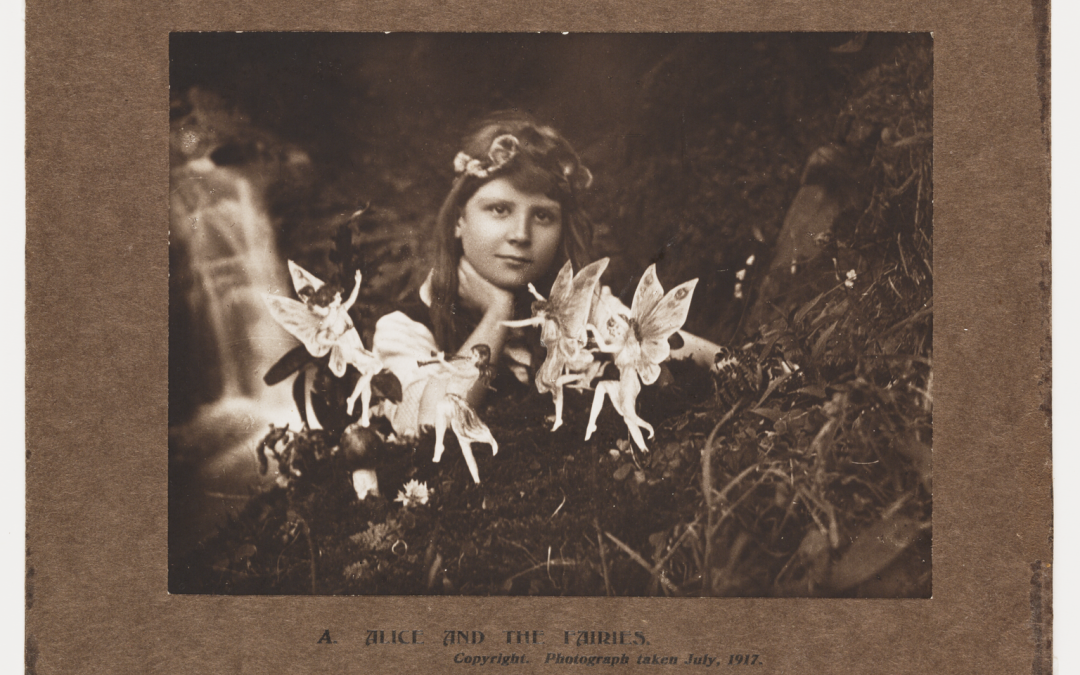
Cottingley’s Scientific Fairies and Enchanting Technology
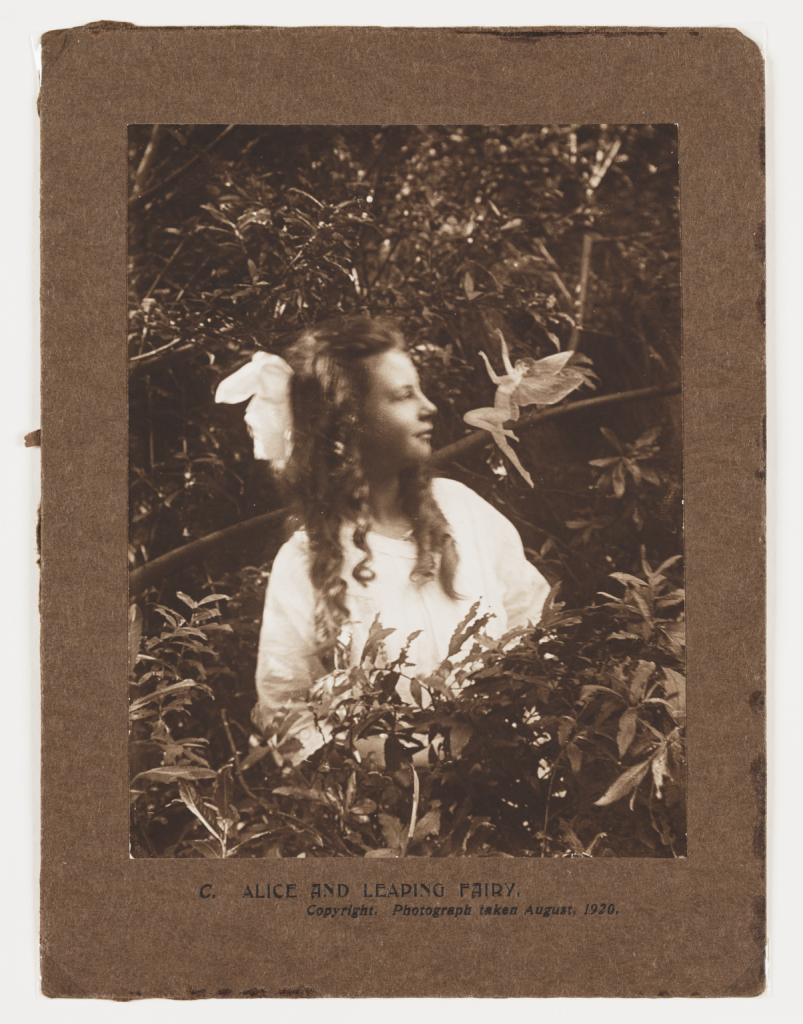
In the summer of 1917 two young cousins, Frances Griffiths and Elsie Wright, were playing by a beck in Cottingley. They said they were playing with fairies, and to prove it they borrowed a camera and snapped two photographs.
In 1920 these photographs were noticed by Edward Gardner, head of the Theosophical Society in London, as well as Sir Arthur Conan Doyle, famous author of the ‘Sherlock Holmes’ series. Both supported the photographs as evidence of the existence of fairies. For Doyle the images were “epoch-making” because they proved the existence of a fairy world, or at least that there was something “other”.
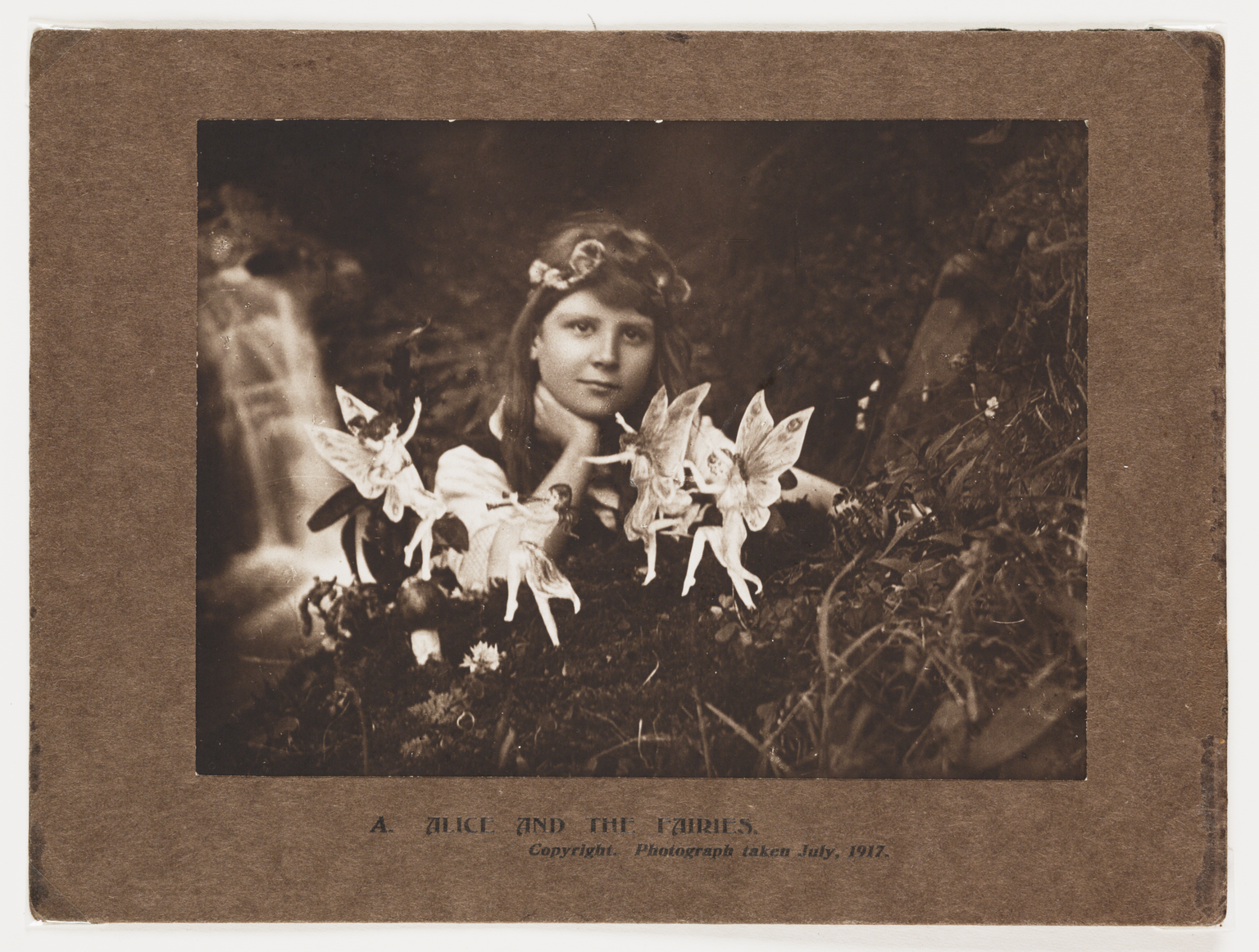
Together, they published two articles in the Strand Magazine and encouraged Elsie and Frances to take three more photographs. With the backing of such influential figures, the photographs became known worldwide and sparked debate for the next 60 years.
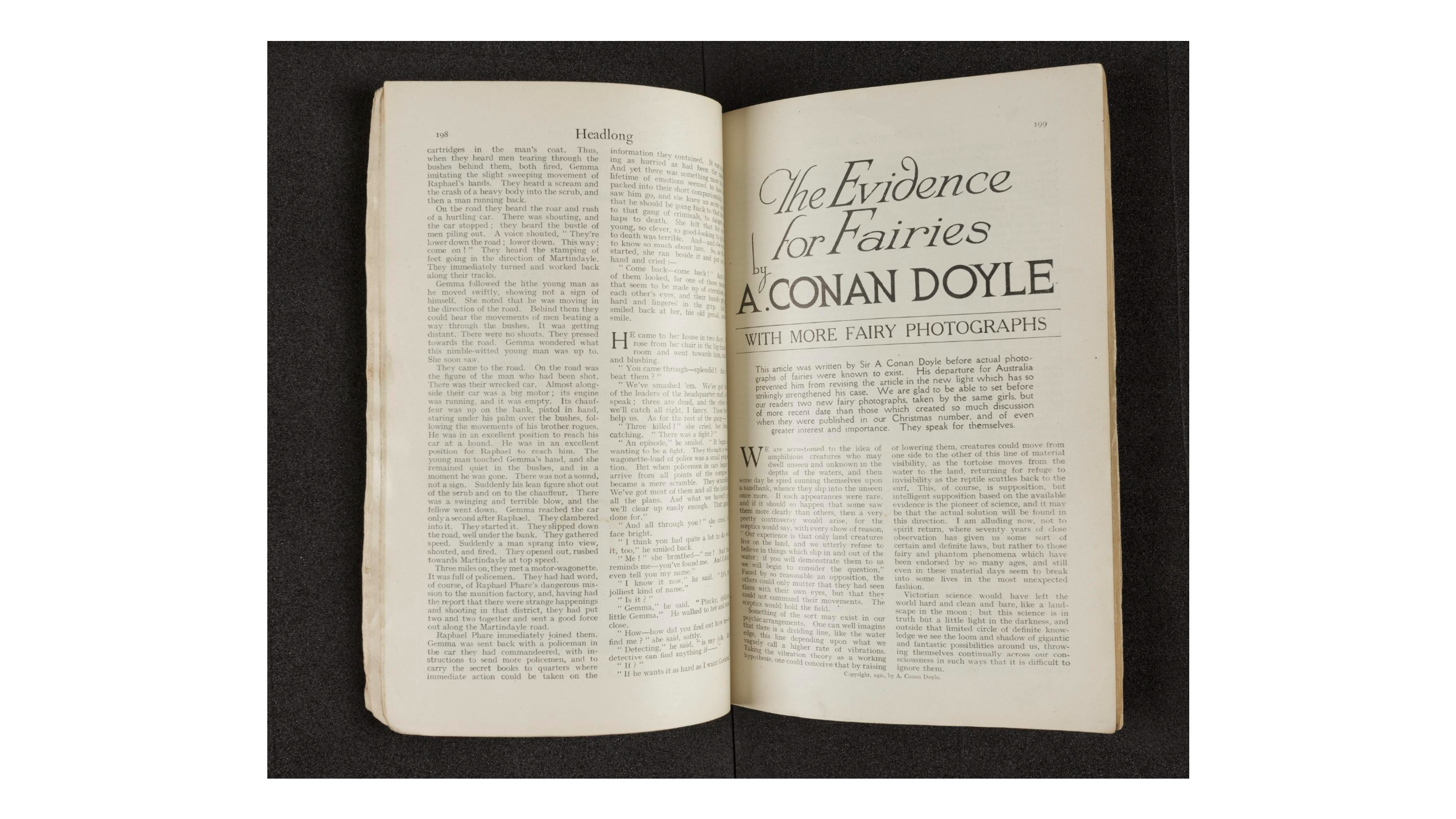
Today, the case is best known as an early photographic hoax, but when the photographs were first published, opinions were not so clear-cut. From mystics to local children, people around the world wrote to Gardner and Doyle with thoughts about the case, fairies and technology. Today some of these letters sit in the special collection at the Brotherton Library, and they reveal a complicated public opinion. In the letters, the concepts of fairies and science are not as separate as we keep them today.
Scientific Fairies
A lot of the letters were from people wanting evidence that the fairies were real. They suggested scientific methods like “entomology”, “kenetamongraphy”, “skilled photographers”, and “stereoscopic photographs” to better examine the case. A “committee of expert photographers and scientific men” took over from Elsie and Frances and their Victorian version of fairies.
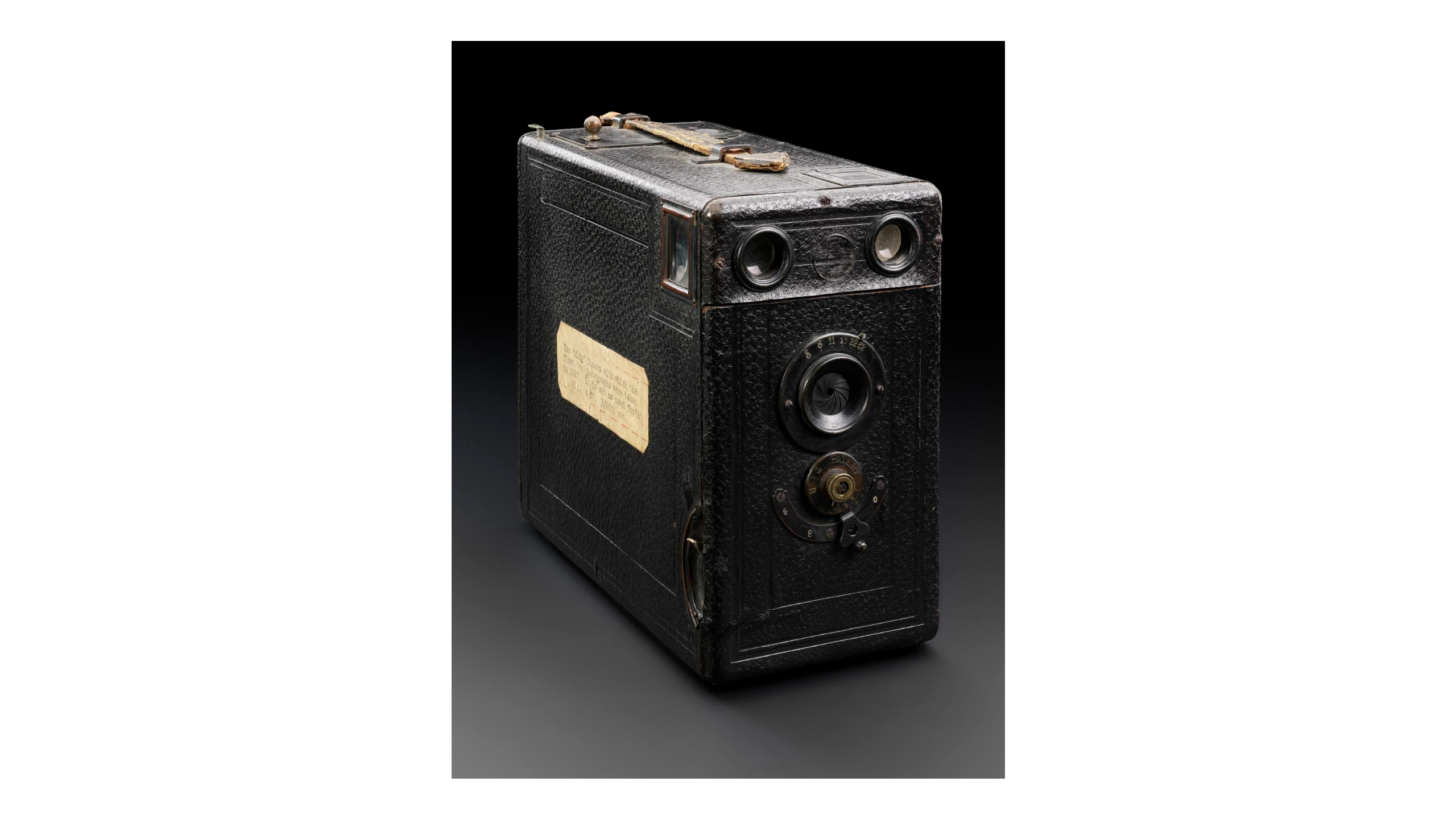
Gardner wrote that fairies had the “intelligence of a Newfoundland dog”, so wouldn’t understand the technology used to reveal them. The hope was that advancing camera technologies would help prove the existence of fairies and that it had not been possible before because the technology did not exist.
In Doyle’s book, ‘The Coming of the Fairies’, he and Gardner describe fairies as scientific entities. Gardner discusses how they become visible from vibrations and get their colour from whatever plant or tree they inhabit. He explains that “their duties are concerned with the colour, growth, and shape of flowers.” One newspaper even called fairies “a small, luminous ball of gas”. The fairies at Cottingley therefore become something more scientific than the pictures might have us believe.
Enchanting Technology
Some enchantment of fairies remained, but it was still scientifically altered. When showing slides of the photographs to audiences, Gardner used doctored copies to make the fairies stand out. He asked Elsie Blorfield to manually colour copies of the negatives. Blorfield said:
“I could not make the fairies quite as bright as I should have liked, because in painting over a photograph one has to apply the colour over a surface already toned in grey or brown.”
She does admit, “I’m afraid no colours of ours could give a real idea of the shining fairy colours.”
As technology was at the heart of this case, the fairies it presented are highly scientific. They appear from vibrations and help woodland ecosystems. People were so focused on scientifically proving the photographs were real or fake that they didn’t realise there was a third option: that the photographs were faked without the use of technology at all.
Trusting Technology
In 1983, after decades of harassment and increasing upset, Elsie revealed that the photographs were fake. She admitted that the fairies were drawings that she and Frances had stuck to the ground using hatpins—a simple trick that had dumbfounded scientists and spiritualists for over 60 years.
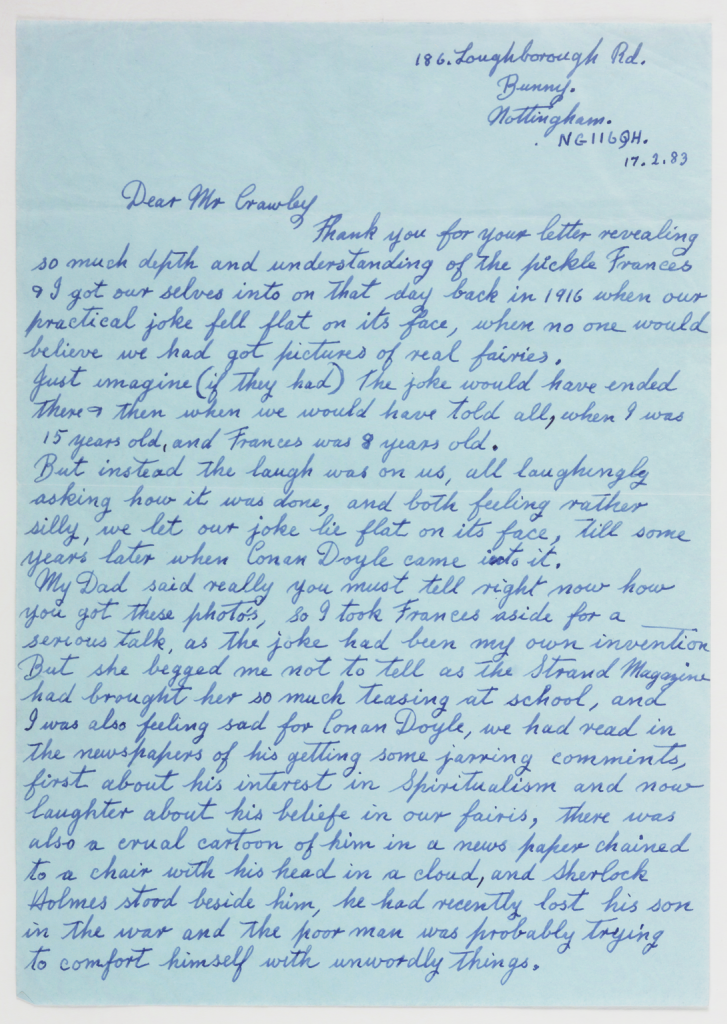
It is unsurprising that the case forced the public to think about their trust in technology. While plenty wrote in support of the fairies, there were many who saw it as a hoax from the get-go. One 16-year-old even wrote to Gardner suggesting the cardboard cutout theory in 1920. Journalists criticised Doyle, calling him “hopelessly crazy” and saying that fairies are for children.
A lot of criticism focused on how easily photographs could be altered and how technology can trick people—not unlike pesky fairies in folk tales. The result was a blend of the familiar fairy with new inventions. It is a reminder that our modern idea of the supernatural and science being entirely separate was not always so dominant.
The Social Laboratory: A Psychometric Framework for Multi-Agent LLM Evaluation
arXiv:2510.01295v1 Announce Type: new Abstract: As Large Language Models (LLMs) transition from static tools to autonomous agents, traditional evaluation benchmarks that measure performance on downstream tasks are becoming insufficient. These methods fail to capture the emergent social and cognitive dynamics that arise when agents communicate, persuade, and collaborate in interactive environments. To address this gap, we introduce a novel evaluation framework that uses multi-agent debate as a controlled “social laboratory” to discover and quantify these behaviors. In our framework, LLM-based agents, instantiated with distinct personas and incentives, deliberate on a wide range of challenging topics under the supervision of an LLM moderator. Our analysis, enabled by a new suite of psychometric and semantic metrics, reveals several key findings. Across hundreds of debates, we uncover a powerful and robust emergent tendency for agents to seek consensus, consistently reaching high semantic agreement ({mu} > 0.88) even without explicit instruction and across sensitive topics. We show that assigned personas induce stable, measurable psychometric profiles, particularly in cognitive effort, and that the moderators persona can significantly alter debate outcomes by structuring the environment, a key finding for external AI alignment. This work provides a blueprint for a new class of dynamic, psychometrically grounded evaluation protocols designed for the agentic setting, offering a crucial methodology for understanding and shaping the social behaviors of the next generation of AI agents. We have released the code and results at https://github.com/znreza/multi-agent-LLM-eval-for-debate.
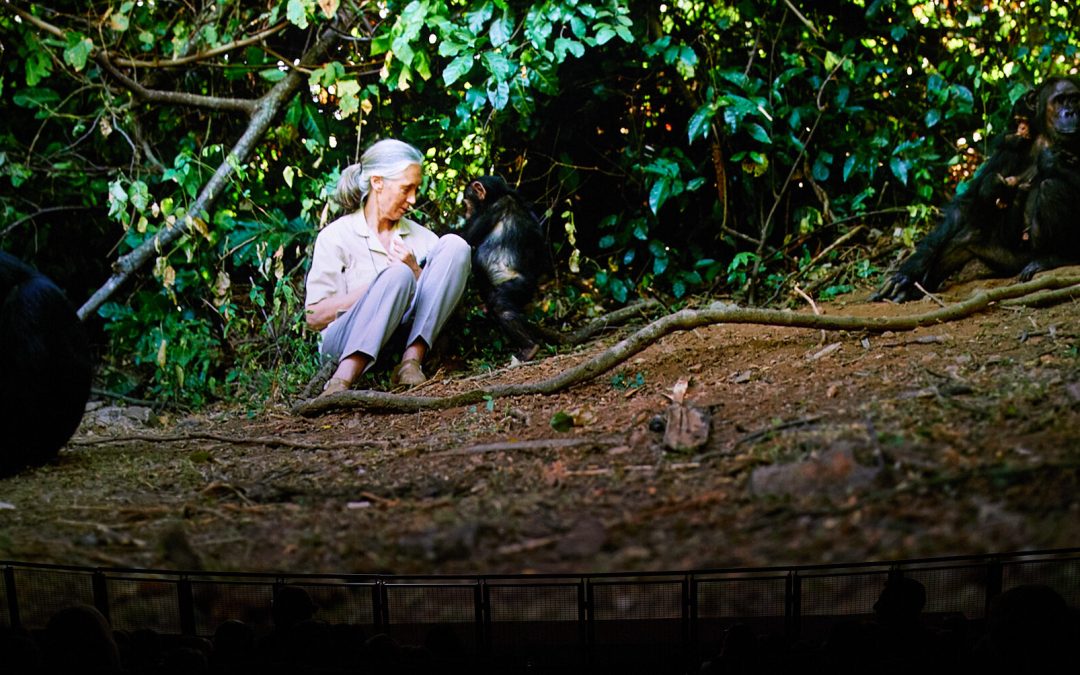
Inspirational conservationist Dame Jane Goodall’s remarkable legacy
Dr Goodall dedicated decades to the detailed study of chimpanzee behaviour in Tanzania. Her pioneering fieldwork revealed new aspects of chimp behaviours such as highly developed social behaviours and the ability to make and use tools, redefining what it meant to be human.
Previously scientists had believed that the ability to make and use tools was peculiar to human beings. As the anthropologist – and her mentor – Louis Leakey wrote, ‘Now we must redefine tool, redefine man, or accept chimpanzees as human.’
‘She was formidable,’ said the Science Museum Group’s Science Director Roger Highfield. ‘She completely changed how we think about other species and how we think about ourselves – she challenged human exceptionalism.’
Goodall was also a trailblazer for women in science, inspiring countless women to pursue careers in primatology and other scientific fields, and in the face of entrenched sexism. As she recalled: ‘Scientists were grumpily saying, “She’s only getting this credit because she’s a National Geographic cover girl and she’s got lovely legs.” I mean, today, if somebody said that, you’d be shocked, but it was kind of normal then.’
In recent years she became a global advocate for animal welfare, human rights, species and environmental protection, appearing in the museum’s Climate Talks in 2021 and becoming a Messenger of Peace for the United Nations.
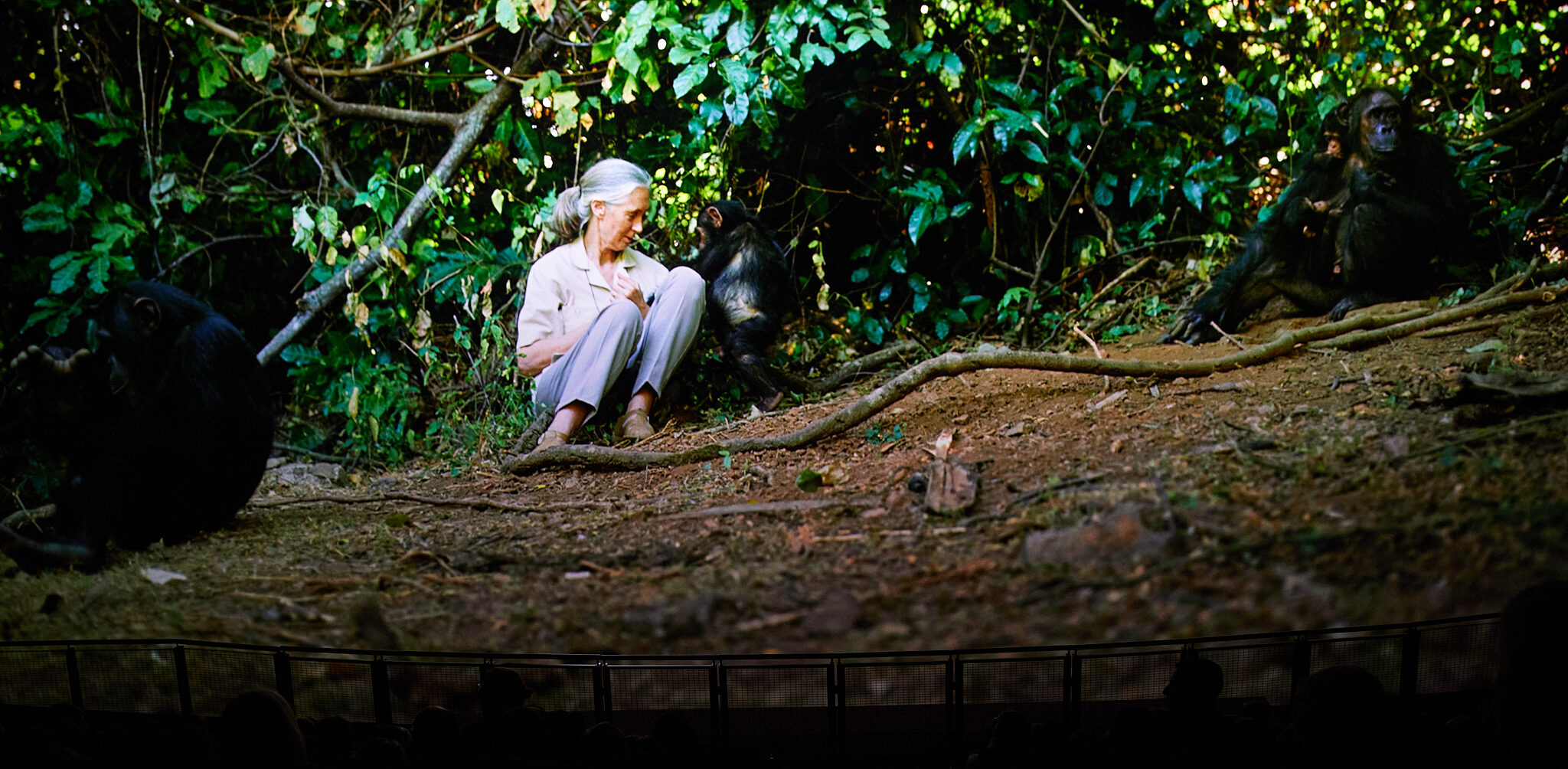
In May 2025, Dr Goodall received a Science Museum Group Fellowship, in recognition of her work as a conservationist and primatologist as well as her contribution to the protection of biodiversity.
Accepting the award at the Science Museum she said: ‘My main reason for hope today is young people’, as she emphasised the importance of engaging and empowering the next generation through activities such as the Roots & Shoots programme she founded and spaces such as the Science Museum.
Roots & Shoots aims to nurture young minds and hands to build a sustainable future through community-led conservation actions. During this October half term, a temporary display at the Science Museum will explore Dr Goodall’s journey from curious child to world-changing scientist, with families and schools able to take part in a limited number of workshops led by our Explainers and the Roots & Shoots team to learn more about the life and work of Dr Goodall.
During Dr Goodall’s visit to the Science Museum to accept her fellowship she took part in a Q&A with 300 local school children, telling the young people: ‘When you start taking action, rolling up your sleeves, you feel like “gosh I can make a difference”. If millions of people make the world just a little bit better then think what we can achieve.’
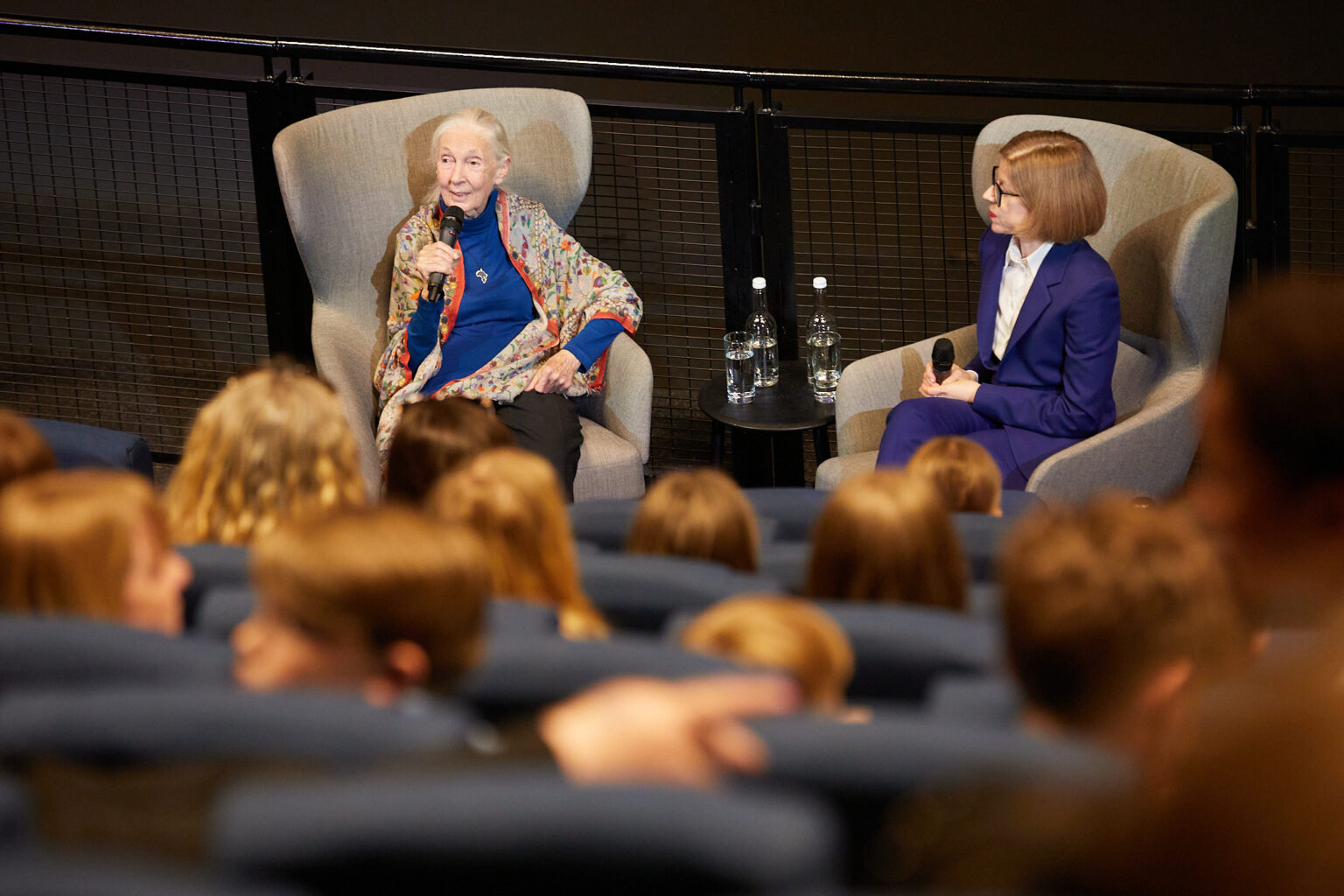
Speaking about her lifelong fascination with chimpanzees, Dr Goodall described an amazing moment of acceptance from the first chimp she observed to use tools: ‘When the chimpanzee David Graybeard allowed me to get closer – he was a very calm, gentle chimpanzee. He was a leader of the others and so gradually the rest of the group thought “well she can’t be so scary after all”. There was an amazing moment when David Graybeard took a banana from my hand and let me groom him.’
Asked about the most interesting thing she had seen, Dr Goodall talked about the lifesaving act of a twelve-year-old male chimpanzee, who had lost his mother, adopting a three-year-old baby chimpanzee whose mother had recently died. The twelve-year-old let the younger chimp share his nest and saved his life.
The post Inspirational conservationist Dame Jane Goodall’s remarkable legacy appeared first on Science Museum Blog.