The Power of Shadows: Exploring the Intersection of Light and Darkness in Art
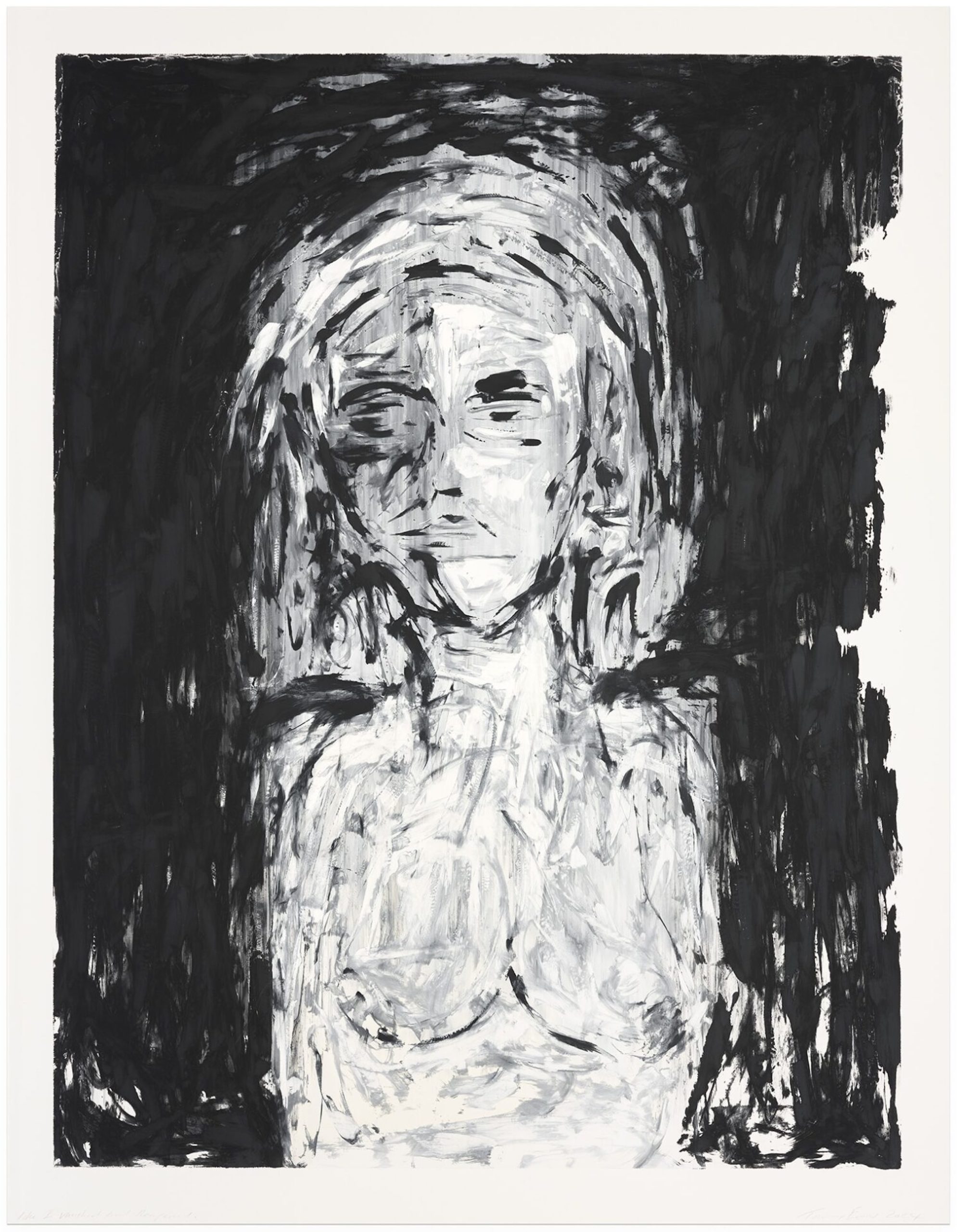
In the world of art, the interplay between light and darkness has long been a source of fascination for both artists and viewers alike. From the chiaroscuro technique of the Renaissance masters to the monochromatic shadows of contemporary minimalist works, shadows have the power to evoke emotion, create depth, and imbue a sense of mystery.
Throughout history, artists such as Caravaggio, Rembrandt, and Goya have utilized shadows to dramatic effect, capturing the human form in all its complexity and vulnerability. The use of light and shadow in these works creates a sense of drama and tension, drawing the viewer into the scene and inviting contemplation.
Today, contemporary artists continue to explore the possibilities of shadows in their work, using them to challenge perceptions, play with illusion, and push the boundaries of traditional art forms. From installations that play with light and shadow to photography that captures the fleeting beauty of dusk, shadows remain a powerful tool for artistic expression.
In this article, we will delve into the ways in which artists past and present have harnessed the power of shadows to create compelling and thought-provoking works of art. Join us on a journey through the shadows, where light and darkness meet to illuminate the human experience in all its complexity.