

A Glimpse into the Future: Trends in Lunar Exploration
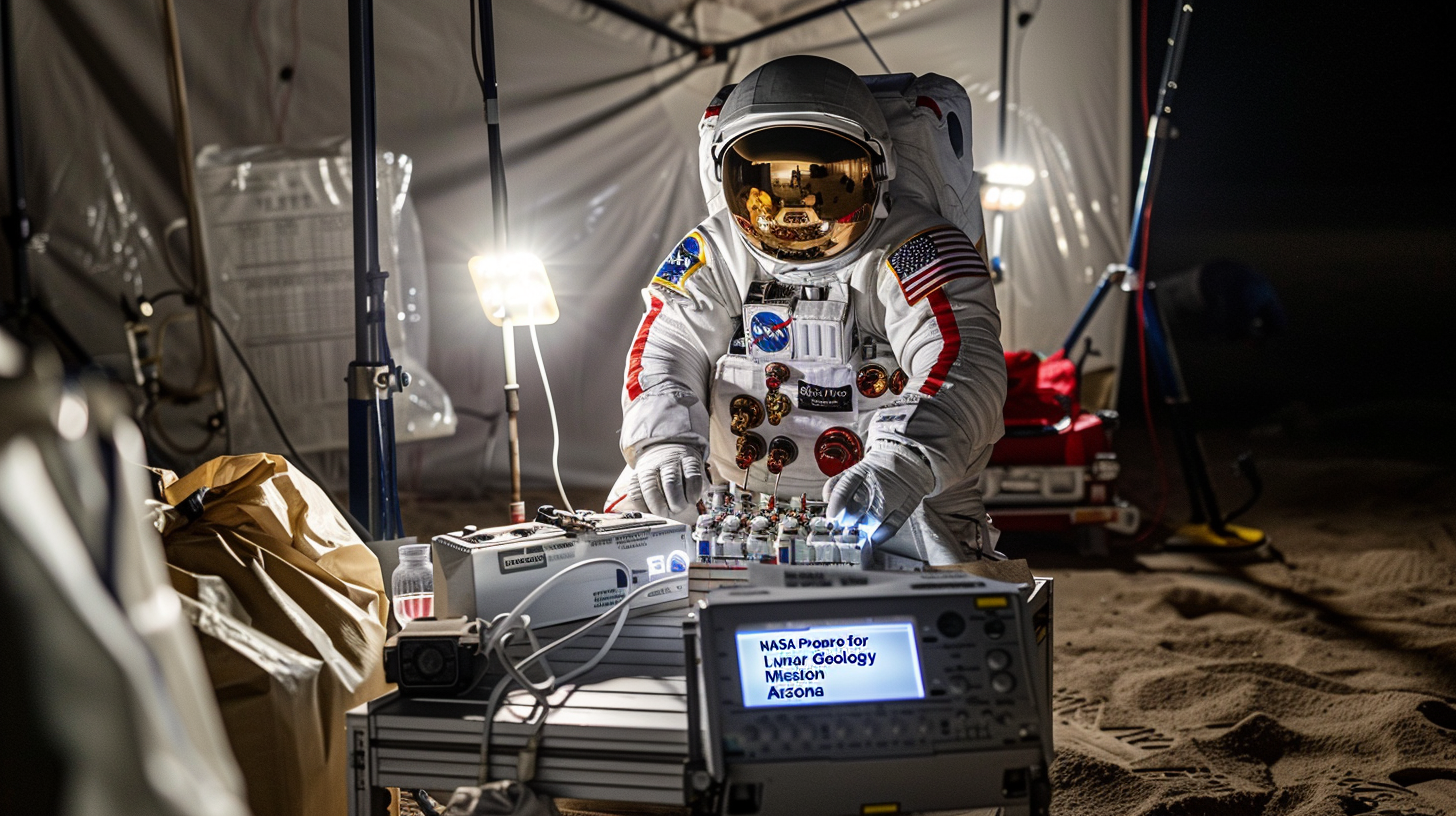
The potential future trends related to lunar exploration are a topic of great interest for both the scientific community and space enthusiasts. As NASA astronauts continue to prepare for future missions, such as those at the Moon’s south pole, the world eagerly awaits the developments and advancements that lie ahead. In this article, we will explore the key points of the recent simulated lunar exploration in Arizona and analyze the potential trends, along with unique predictions and recommendations for the industry.
Simulated Lunar Exploration: A Training Ground for Astronauts
The recent simulated lunar exploration conducted by NASA astronauts in Arizona serves as a vital training ground for future Moon missions. The objective is to prepare astronauts for the challenges they will encounter while undertaking geology-related tasks at the Moon’s south pole. This simulated training allows astronauts to familiarize themselves with the lunar environment and gain crucial hands-on experience before embarking on actual lunar missions.
Notably, this simulated exploration also highlights the importance of geological studies and research on the Moon. Geology plays a significant role in understanding the Moon’s history, formation, and potential resources. With simulated training enabling astronauts to become adept in geological investigations, the future of lunar exploration holds immense promise for scientific discoveries.
Trends in Lunar Exploration: Looking Ahead
1. Increased Focus on Lunar Geology:
As astronauts undergo simulated training and gain proficiency in lunar geology, there will be an increased focus on geological studies during actual Moon missions. The Moon’s south pole, in particular, is of great interest due to its unique geological features, potential water ice deposits, and the possibilities of discovering new resources. The integration of geological investigations into lunar exploration missions will pave the way for groundbreaking discoveries and enhance our understanding of the Moon’s evolution.
2. Advancements in Robotic Lunar Exploration:
Robotic missions to the Moon have been instrumental in gathering valuable data and paving the way for human exploration. In the future, we can expect significant advancements in robotic lunar exploration technology. These advancements will enhance the capabilities of robotic rovers and landers, allowing them to carry out complex tasks independently and efficiently. Robotic explorers equipped with advanced imaging and sample collection systems will provide valuable preliminary insights and help identify specific areas of interest for human exploration.
3. Sustainable Resource Utilization:
As we venture further into lunar exploration, the development of sustainable resource utilization strategies will be essential. The Moon’s south pole, with its potential water ice deposits, presents opportunities for harvesting resources that can support future missions and even serve as a stepping stone for deeper space exploration. Efficient extraction and utilization of these resources, such as water for life support systems and propellant production, will be crucial for establishing long-term lunar presence and reducing dependency on Earth’s resources.
Predictions and Recommendations for the Industry
1. Collaboration and International Partnerships:
In the future, it is predicted that lunar exploration will witness increased collaboration and partnerships between space agencies and nations worldwide. The shared objectives of scientific research, resource utilization, and advancing human space exploration will drive greater cooperation, allowing for pooling of resources, expertise, and funding. International collaborations will further accelerate technological advancements and expand the scope and impact of lunar exploration missions.
2. Embracing Emerging Technologies:
As the field of space exploration continues to evolve, it is recommended that industry stakeholders embrace emerging technologies. Innovations in artificial intelligence, robotics, and additive manufacturing can revolutionize lunar exploration missions, making them more efficient, cost-effective, and sustainable. Integrating these technologies into mission planning and spacecraft design will enhance the overall capabilities and success of future lunar missions.
3. Public Awareness and Engagement:
With the growing interest in space exploration, it is crucial to foster public awareness and engagement. Space agencies, scientists, and organizations should actively communicate the significance and potential benefits of lunar exploration to the general public. Educational initiatives, public outreach programs, and interactive platforms can play a pivotal role in arousing curiosity, inspiring future generations, and nurturing a strong public support base for lunar exploration endeavors.
Conclusion
The recent simulated lunar exploration in Arizona offers a glimpse into the future of lunar exploration. As astronauts prepare for missions at the Moon’s south pole, the industry is poised for exciting developments in lunar geology, advancements in robotic exploration, and sustainable resource utilization. Collaborative efforts, embracing emerging technologies, and fostering public awareness will play vital roles in shaping the future of lunar exploration. As we embark on this extraordinary journey, the Moon holds the potential to unlock remarkable discoveries and pave the way for the exploration of even farther cosmic frontiers.
References:
- “NASA astronauts train for Moon’s south pole” – Nature, Published online: 28 June 2024, doi:10.1038/d41586-024-02147-5