

Analyzing the Future Trends in the Art Industry
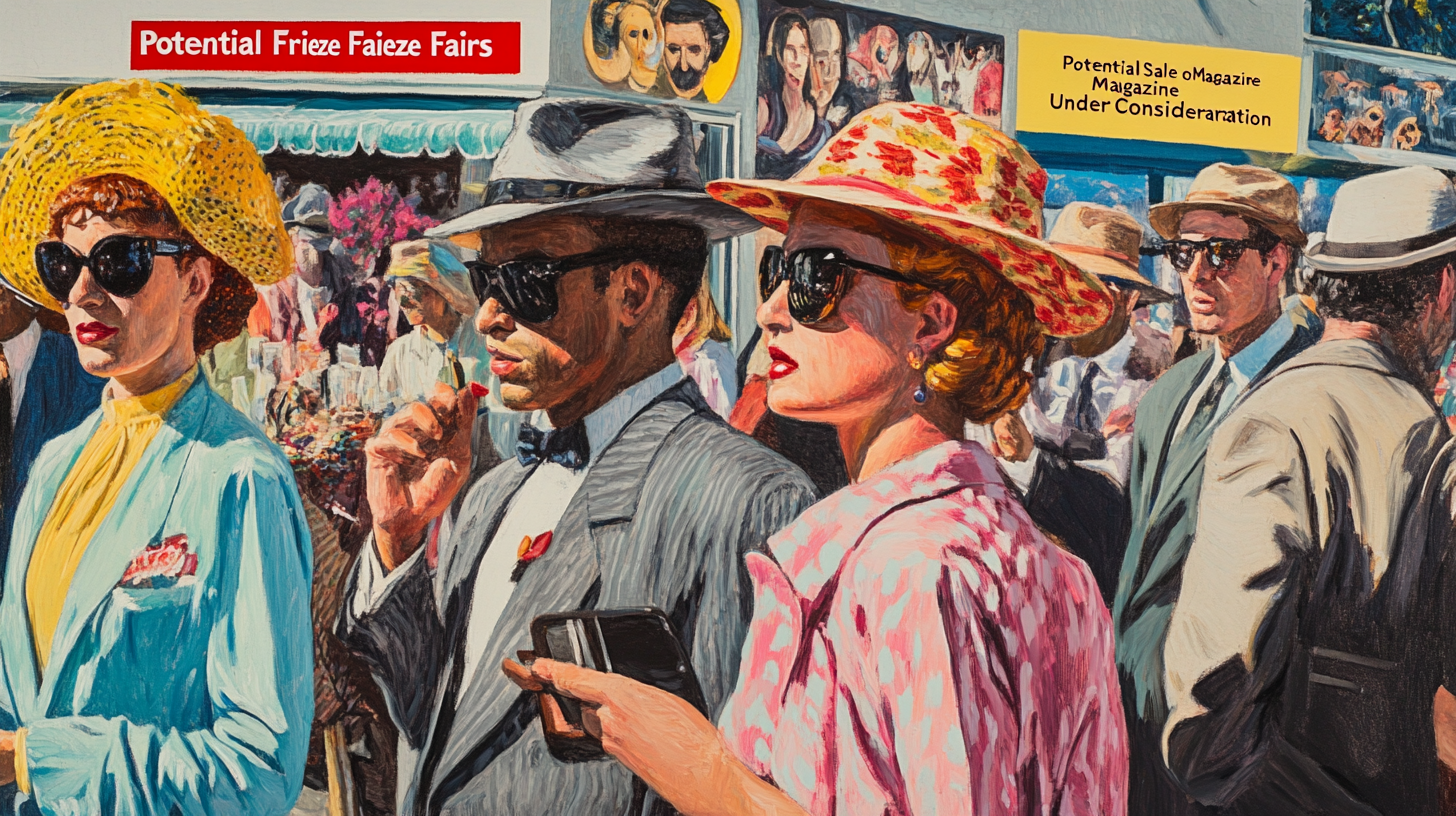
The recent news of Frieze’s parent company considering selling all the fairs and the magazine has sparked discussions about the potential future trends in the art industry. As Frieze is a significant player in the global art market and a leading platform for contemporary art, any changes in its ownership and structure will undoubtedly have an impact on the entire industry. In this article, we will analyze the key points and explore the potential implications and predictions for the art industry going forward.
1. Changing Ownership Landscape
The news of Frieze’s potential sale comes as its current owner, the American entertainment conglomerate Endeavor, is in the process of being acquired by the private equity firm Silver Lake. This changing ownership landscape reflects a broader trend of increasing financialization and consolidation in the art industry. As large corporations and private equity firms enter the art market, they bring their capital and influence, potentially reshaping the industry’s dynamics.
2. Impact on Frieze
If Frieze is sold, it would mark a significant shift in the platform’s direction and strategy. Under Endeavor’s ownership, Frieze has seen substantial growth and expansion, with new editions launched in Los Angeles and the acquisition of a major art fair in Mexico City. However, the potential sale raises questions about the future direction of Frieze and whether the new owners will prioritize its growth or implement changes that might affect its reputation and mission.
3. Potential Disruption in the Art Fair Landscape
Frieze art fairs are well-established and highly regarded events in the art world. The potential sale of Frieze could disrupt the art fair landscape, potentially leading to a shift in power dynamics among other major players. This could create opportunities for emerging or smaller art fairs to gain prominence, allowing for a more diverse and inclusive art market ecosystem.
4. Digital Innovation and Virtual Engagement
In recent years, the art industry has seen a significant shift towards digitalization and virtual engagement. This trend has been further accelerated by the COVID-19 pandemic, which forced galleries and museums to explore online platforms and virtual viewing rooms. Regardless of Frieze’s ownership, embracing digital innovation and developing robust online platforms for art sales and exhibitions will be crucial for the industry’s future success.
5. Sustainability and Social Responsibility
The art industry is increasingly focusing on sustainability and social responsibility initiatives. Future trends are likely to prioritize environmentally friendly practices, such as reducing carbon footprints and promoting ethical sourcing of materials. Moreover, art institutions and platforms will be expected to engage with social issues and represent diverse perspectives, contributing to a more inclusive and equitable art ecosystem.
Predictions and Recommendations
Based on the analysis of the key points discussed above, several predictions and recommendations can be made for the future of the art industry:
- Increased Consolidation: The trend of conglomerates and private equity firms entering the art market is likely to continue, leading to further consolidation and financialization. Artists, galleries, and collectors should be aware of these dynamics and adapt their strategies accordingly.
- Innovation: Embracing digital innovation and virtual engagement will become increasingly essential for art institutions and platforms. By leveraging technology, they can reach wider audiences and enhance their accessibility and inclusivity.
- Diversification: With potential disruptions in the art fair landscape, emerging and smaller art fairs should seize the opportunity to gain prominence. Creating unique and specialized experiences will attract collectors, artists, and visitors, fostering a more diverse and dynamic art market.
- Sustainability and Social Responsibility: The art industry needs to prioritize sustainability and social responsibility initiatives. Galleries, museums, and art platforms should implement environmentally friendly practices and actively engage with social issues, contributing to a more ethical and inclusive art ecosystem.
Conclusion
The potential sale of Frieze and the changing ownership landscape in the art industry indicate significant shifts on the horizon. As the industry continues to evolve, adaptation and innovation will be crucial for all stakeholders. Embracing digitalization, diversifying experiences, and prioritizing sustainability and social responsibility will be key to navigate these changes successfully. By doing so, the art industry can ensure a thriving and resilient future.
“The potential sale of Frieze marks a significant shift in the art industry’s ownership dynamics. It raises important questions about the future direction of the platform and its impact on the wider art market.”
– The Art Newspaper