The Importance of Harmony in Art
Throughout history, artists have sought to create works that evoke a sense of harmony and balance. From the classical sculptures of ancient Greece to the serene landscapes of the Impressionists, the concept of harmony has been central to the artistic process. This theme continues to resonate in contemporary art, as artists grapple with the complexities of modern life and strive to find unity and equilibrium in their work.
Historical Perspectives
In the Renaissance, artists such as Leonardo da Vinci and Michelangelo explored the idea of harmony in their paintings and sculptures, striving to capture the ideal proportions and beauty of the human form. The Baroque period saw artists like Caravaggio and Velázquez use light and shadow to create dramatic compositions that still retained a sense of balance and unity. In the 20th century, artists such as Piet Mondrian and Mark Rothko delved into abstract forms to express harmony in its purest sense.
Contemporary Relevance
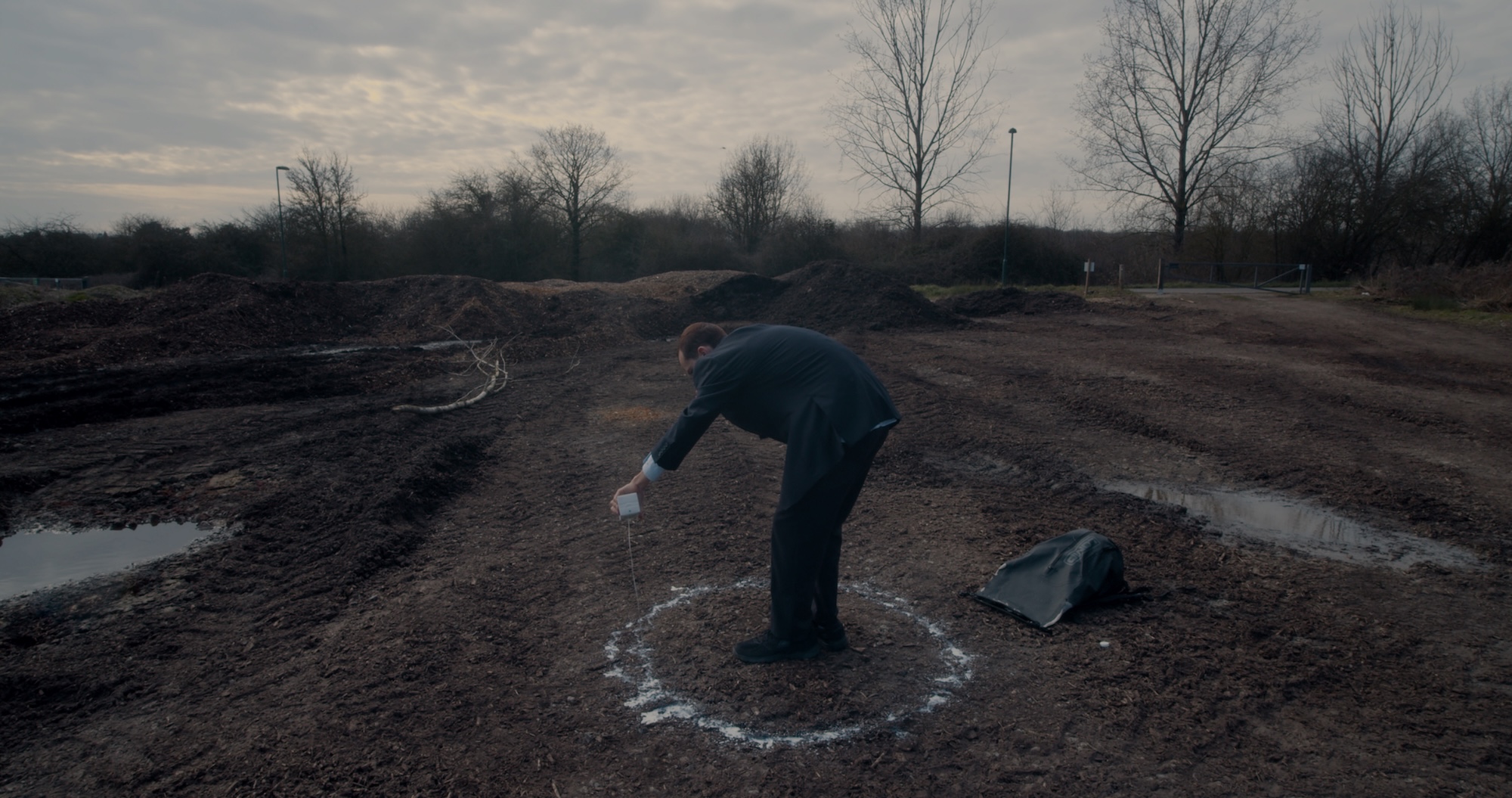
In today’s fast-paced and chaotic world, the quest for harmony in art has taken on new significance. Artists like Jame St Findlay, winner of the Claridge’s RA Schools Art Prize, continue to explore this theme in innovative ways. Findlay’s latest commission, Harmony, presented in collaboration with Claridge’s and the Royal Academy Schools, promises to push the boundaries of artistic expression while maintaining a focus on unity and balance.
As viewers, we are invited to contemplate the importance of harmony in art and its potential to inspire reflection, introspection, and connection. Through Findlay’s work and the tradition of artists who have come before, we are reminded of the enduring power of art to bring beauty and balance to our lives.