by jsendak | Apr 17, 2025 | Art, News
The Future Trends of the Museum Industry: Predictions and Recommendations
The departure of Heidi Zuckerman, CEO and director of the Orange County Museum of Art (OCMA), marks the end of a period of growth and success for the institution. During her tenure, Zuckerman spearheaded key initiatives that brought significant advancements in funding, acquisitions, and visitor engagement. As the museum looks towards the future, it is crucial to consider potential trends and developments in the industry. This article will analyze these themes, make predictions for the future, and provide recommendations for the museum industry.
1. Embracing Technological Advancements
In recent years, the integration of technology has revolutionized the museum experience. Augmented reality (AR), virtual reality (VR), and interactive displays have become increasingly popular. To keep pace with the evolving digital landscape, museums should invest in innovative technologies to enhance visitor engagement.
Prediction: In the future, museums will further explore the possibilities of virtual exhibitions and immersive experiences. AR and VR technologies will enable visitors to engage with art in novel ways, even from remote locations. Museums could also utilize artificial intelligence (AI) to personalize visitor experiences and provide curated recommendations based on individual preferences.
Recommendation: Museums should allocate resources to research and development, collaborating with technology companies to create interactive and immersive experiences. Additionally, they should invest in user-friendly mobile applications to provide virtual tours and enhance visitor education and engagement.
2. Emphasizing Diversity and Inclusivity
The movement towards diversity and inclusivity has been gaining momentum in recent years, challenging museums to be more representative and accessible. Museums must reflect the demographics of their communities and acknowledge marginalized voices.
Prediction: In the coming years, museums will continue to prioritize diversity and inclusivity in their programming, collections, and staffing. They will make concerted efforts to include underrepresented artists and exhibit artwork that explores various cultural perspectives. Museums will also strive to create more accessible physical spaces, accommodating visitors with disabilities.
Recommendation: Museums should actively seek partnerships with diverse communities and organizations to ensure authentic representation. Curators and educators should receive training in cultural sensitivity and work towards creating inclusive exhibitions and programs. Additionally, museums should invest in accessibility features, such as captioning and audio descriptions, to make their collections accessible to all.
3. Sustainable Practices and Environmental Stewardship
The urgency of climate change has prompted many industries, including museums, to adopt sustainable practices. Museums have a unique role in educating the public about environmental issues and becoming leaders in sustainability.
Prediction: Sustainability will become an integral part of the museum industry, with institutions actively working towards reducing their carbon footprint. Museums will prioritize eco-friendly construction and energy-efficient operations. They will also incorporate sustainability-themed exhibitions and educational programs to raise awareness about environmental stewardship.
Recommendation: Museums should prioritize sustainability in all aspects of their operations, from construction and maintenance to visitor amenities. Implementing renewable energy sources, reducing waste, and promoting environmentally friendly transportation options will demonstrate a commitment to a sustainable future. Exhibitions and educational programs focusing on environmental issues should be developed in collaboration with experts in the field.
Conclusion
As Heidi Zuckerman steps down as CEO and director of OCMA, the museum industry should prepare for the future by anticipating and embracing potential trends. The integration of technology, emphasis on diversity and inclusivity, and commitment to sustainable practices will shape the museums of tomorrow. By investing in innovative technologies, prioritizing diversity and inclusivity, and adopting sustainable practices, museums can remain relevant, engaging, and impactful for years to come.
References:
- Walleston, A. (2025, December 9). Orange County Museum of Art director Heidi Zuckerman to step down. Artforum. Retrieved from https://www.artforum.com/news/orange-county-museum-of-art-director-heidi-zuckerman-to-step-down-87171
- California Arts Council. (n.d.). Museum Tech Trends: Museums of the Future. Retrieved from http://www.cac.ca.gov/resources/museumstechtrendguide.php
- Butler, L. (2019, March 21). The Growing Importance of Diversity and Inclusion in Museums. MuseumNext. Retrieved from https://www.museumnext.com/article/the-growing-importance-of-diversity-inclusion-in-museums/
- Crowley, K. (2020, July 3). 12 Ways Museums Are Going Green. Artsy. Retrieved from https://www.artsy.net/article/artsy-editorial-12-ways-museums-green

by jsendak | Apr 16, 2025 | News
Exploring the Underlying Themes of Powell’s Warning on Tariffs and Proposing Innovative Solutions
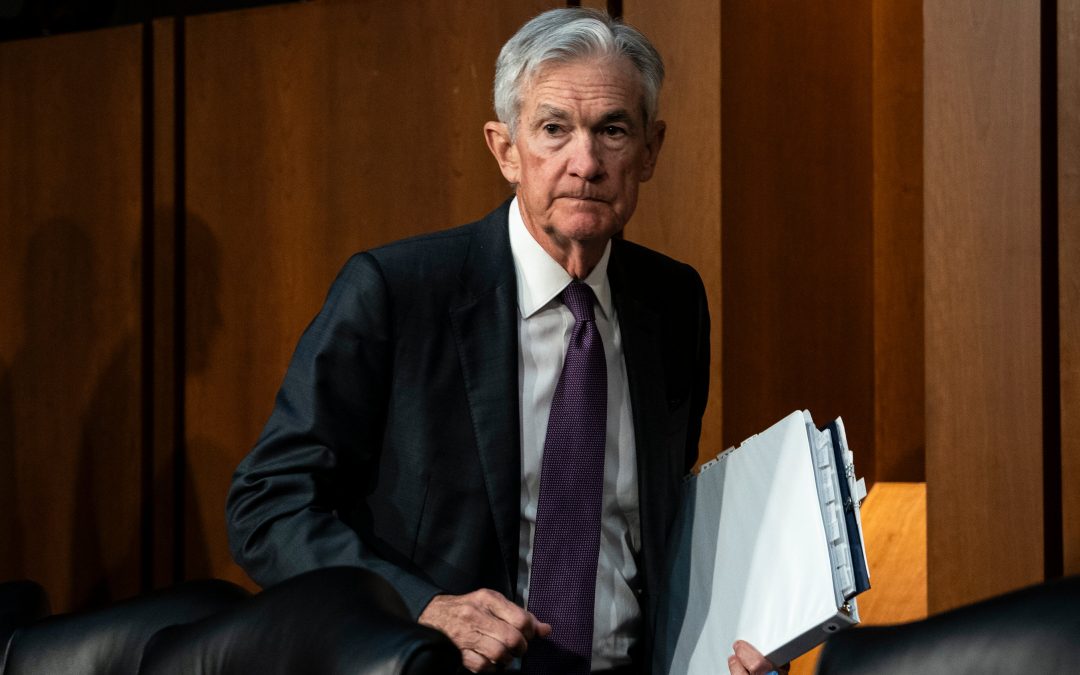
In recent news, Jerome H. Powell, the Chair of the U.S. Federal Reserve, issued a warning stating that the tariffs imposed by President Trump could potentially lead to a “challenging scenario.” Powell highlighted the potential consequences of higher inflation and slower economic growth as a result of these tariffs. This development has sparked discussions on the underlying themes and concepts behind such warnings and how innovative solutions and ideas could be implemented to counter potential negative effects.
The Balance Between Protectionism and Free Trade
One of the underlying themes in Powell’s warning is the delicate balance between protectionism and free trade. While protectionist policies seek to shield domestic industries from foreign competition, they can also lead to retaliation from other countries, hindering global economic growth. Trump’s tariffs, which were imposed to protect domestic industries and enhance national security, have sparked a trade war with China and other nations.
To address this issue, it is essential to find innovative solutions that strike a balance between protecting domestic industries and maintaining open trade. One possible approach could be investing in research and development to enhance competitiveness and productivity in domestic industries. By fostering innovation, companies can maintain a competitive edge globally, reducing the need for protectionist measures.
The Impact on Inflation and Economic Growth
Another theme highlighted by Powell’s warning is the potential impact of tariffs on inflation and economic growth. Tariffs can drive up the cost of imported goods, leading to higher prices for consumers. This could fuel inflation, making it challenging for central banks to maintain stable prices. Furthermore, slower economic growth can result from reduced international trade and uncertainties caused by trade tensions.
To address these concerns, innovative ideas can be put forward. Governments could invest more heavily in domestic industries and infrastructure to stimulate economic growth. Additionally, promoting diversification of trade partners and markets can help mitigate the negative effects of trade tensions with specific countries, ensuring a more stable and resilient economy.
The Importance of Dialogue and Cooperative Approaches
A crucial concept underlying Powell’s warning is the significance of dialogue and cooperative approaches. Engaging in open discussions with trading partners and finding mutually beneficial solutions is key to prevent further escalation of trade disputes. Cooperation instead of confrontation can lead to innovative solutions that address the concerns of all parties involved.
One way to foster dialogue and cooperation is through the establishment of international forums or organizations dedicated to resolving trade disputes. These platforms can provide a neutral ground for negotiations and enable countries to find common ground. By encouraging open communication channels, innovative and mutually beneficial solutions can be proposed, ensuring a harmonious global trade environment.
“The challenges posed by tariffs require innovative solutions that strike a balance between protectionism and open trade, stimulate economic growth, and promote dialogue and cooperation among nations.”
In conclusion, Jerome H. Powell’s warning about the potential consequences of Trump’s tariffs highlights significant themes including the balance between protectionism and free trade, the impact on inflation and economic growth, and the importance of dialogue and cooperative approaches. To counter these potential challenges, adopting innovative solutions such as investing in research and development, diversifying trade partners and markets, and establishing international forums can pave the way for a more prosperous and sustainable trade environment.
Read the original article
by jsendak | Apr 16, 2025 | Art, News
An Analysis of Key Points
- President Trump’s administration has cut funding to the National Endowment for the Humanities (NEH) and humanities councils, impacting plans for America’s 250th anniversary celebration in 2026.
- Artist Dina Khaled Zaurub was killed in an airstrike in Gaza. She was known for her portraits of Palestinians affected by the Israeli-Hamas conflict.
- Art Innovation Gallery allegedly pressured artist Badiucao to remain silent about a political message in his artwork. Index on Censorship has condemned the gallery’s actions.
- Iranian artist Kamran Katouzian has passed away at the age of 83.
- Contemporary auction sales fell 27% in 2024, but sales of works by women artists and lower-value art rose.
- Sotheby’s is selling works from the estate of Rolf and Margit Weinberg, including pieces from the late 19th century to early abstraction and expressionism.
- The Musée du Quai Branly-Jacques Chirac in Paris is hosting an exhibition that explores the provenance of its artifacts obtained during France’s colonial era, potentially leading to restitution.
Potential Future Trends in the Art Industry
Based on the key points discussed above, several potential future trends can be identified in the art industry:
- Decreased Funding for the Arts: The cuts to the NEH and humanities councils under Trump’s administration highlight a potential trend of decreased funding for the arts. This could have wide-ranging impacts on arts organizations and events, limiting their ability to carry out their missions and plan significant celebrations or initiatives.
- Art as a Form of Political Expression: The pressure exerted on artist Badiucao by the Art Innovation Gallery demonstrates the power of art as a form of political expression. Artists may continue to use their work to communicate messages and comment on social and political issues, sometimes facing pushback or censorship from authorities or institutions.
- Increased Focus on Social Justice and Restitution: The exhibition at the Musée du Quai Branly-Jacques Chirac highlights the growing focus on social justice and restitution in the art world. Museums and institutions may face increased scrutiny over the provenance of their collections, potentially leading to calls for repatriation or restitution of artifacts obtained through colonialism or other oppressive means.
- Emergence of Regional Art Markets: The decline in contemporary auction sales may indicate a shift towards regional art markets, with sales in New York still seeing some growth. This could lead to a more decentralized art market, where artists from various regions gain increased visibility and recognition.
- Increased Emphasis on Underrepresented Artists: The rise in sales of works by women artists and lower-value art suggests an increased emphasis on underrepresented artists. Collectors and buyers may seek out artists who have historically been overlooked or undervalued, leading to a more inclusive and diverse art market.
Predictions and Recommendations
Based on these potential future trends, several predictions and recommendations can be made for the art industry:
- Advocate for Increased Arts Funding: Arts organizations and individuals in the industry should advocate for increased funding for the arts, recognizing its importance in society and the positive impact it can have on communities. Engaging in conversations with policymakers and supporting organizations like the NEH can help ensure the sustainability of the arts.
- Promote Freedom of Expression: Artists, galleries, and institutions should work to create an environment that supports freedom of expression and artistic integrity. Encouraging dialogue and understanding around controversial or political artwork can help foster a culture that values diverse perspectives and artistic autonomy.
- Support Restitution Efforts: Museums and institutions should actively engage in research, dialogue, and transparency regarding the provenance of their collections. Proactively addressing any potential restitution issues and working towards fair and just solutions can help rebuild trust and promote social justice within the art world.
- Nurture Regional Art Scenes: The art industry should continue to support and promote regional art scenes, recognizing the unique voices and perspectives they bring to the global art landscape. Investing in local art communities, organizing regional art fairs or exhibitions, and providing platforms for artists from underrepresented regions can help create a more diverse and inclusive art market.
- Encourage Diversity and Inclusion: Collectors, galleries, and curators should actively seek out and promote artists from diverse backgrounds, ensuring equal representation and recognition. Making an effort to include artists of all genders, ethnicities, and backgrounds can lead to a more inclusive and vibrant art industry.
References
- Artnet News, “Art Innovation Gallery Pressured Dissident Chinese Artist Badiucao to Keep Silent,” Accessed [Insert Date], Available at: [Insert URL]
- South China Morning Press, “Chinese Dissident Artist Badiucao Accuses Italian Gallery of Spreading Misinformation,” Accessed [Insert Date], Available at: [Insert URL]
- ArtAsiaPacific, “Prominent Iranian Artist Kamran Katouzian Passes Away,” Accessed [Insert Date], Available at: [Insert URL]
- ARTnews, “Hiscox Artists Top 100 Reports Decrease in Auction Sales,” Accessed [Insert Date], Available at: [Insert URL]
- ARTnews, “Sotheby’s to Auction Works from Estate of Rolf and Margit Weinberg,” Accessed [Insert Date], Available at: [Insert URL]
- Le Monde, “Musée du Quai Branly-Jacques Chirac Exhibition Explores Provenance of Artifacts,” Accessed [Insert Date], Available at: [Insert URL]
by jsendak | Apr 15, 2025 | News
The Meta Chief Executive: Examining the Antitrust Trial Through an Innovative Lens
In a landmark antitrust trial, the Chief Executive Officer of Meta (formerly Facebook) recently testified, leaving spectators pondering the underlying themes and concepts at play. As the trial delves into Meta’s alleged anticompetitive practices, it becomes crucial to explore this issue from a fresh perspective and propose innovative solutions.
Unveiling the Challenges
Throughout the trial, one cannot help but notice how the Meta CEO artfully evaded questions regarding the company’s intentions to stifle its competitors. This raises crucial questions about the balance between market dominance and healthy competition.
While antitrust laws exist to protect fair competition and prevent monopolistic practices, some argue that the boundary between market dominance and anti-competitive behavior is becoming increasingly blurred. To tackle this issue effectively, we must examine the underlying concepts and challenge existing paradigms.
Redefining the Playing Field
It is time for a paradigm shift in the way we view competition in the digital landscape. Rather than simply focusing on dismantling the market power of dominant players, we should explore innovative approaches that promote healthy competition without inhibiting technological progress.
An innovative solution involves fostering a collaborative ecosystem, where industry giants, startups, and consumers form symbiotic partnerships. By encouraging interoperability between platforms and data sharing, we can promote new entrants’ ability to challenge established players effectively. This approach enables competition while still harnessing the benefits of scale and innovation derived from market leaders.
Rethinking Regulation
Regulatory bodies must adapt to the rapidly evolving digital landscape by adopting flexible frameworks that foster competition and innovation. Traditional regulations often lag behind technological advancements, struggling to address emerging challenges effectively.
An innovative regulatory framework should incentivize ethical behavior and promote market dynamics that encourage fair competition. By considering factors such as data portability, privacy, and consumer protection, regulators can create an environment where dominants players are motivated to compete on merit rather than stifling competition through exclusionary practices.
The Power of Collaboration
Lastly, to address concerns surrounding the Meta CEO’s testimony, stakeholders must come together to foster open dialogue and collaboration. By promoting transparency and facilitating constructive conversations, we can bridge the divide between dominant players and potential competitors.
Collaboration can also extend to partnerships between regulators, industry experts, and technology companies. By leveraging collective knowledge and expertise, these stakeholders can better understand the intricacies of the digital landscape and devise effective solutions to promote fair competition.
Innovation thrives in an environment where competition is encouraged, and monopolistic practices are curtailed.
Conclusion
As the antitrust trial surrounding Meta unfolds, it is crucial to approach the issue with fresh perspectives and innovative ideas. By redefining competition, rethinking regulation, and fostering collaboration, we can create a digital landscape that benefits both established players and emerging competitors alike.
By pushing the boundaries of traditional paradigms and embracing change, we can strike a delicate balance that allows for healthy competition to fuel innovation and progress, while ensuring consumer choice and protection.
Read the original article
by jsendak | Apr 14, 2025 | News
The Antitrust Trial: A New Path for the Tech Giant
On Monday, the tech giant found itself under scrutiny as it faced an antitrust trial that could potentially redefine its future business landscape. The trial, centered around its acquisitions of Instagram and WhatsApp, brings to light important themes and concepts that deserve our attention. As we explore the underlying issues, we can propose innovative solutions and ideas that could pave the way for a transformed tech industry.
The Power of Acquisitions
One of the key themes that emerges from this trial is the immense power of acquisitions in the tech world. By acquiring Instagram and WhatsApp, the tech giant expanded its reach and consolidated its position as a dominant player in the industry. However, this power has raised concerns about unfair competition and market manipulation. By diving into this issue, we can uncover new ways to regulate acquisitions and promote a more competitive and diverse ecosystem.
The Role of Data Privacy
Another crucial concept that comes to the forefront is the role of data privacy in the tech industry. With the acquisitions of Instagram and WhatsApp, the tech giant gained access to an unprecedented amount of user data. This data, if improperly used or mishandled, can lead to privacy breaches and concerns. Addressing this issue can lead to groundbreaking solutions that prioritize user privacy and data protection, while still allowing for innovation and growth in the tech sector.
Redefining Monopoly Power
The antitrust trial also challenges our understanding of monopoly power within the tech industry. Traditional notions of monopoly were often tied to the control of physical resources or infrastructure. However, in this era of digital dominance, the control over user data and access to platforms can be just as influential. By redefining our understanding of monopoly power in the digital age, we can devise effective regulations that maintain a level playing field for all players in the market.
Paving the Way for a Transformed Tech Industry
While the trial raises important questions and concerns, it also presents an opportunity for innovation and change. By delving into the underlying themes and concepts, we can propose new solutions and ideas that address the challenges of the modern tech industry. These solutions could include:
- Encouraging Competition: Implementing stricter regulations on acquisitions to prevent the consolidation of power and promote fair competition.
- Enhancing Data Privacy: Enforcing stronger data privacy laws that prioritize user consent and protection, while still allowing for responsible use of data for innovation.
- Promoting Open Platforms: Encouraging the development of open platforms that foster collaboration and competition, reducing the dependence on a single dominant player.
- Supporting Startups: Providing more support and resources to startups to foster innovation and diversify the tech industry, ensuring a thriving ecosystem.
“The antitrust trial challenges our understanding of monopoly power within the tech industry. By redefining our understanding of monopoly power in the digital age, we can devise effective regulations that maintain a level playing field for all players in the market.”
The antitrust trial focused on the tech giant’s acquisitions of Instagram and WhatsApp might reshape its business, but it also offers an opportunity for the entire industry. By critically examining the underlying themes and concepts, proposing innovative solutions, and fostering collaboration, we can pave the way for a transformed tech industry that balances competition, privacy, and innovation.
Read the original article
by jsendak | Apr 13, 2025 | News
The Rise in Prescription Rates: Rethinking Assumptions and Treatment Approaches
In recent years, the number of prescriptions being filled has reached record highs, indicating a growing reliance on medication for various health conditions. However, this trend has prompted experts to question our assumptions about these conditions and explore alternative treatment approaches. As we dive into this topic, it becomes evident that there is a need for innovative solutions and ideas to address the underlying themes and concepts surrounding this issue.
Challenging Assumptions
Traditionally, the medical industry has focused on treating health conditions primarily through pharmaceutical intervention. While medications undoubtedly play a pivotal role in managing and treating certain illnesses, it is essential to reflect on whether our assumptions about various conditions and their treatment are accurate and comprehensive.
One underlying theme that needs reconsideration is the idea that medication alone is the most effective solution. This assumption may overlook the potential impact of non-pharmacological interventions such as lifestyle changes, dietary adjustments, and psychological therapies. By recognizing the multi-faceted nature of health issues, we can explore a more holistic approach to treatment.
Understanding the Context
Contextualizing the rise in prescription rates is crucial to gaining a deeper understanding of the issue at hand. It is vital to recognize the influence of factors such as marketing strategies, profit-driven motivations, and cultural beliefs on the increased reliance on medication. By acknowledging these contextual dimensions, we can examine the complex relationship between patient needs and pharmaceutical interventions.
Furthermore, by exploring the social determinants of health, we can identify the underlying causes that contribute to the development of certain conditions. By addressing these root causes, we can potentially mitigate the need for excessive medication use in the first place.
Redefining Treatment Approaches
Given the emerging questions and the need for innovative solutions, it is time to redefine treatment approaches by seeking alternatives to medication-centric models. This shift could involve a stronger emphasis on prevention, early intervention, and non-pharmacological interventions.
Preventive measures, such as education on healthy lifestyles, promoting physical activity, and fostering mental well-being, can significantly reduce the prevalence of certain conditions. Empowering individuals to take control of their health and providing them with the necessary resources can play a pivotal role in reducing the need for medication in the long run.
Early intervention is another critical aspect of redefining treatment approaches. By identifying health conditions at their inception and addressing them promptly through targeted interventions, healthcare providers can potentially mitigate the need for extensive medication use later on.
Non-pharmacological interventions should also be given more prominence in treatment plans. Incorporating lifestyle changes, dietary adjustments, and psychological therapies can complement medication, potentially leading to better outcomes for patients. By recognizing the value of these interventions, we can move towards a more personalized and comprehensive approach to treatment.
Innovation and Collaboration
To successfully address the underlying themes and concepts surrounding rising prescription rates, it is crucial to foster innovation and collaboration among various stakeholders. This includes healthcare providers, researchers, policymakers, and patients alike. By engaging in interdisciplinary discussions, sharing knowledge, and encouraging open-mindedness, we can collectively come up with novel solutions that challenge existing assumptions.
It is time to shift our focus from a medication-dominated approach to a more holistic and comprehensive model that incorporates prevention, early intervention, and non-pharmacological treatments. By doing so, we can pave the way for a future where medications are used judiciously and in conjunction with other evidence-based interventions to optimize patient outcomes.
Read the original article