by jsendak | Apr 13, 2025 | Art, News
Potential Future Trends for the Qatar Pavilion at the Venice Biennale
Qatar has recently selected Lina Ghotmeh as the architect to create the permanent Qatar Pavilion for the Venice Biennale, which will be located in the Giardini. This selection has sparked interest in the potential future trends related to this project and what it means for the architecture and cultural industries. The key points to analyze include Ghotmeh’s design philosophy, the vision for the pavilion, and her past successful projects.
Design Philosophy
Lina Ghotmeh describes her design philosophy as presenting an “Archeology of the Future.” She believes in a research-driven approach, where innovative and sensitive designs are deeply rooted in history and materiality. This philosophy promotes resilience, sustainability, and a deeper connection between architecture, nature, and communities.
Vision for the Pavilion
The Qatar Pavilion at the Venice Biennale aims to be a platform for the artistic, architectural, and cultural creativity of Qatar and the Middle East, North Africa, and South Asia. It seeks to inspire both new and traditional audiences with its sensitivity to the human condition and its innovative flair. The pavilion will act as a cultural bridge between Qatar and the global community and foster a deeper understanding and appreciation of the region’s art and architecture.
Past Successful Projects
Ghotmeh’s past successful projects demonstrate her expertise and creativity in designing impactful and meaningful spaces. The Estonian National Museum in Tartu, which she completed in 2016, won several prestigious awards and recognition for its architectural clarity and thoughtful response to its context. Her other notable projects include the Palais de Tokyo’s Les Grands Verres restaurant, the Stone Garden Housing building in Beirut, the Hermès Workshops in Normandy, and the upcoming Serpentine Pavilion in London. These projects showcase her ability to create spaces that engage with the public realm and blend seamlessly with their surroundings.
Predictions and Recommendations for the Industry
Based on the key points discussed, it is clear that the Qatar Pavilion at the Venice Biennale will play a significant role in shaping the future of the architecture and cultural industries. Here are some predictions and recommendations for the industry:
1. Embracing Research-Driven Approaches
Ghotmeh’s design philosophy of presenting an “Archeology of the Future” highlights the importance of research and innovation in architectural design. To stay relevant and impactful, architects should embrace research-driven approaches that integrate history, materiality, and sustainability into their designs. This will not only create visually stunning structures but also contribute to the long-term resilience of built environments.
2. Fostering Cultural Bridges
The Qatar Pavilion’s vision to act as a cultural bridge between Qatar and the global community is a valuable concept that can be applied to other architectural projects. Architects should strive to design spaces that promote cultural exchange, understanding, and appreciation. By creating venues that showcase diverse cultures and artistic expressions, architects can contribute to fostering a more inclusive and interconnected world.
3. Engaging with the Public Realm
Ghotmeh’s ability to design spaces that engage with the public realm is something that architects should prioritize. Spaces that seamlessly blend with their surroundings and encourage public interaction can have a transformative impact on communities. Architects should consider how their designs can activate public spaces, promote social interaction, and contribute to the overall well-being of individuals and communities.
Conclusion
The selection of Lina Ghotmeh as the architect for the Qatar Pavilion at the Venice Biennale opens up exciting possibilities for the future of the architecture and cultural industries. Her design philosophy, the vision for the pavilion, and her past successful projects point towards a future where research-driven approaches, cultural bridges, and public engagement play integral roles in architectural design. By embracing these trends, architects can shape the built environment to be more sustainable, inclusive, and impactful.
References:
- https://www.artforum.com/news/lina-ghotmeh-to-design-qatar-pavilion-for-venice-biennale-stands-by-museums-amid-criticism-85116
- https://archinect.com/news/article/150138242/lina-ghotmeh selected-to-design-qatar-pavilion-at-venice-biennale
- https://www.dezeen.com/2022/05/15/lina-ghotmeh-architecture-design-qatar-pavilion-venice-biennale-2023/

by jsendak | Apr 12, 2025 | News
The Holiday of Passover: A Time for Reflection and Empathy
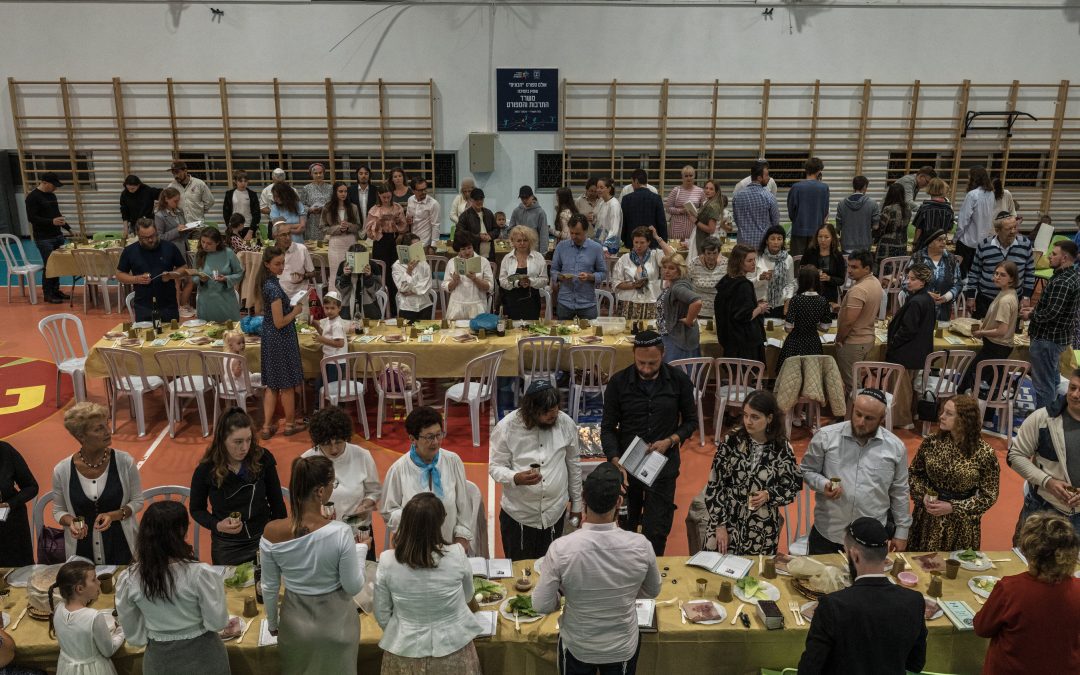
Passover, also known as Pesach, is an annual Jewish holiday that commemorates the liberation of the ancient Israelites from slavery in Egypt. It is a time of joy and celebration, where families gather to retell the story of the Exodus and partake in a traditional Seder meal. However, for many Israelis, the current situation in Gaza serves as a poignant reminder that liberation and freedom are still elusive for some.
The Connection Between Passover and the Suffering in Gaza
Gaza, a small strip of land bordered by Israel and Egypt, has been a hotbed of conflict and suffering for decades. The ongoing Israeli-Palestinian conflict has left many Palestinians in Gaza living in dire conditions, with limited access to basic resources such as clean water, electricity, and healthcare. The high unemployment rates and lack of economic opportunities have further contributed to the despair felt by the residents of Gaza.
As Israelis come together to celebrate Passover, the juxtaposition of their own freedom with the captivity endured by Palestinians in Gaza is jarring. The underlying theme of liberation that permeates the holiday takes on new meaning, as Israelis grapple with the reality that not all are afforded the same freedom and opportunity.
Redefining the Meaning of Liberation
Passover is a time for reflection, and this year, it presents an opportunity for Israelis to redefine the meaning of liberation. It calls for a broader understanding of freedom that extends beyond national boundaries and encompasses empathy and compassion for those who are still oppressed.
Instead of focusing solely on their own liberation from Egypt thousands of years ago, Israelis can embrace the responsibility of working towards a more inclusive and just society for all. This means acknowledging the suffering in Gaza and supporting efforts that seek to alleviate the humanitarian crisis in the region.
Proposing Innovative Solutions and Ideas
Passover teaches us the value of freedom and the importance of standing up against oppression. Here are some innovative solutions and ideas that can help bridge the gap and promote a more equitable future:
- Dialogue and Understanding: Encouraging open and honest conversations between Israelis and Palestinians can foster understanding and empathy. This can be done through educational programs, cultural exchanges, and grassroots initiatives.
- Investment in Infrastructure: International collaboration to improve the infrastructure in Gaza, such as water and electricity systems, can greatly improve the quality of life for Palestinians. This investment can come from governments, NGOs, and private entities.
- Promoting Economic Development: Supporting entrepreneurship and creating economic opportunities for Palestinians can uplift communities and provide a sense of hope for the future. This can be achieved through initiatives that focus on skill-building, microfinance, and business development.
- Advocacy and Humanitarian Aid: Raising awareness about the situation in Gaza and advocating for the delivery of humanitarian aid can make a tangible impact on the lives of Palestinians. Supporting organizations that provide vital resources and services is a crucial step in alleviating the suffering.
Passover serves as a reminder that liberation is an ongoing process. As we celebrate our own freedom, let us also work towards a world where all people can experience true liberation and live without oppression.
Conclusion
Passover is a time of historical reflection, but it is also a call to action. The suffering of captives in Gaza should not dim the joy of liberation, but rather inspire efforts to extend freedom and empathy to all. By redefining the meaning of liberation and proposing innovative solutions, Israelis can play a crucial role in fostering a more inclusive and just society. Let us seize this opportunity to bridge the gap and work towards a world where freedom is not just a holiday celebration, but a reality for all.
Read the original article
by jsendak | Apr 12, 2025 | Art, News
The key points of the text are as follows:
1. The National Endowment for the Humanities (NEH) has redirected a portion of its funding to support President Trump’s National Garden of American Heroes project.
2. This decision was made after the agency canceled most of its existing grant programs and terminated funding for grant recipients.
3. The NEH is facing potential budget cuts and staff reductions, which could impact its ability to continue supporting creative endeavors.
4. The NEH has been a significant source of funding for museums, monuments, educational programs, and cultural organizations across the United States.
5. Representative Chellie Pingree has criticized the termination of grants as ideological targeting without input from Congress or the public.
Potential Future Trends and Predictions:
1. Decreased Funding for Arts and Humanities: The redirection of funds from the NEH to the National Garden of American Heroes indicates a shift in federal priorities away from arts and humanities. This could be a sign of a future trend where arts and cultural programs receive reduced funding.
2. Focus on Patriotism and National Identity: President Trump’s emphasis on patriotism and aligning arts and culture with his interpretation of patriotism may influence future trends in arts and cultural initiatives. There could be an increased demand for projects that promote American patriotism and highlight national heroes.
3. Increased Reliance on Private Philanthropy: With potential budget cuts and staff reductions at the NEH, cultural organizations in states without a vibrant philanthropic community or arts infrastructure may have to heavily rely on private philanthropy for funding. This could lead to more partnerships between cultural institutions and private donors.
4. Greater Political Influence on Arts Funding: The termination of grants without input from Congress or the public suggests a potential future trend where political ideologies have a stronger influence on arts funding decisions. This could create challenges for organizations whose projects do not align with the current administration’s priorities.
Recommendations for the Industry:
1. Diversify Funding Sources: Cultural organizations should consider diversifying their funding sources by seeking private philanthropy, corporate sponsorships, and crowdfunding initiatives. This can help mitigate potential funding cuts from federal agencies.
2. Research and Adapt to Changing Priorities: Stay informed about the shifting priorities of federal agencies and adapt project proposals and initiatives accordingly. Identifying ways to align projects with patriotic themes and national identity could increase the chances of receiving funding.
3. Advocate for Arts Funding: Cultural organizations and individuals passionate about the arts should engage in advocacy efforts to emphasize the importance of arts and humanities in society. Building support from the public and Congress can help secure funding and prevent ideological targeting.
4. Foster Collaboration: Cultural organizations should collaborate with one another to pool resources and share expertise. By working together, organizations can leverage their collective strengths to navigate potential challenges and sustain their programs.
In conclusion, the potential future trends related to the NEH’s funding redirection and grant terminations suggest a shifting landscape for the arts and humanities in the United States. Decreased funding, an emphasis on patriotism, increased reliance on private philanthropy, and greater political influence on arts funding are all possible developments. To thrive in this changing environment, cultural organizations should diversify funding sources, adapt to shifting priorities, advocate for arts funding, and foster collaboration. By doing so, they can navigate potential challenges and continue to contribute to the cultural landscape of the country.
References:
– New York Times: https://www.nytimes.com/2021/01/22/arts/trump-garden-neh.html
by jsendak | Apr 11, 2025 | News
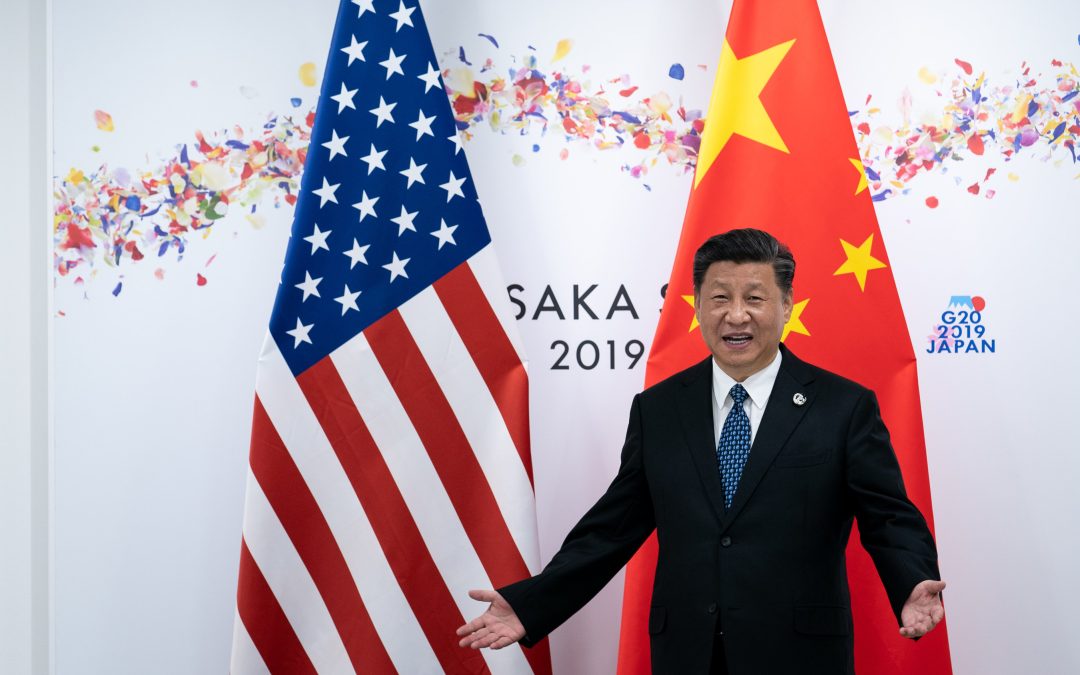
Xi Jinping and China’s Tariff Confrontation with President Trump: Is the Pain Worth It?
China and the United States have been engaged in a tariff confrontation for quite some time now, with neither side willing to back down. President Xi Jinping has taken a firm stance, refusing to yield to President Trump’s demands. However, as the trade war escalates, it becomes essential for the Chinese government to convince its people that the pain endured during this period is worth it.
Economic Impact
The underlying theme of this confrontation is the economic impact it has on both nations. Tariffs imposed by the United States on Chinese goods have led to higher prices for American consumers, affecting their purchasing power. On the other hand, China has witnessed a decline in its exports to the United States, creating a significant blow to its economy.
It is crucial for Xi Jinping to address these concerns and provide clear explanations of the long-term benefits that can emerge from this confrontation. He must emphasize that by standing firm against the United States, China is protecting its domestic industries, creating a stronger economic foundation, and ensuring sustainable growth in the future.
National Pride and Sovereignty
Another underlying theme in this confrontation is national pride and sovereignty. President Xi Jinping has been promoting a sense of Chinese nationalism and unity, fueling the notion that China will not be dictated by external forces, especially the United States.
By framing the tariff confrontation as a battle for China’s sovereignty, Xi Jinping can tap into the patriotic sentiments of the Chinese people. Highlighting the need for a self-reliant China, he can rally support by emphasizing that enduring short-term pain is necessary for long-term prosperity and global dominance.
Solutions and Innovative Ideas
In order to convince the Chinese people that the pain of the tariff confrontation is worth it, Xi Jinping should consider the following innovative solutions:
- Investment in Domestic Industries: By heavily investing in domestic industries and supporting technological advancements, China can reduce its reliance on foreign imports. This will not only boost national pride but also create a competitive edge in the global market.
- Promotion of Alternative Markets: China can diversify its exports by actively seeking and developing new trade partnerships. By showcasing its products and services in emerging markets, China can reduce its dependence on the United States and mitigate the impact of the tariff confrontation.
- Strengthening Diplomatic Relations: By actively engaging in dialogue with other nations, China can garner international support and build strong alliances that can help counter the effects of the tariff confrontation. This will showcase China’s willingness to resolve issues diplomatically and protect its economic interests.
“It is essential for Xi Jinping to address concerns and provide clear explanations of the long-term benefits that can emerge from this confrontation.”
In conclusion, Xi Jinping’s refusal to back down in China’s tariff confrontation with President Trump requires convincing the Chinese people that the pain endured during this period is worth it. By highlighting the economic impact, national pride, and sovereignty, Xi Jinping can rally support. Moreover, investing in domestic industries, promoting alternative markets, and strengthening diplomatic relations can pave the way for a successful outcome and ensure long-term prosperity for China.
Read the original article
by jsendak | Apr 10, 2025 | Art, News
by jsendak | Apr 10, 2025 | News
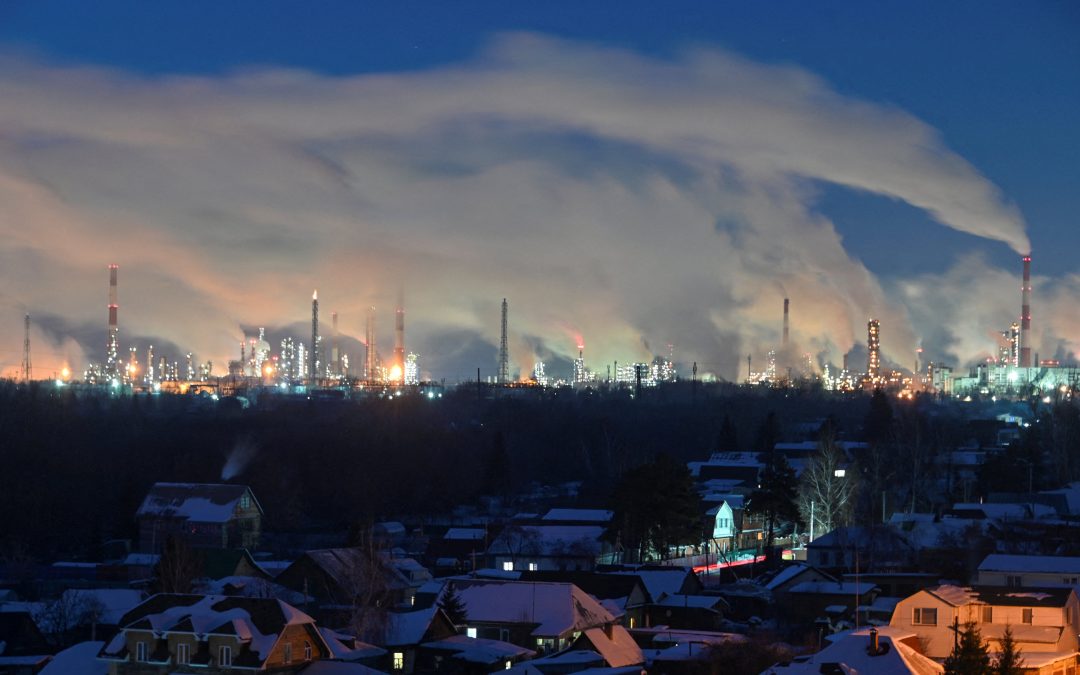
Exploring the Impact of President Trump’s Trade War on Oil Prices and its Potential Consequences for the Russian Economy
The ongoing trade war between the United States and various countries, notably China, has sent ripples through the global economy. While the impacts of this war have been widely discussed, an interesting perspective emerges when we examine its potential effects on oil prices and how this might affect the Russian economy.
Oil has always played a significant role in world politics and has often been a key driver of economic growth for oil-exporting nations. One of these nations is Russia, which heavily relies on oil exports to sustain its economy. Therefore, any fluctuations in oil prices, whether caused by geopolitical tensions or external factors, can have profound implications for Russia’s economic stability.
President Trump’s trade war has led to a slowdown in global trade and has strained relationships with some of the world’s major economies. As a result, it has contributed to a decrease in oil demand, which has driven down prices. This downward pressure on oil prices has overshadowed the impact of the penalties imposed by the United States and its allies on Russia.
Historically, Russia has been subject to economic sanctions due to its geopolitical actions, including annexing Crimea and supporting separatist movements in Ukraine. These penalties have targeted Russian industries, restricting access to international markets and technology, stifling economic growth, and negatively impacting its currency.
However, the trade war-induced decrease in oil prices might have a more significant and immediate impact on Russia’s economy than these penalties. The decline in prices reduces the revenue generated from oil exports, placing pressure on the Russian government to find alternative sources of income to sustain its budget.
One solution to mitigate the potential damage is for Russia to diversify its economy and reduce its dependence on oil exports. The government can invest in sectors such as technology, renewable energy, and manufacturing to build a more balanced and resilient economy. This shift can stimulate innovation, create new job opportunities, and reduce vulnerability to fluctuations in oil prices.
Additionally, Russia can expand its trading partnerships with countries outside the scope of the trade war, seeking new markets for its exports and fostering economic growth. By diversifying its customer base, Russia can minimize its reliance on specific regions or countries affected by the trade war and reduce its vulnerability to price swings caused by geopolitical tensions.
Furthermore, Russia can foster stronger relations with oil-importing countries that are not major players in the trade war. By forming alliances and partnerships with these nations, Russia can secure stable and reliable markets for its oil exports, ensuring a steady stream of income even in times of global economic uncertainty.
In conclusion,
the trade war instigated by President Trump has caused a decline in oil prices, which could prove more detrimental to the Russian economy than the penalties associated with geopolitical conflicts. To weather this storm, Russia must diversify its economy, tap into new markets, and strengthen ties with non-trade war participants. By doing so, Russia can minimize the impact of falling oil prices and foster sustainable economic growth.
- Focus on diversification: Invest in technology, renewable energy, and manufacturing to build a more balanced economy.
- Expand trading partnerships: Find new markets for exports outside the scope of the trade war.
- Form alliances with oil-importing countries unaffected by the trade war to ensure stable markets.
Read the original article