The art market in recent years has seen a decline in sales at the high end due to a shift in buyer preferences. While sales of lower-priced artworks have increased in volume, multi-million dollar sales have decreased. This trend has led to a growing base and a smaller market summit. This shift may make the market more stable but less appealing to those who were drawn to the high-value sales. Additionally, buyers are taking their time when purchasing art and are favoring private sales over public auctions. This change in buyer behavior may impact the traditional dynamics of the art market, where large presales and VIP art fair days were once common.
The Great Wealth Transfer and a (Possibly) Flush Market
The art market is anticipated to experience a significant influx of artworks as a result of the transfer of wealth from older generations to younger ones. With up to trillion expected to pass down in the next two decades, younger high net-worth individuals will inherit artworks. Surprisingly, survey data suggests that younger collectors are interested in preserving inherited artworks and are keeping them in their collections. However, practical reasons such as limited storage space and inheritance taxes may lead to the sale of these inherited artworks. As governments look to increase revenue, there may be a rise in wealth and inheritance taxes, further incentivizing the sale of artworks to cover these expenses.
Where’s the Party?
The post-pandemic art market has witnessed a desire among high net-worth individuals to attend art-related events. While online art buying has become normalized during the pandemic, in-person events such as gallery exhibitions and art fairs have experienced a welcomed recovery. However, certain event types such as studio visits, live auctions, biennales, and large arts festivals have seen a decline in attendance. HNWIs have adapted their travel patterns, attending more local events in 2024. This shift towards regionality could have an impact on the dynamics of art fairs, with Art Basel becoming more regionally focused. It is also important to note that while the broader high-net-worth public prefers online art purchases, the smaller subset of highly engaged VIP collectors prioritizes in-person interactions and buying experiences.
Predictions and Recommendations for the Art Industry
The future trends in the art market present both challenges and opportunities for the industry. To navigate these changes and thrive in the evolving market, the following predictions and recommendations can be considered:
Focus on the middle market: With a decline in sales at the high end, galleries and art professionals should concentrate their efforts on the middle market. This segment is experiencing growth in sales volume and presents an opportunity for galleries to cater to a wider range of collectors.
Embrace online platforms: While in-person events are making a comeback, online art buying has become a norm for many collectors. Galleries should invest in robust online platforms and enhance their digital presence to cater to the preferences of the wider art-buying public.
Adapt to regional preferences: As the art market becomes more regionally focused, galleries and art fairs should tailor their offerings to the specific preferences and interests of their local audience. Understanding the regional art scene and cultivating relationships with local collectors can lead to greater success.
Provide value beyond art: Given the practical reasons for selling inherited artworks, galleries can offer additional services such as art storage solutions and assistance with inheritance tax planning. By providing value beyond selling artworks, galleries can attract collectors looking for comprehensive art management solutions.
Collaborate with wealth management firms: As the wealth transfer progresses, galleries can forge partnerships with wealth management firms to better understand the needs and motivations of young collectors. By working together, galleries and wealth management firms can develop tailored strategies to preserve and grow art collections.
Overall, while the art market may be going through a challenging period, there are opportunities for growth and adaptation. By understanding the shifting dynamics of the market and aligning strategies with emerging trends, the art industry can navigate the future successfully.
References:
Art Basel and UBS Survey of Global Collecting, 2024
ARTnews: “Art Basel CEO Noah Horowitz on the Art Market’s Shape and Future”
Thematic Preface: Redefining the Art Fair Experience through the Art Car Boot Sale
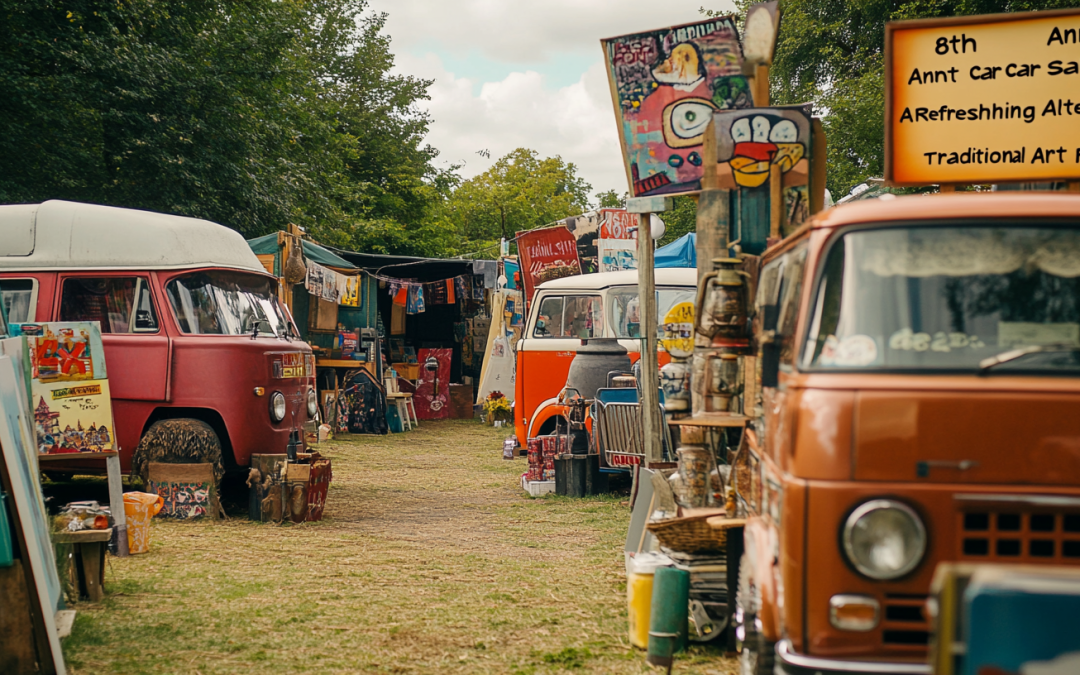
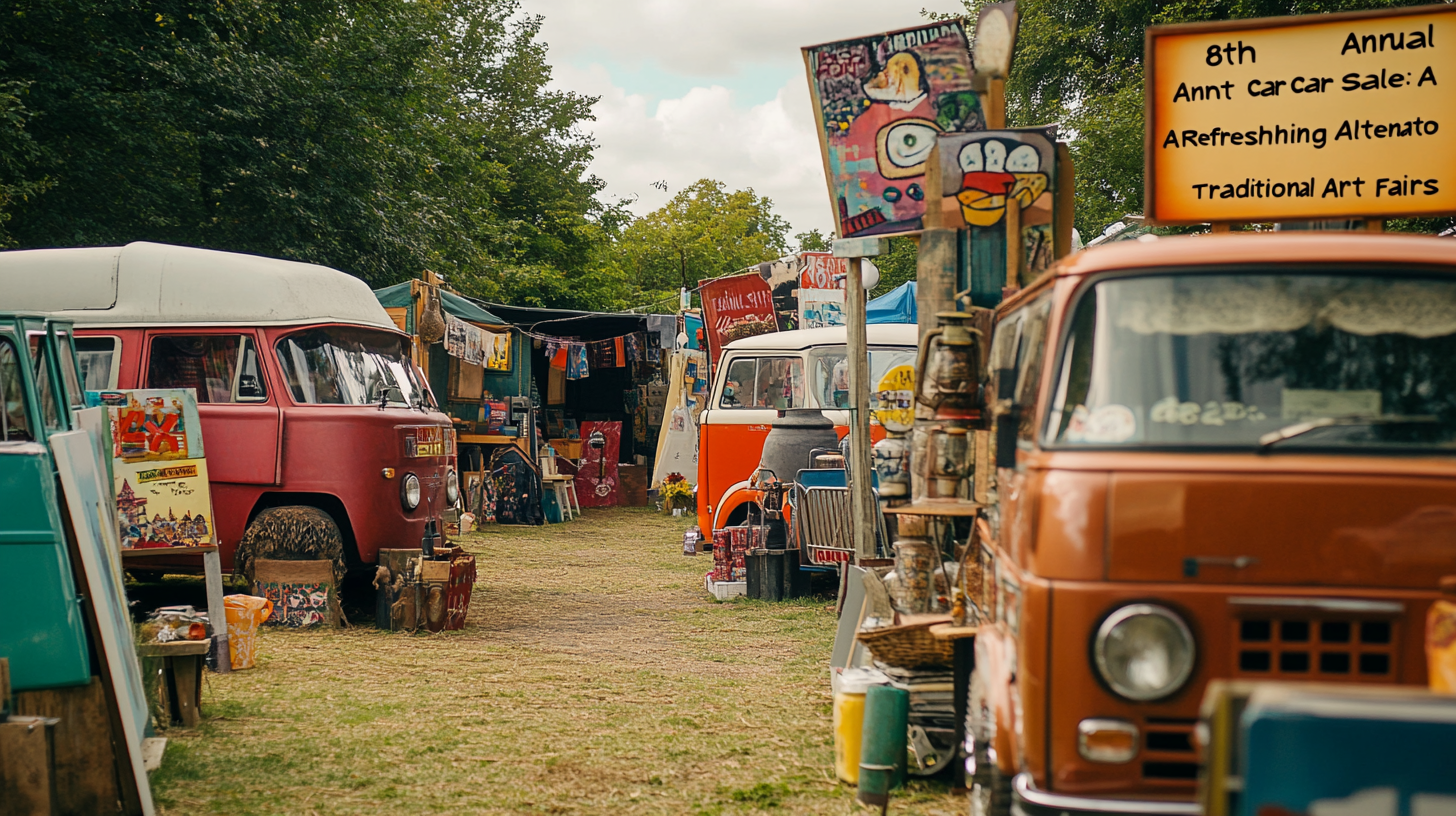
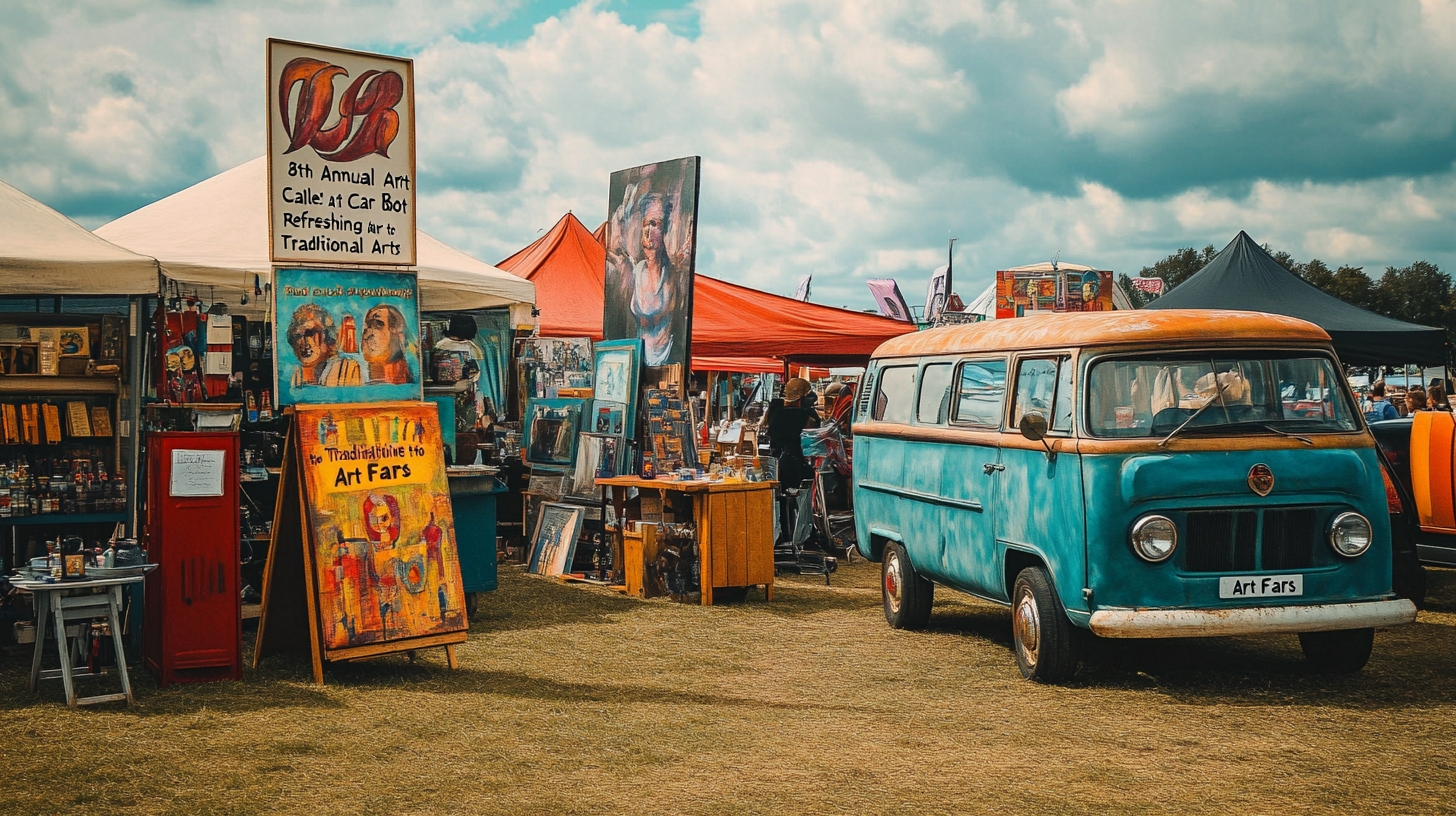
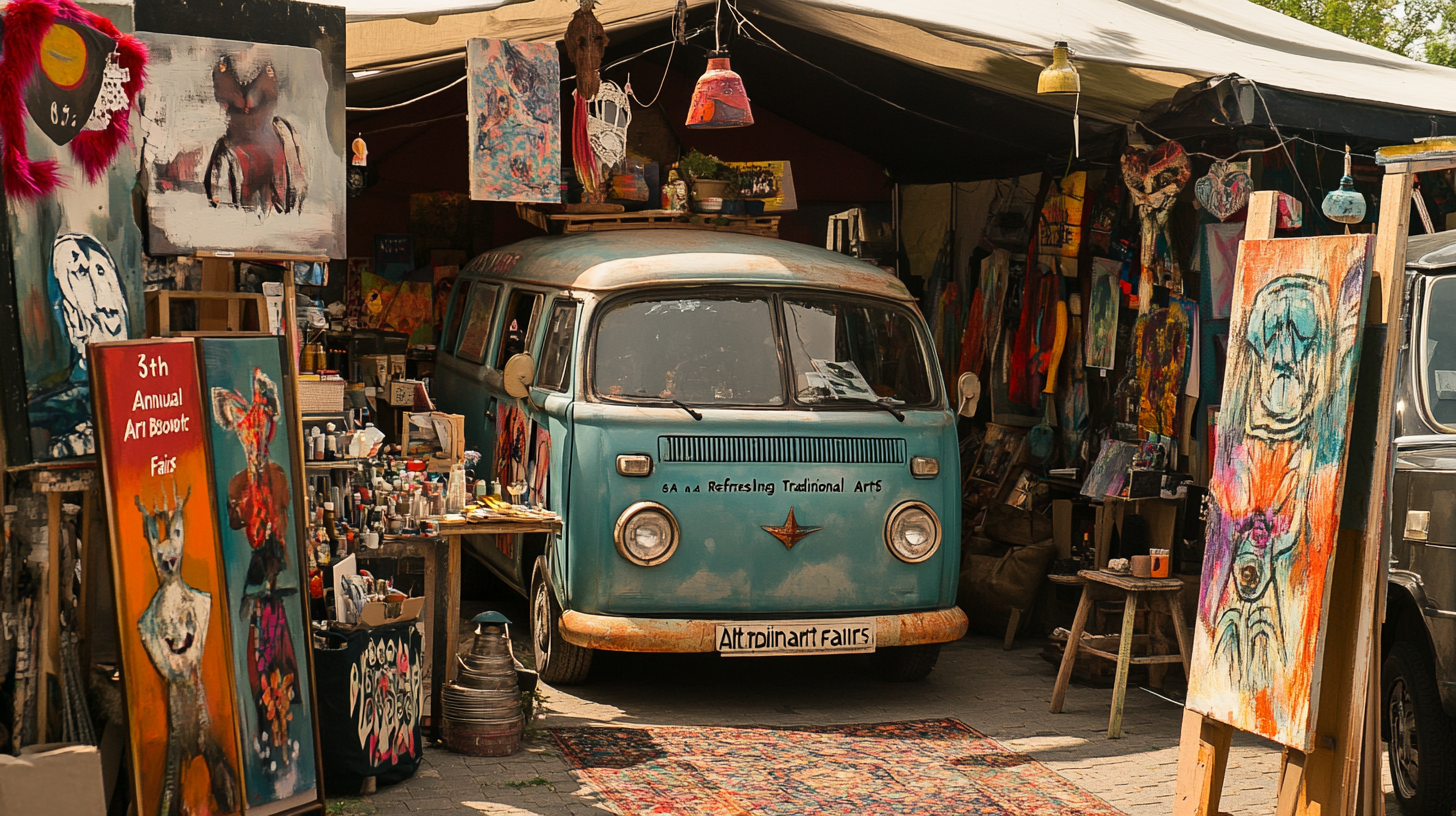
Art fairs have long been a cornerstone of the art world, serving as platforms for artists, collectors, and enthusiasts to connect, showcase, and acquire artwork. These events, often characterized by their grandeur and exclusivity, have shaped the way we perceive and appreciate contemporary art. However, the Art Car Boot Sale, now in its sixth year, challenges the conventional notions of an art fair, offering a refreshing and unconventional experience for both artists and visitors.
Originating in Tramway, Glasgow, Scotland, the Art Car Boot Sale holds the distinction of being one of the largest contemporary art events in the country. It represents a departure from the grandiose displays and thick air of elitism often associated with traditional art fairs. Instead, the Art Car Boot Sale embraces an alternative approach that celebrates accessibility, creativity, and community engagement.
Inspired by the historical tradition of car boot sales, where individuals sell their unwanted belongings from car trunks, this art fair reinvents the concept by transforming car boots into pop-up galleries and art spaces. Artists from various backgrounds and genres gather to interact directly with the public, fostering a unique atmosphere of collaboration and dialogue.
A Historical Context Rooted in the Avant-Garde
The Art Car Boot Sale draws inspiration from the avant-garde movements of the 20th century that sought to challenge the established norms of the art world. Dadaists, Surrealists, and Fluxus artists embraced unconventional approaches to create immersive and interactive experiences. In a similar vein, the Art Car Boot Sale aims to break down barriers between artists and art enthusiasts, reinventing the art fair format for a contemporary audience.
Reviving the spirit of the Happenings pioneered by Allan Kaprow and the Fluxus movement in the 1960s, this art fair blurs the boundaries between art and life. It encourages visitors to actively participate in the creation and appreciation of art, transforming the passive observer into an engaged collaborator.
A Contemporary Reinvention of the Art Fair
This reinvention of the art fair model is a response to the changing dynamics of the art world and society at large. In an era where digital platforms dominate the art market and exclusivity often overshadows inclusivity, the Art Car Boot Sale champions a more democratic and inclusive approach to art consumption.
By shifting the focus from commercial transactions to interactive experiences, this art fair offers visitors the opportunity to engage with artists directly, gaining insights into their creative processes and inspirations. The diversity of participating artists ensures a wide range of artistic expressions, from traditional mediums to performance art, transforming the event into a vibrant and dynamic showcase of contemporary art.
Embedded in the cultural fabric of Glasgow, the Art Car Boot Sale reflects the city’s vibrant artistic heritage. From the legacy of the Glasgow School of Art to its thriving contemporary art scene, the event embodies the city’s commitment to nurturing creativity and embracing experimentation.
Experience the Art Car Boot Sale and challenge your perception of traditional art fairs. Immerse yourself in an atmosphere of collaboration, discover new artistic voices, and celebrate the power of accessibility in contemporary art.
Now in its sixth year, the Art Car Boot Sale (Tramway, Glasgow) is something of an art fair antidote. One of Scotland’s biggest contemporary art events
The art industry is constantly evolving, influenced by societal trends and technological advancements. As we look to the future, several key themes emerge, offering insights into the potential trends that may shape the industry. This article examines these themes and provides predictions and recommendations for the art industry.
1. Integration of Technology
Technology has already made a significant impact on the art industry, allowing for digital artwork creation, online exhibitions, and virtual reality experiences. In the future, we can expect technology to become even more integrated into the art world. Augmented reality (AR) and virtual reality (VR) could revolutionize the way people experience art, providing immersive and interactive exhibitions from the comfort of their own homes. Artists may also embrace artificial intelligence (AI) as a tool for creating unique and innovative artwork.
Prediction: The art industry will see a surge in virtual and augmented reality exhibitions, providing global access to art and increasing audience engagement.
Recommendation: Artists and institutions should embrace emerging technologies and explore their potential for creating new and engaging art experiences.
2. Emphasis on Diversity and Inclusion
The art industry has historically been criticized for its lack of diversity and inclusion. However, the future holds the potential for change. With the growing emphasis on equality and representation, institutions are expected to focus on promoting diverse artists and narratives. This shift will not only bring fresh perspectives to the art world but also attract a wider and more engaged audience.
Prediction: The art industry will become more inclusive, with a greater representation of artists from marginalized communities.
Recommendation: Galleries and museums should actively seek out and support diverse artists, curators, and staff members to create a more inclusive and representative art scene.
3. Sustainability and Eco-Friendly Practices
As the world becomes increasingly aware of the environmental crisis, the art industry will also face pressure to adopt sustainable and eco-friendly practices. Artists and institutions will be expected to minimize their carbon footprints, reduce waste, and support environmentally conscious initiatives.
Prediction: The art industry will prioritize sustainability, embracing eco-friendly materials and promoting environmentally conscious practices.
Recommendation: Artists and institutions should prioritize sustainability by using recycled materials, minimizing waste, and supporting initiatives that promote eco-friendly practices.
4. Online Platforms and NFTs
The rise of online platforms and the growth of non-fungible tokens (NFTs) have transformed the art market. NFTs offer artists a new way to monetize their digital artwork and provide collectors with a new form of ownership. While the current NFT market is booming, its long-term future remains uncertain.
Prediction: Online platforms and NFTs will continue to play a significant role in the art market, but the sustainability and value of NFTs will be closely examined.
Recommendation: Artists and collectors should carefully consider the long-term implications and environmental impact of NFTs before engaging in the market.
Conclusion
The future of the art industry is exciting and filled with potential. As technology continues to evolve, artists and institutions should embrace emerging technologies such as virtual and augmented reality. Promoting diversity and inclusion will ensure a more representative and engaging art scene, while adopting sustainable practices is crucial for the industry’s long-term survival. Online platforms and NFTs offer new opportunities for artists and collectors, but their implications and value should be critically examined. By being proactive and adaptable, the art industry can thrive in a rapidly changing world.
The sale of Claude Monet’s “Pommiers en fleurs” by the Union League Club of Chicago highlights the financial challenges faced by cultural institutions during the Covid-19 pandemic. This event also raises interesting questions about the potential future trends in the art market. As the art world evolves, various themes emerge that could shape the industry in the coming years.
1. Financial Pressures and Art Sales
The financial impact of the pandemic, as experienced by the Union League Club of Chicago, has forced many organizations to reevaluate their assets. With revenue streams disrupted, they must find alternative ways to fund their operations and projects. Art sales, such as the auctioning of the Monet painting, have become a viable option for some institutions to raise much-needed capital quickly.
This trend may continue in the future as more cultural organizations face financial pressures. However, it is important for these institutions to assess the long-term implications of selling their artworks. While selling valuable pieces can provide immediate financial relief, it also means losing cultural assets that contribute to their identity and mission. Therefore, organizations should carefully evaluate their options and consider alternative fundraising strategies before resorting to art sales.
2. Increasing Value of Artworks
The increasing value of Claude Monet’s “Pommiers en fleurs” over the years illustrates the potential for artworks to appreciate significantly. This trend is driven by factors such as scarcity, demand from collectors, and the artist’s reputation. As the art market becomes more globalized and accessible, there is a growing interest in acquiring iconic and historically significant artworks, leading to higher prices.
This trend is likely to continue in the future as the art market continues to attract new collectors and investors. Artworks by renowned artists, especially those from periods such as Impressionism, Modernism, and Contemporary art, are expected to command high prices. Consequently, museums and cultural institutions must consider the long-term implications of acquiring valuable artworks. They need to carefully manage their collections to ensure they hold assets that appreciate over time, contributing to their financial sustainability.
3. Digitization and Online Sales
The Covid-19 pandemic has accelerated the adoption of digital technologies and online platforms in the art market. Virtual exhibitions, online auctions, and digital art platforms have become instrumental in connecting artists, galleries, and collectors. This trend in digitization is likely to continue even after the pandemic, as it offers convenience, accessibility, and global reach.
In the future, we can expect more online sales and the emergence of innovative digital platforms that facilitate art transactions. These platforms may leverage technologies like blockchain to enhance transparency and security in art transactions. Museums and cultural institutions should adapt to this digital shift by developing robust online presences, engaging with audiences through virtual exhibitions, and exploring opportunities for digital collaborations and sales.
My Predictions and Recommendations
Based on the analysis of the key points and the discussed potential future trends, I make the following predictions and recommendations for the industry:
Prediction: The art market will see an increased reliance on art sales as a means of generating revenue for cultural institutions.
Recommendation: Cultural organizations should carefully evaluate the long-term implications of selling artworks and consider alternative fundraising strategies to preserve their cultural assets.
Prediction: Artworks by renowned artists will continue to appreciate in value, driven by global demand and scarcity.
Recommendation: Museums and cultural institutions should strategically acquire artworks that have the potential to appreciate over time, contributing to their financial sustainability.
Prediction: Digitization and online sales will become integral to the art market, offering convenience and global reach.
Recommendation: Museums and cultural institutions should adapt to the digital shift by developing a strong online presence, exploring virtual exhibitions, and embracing innovative digital platforms.
By considering these predictions and recommendations, the art industry can navigate the changing landscape and ensure its sustainability and growth amid evolving trends.
The recent news of Frieze’s parent company considering selling all the fairs and the magazine has sparked discussions about the potential future trends in the art industry. As Frieze is a significant player in the global art market and a leading platform for contemporary art, any changes in its ownership and structure will undoubtedly have an impact on the entire industry. In this article, we will analyze the key points and explore the potential implications and predictions for the art industry going forward.
1. Changing Ownership Landscape
The news of Frieze’s potential sale comes as its current owner, the American entertainment conglomerate Endeavor, is in the process of being acquired by the private equity firm Silver Lake. This changing ownership landscape reflects a broader trend of increasing financialization and consolidation in the art industry. As large corporations and private equity firms enter the art market, they bring their capital and influence, potentially reshaping the industry’s dynamics.
2. Impact on Frieze
If Frieze is sold, it would mark a significant shift in the platform’s direction and strategy. Under Endeavor’s ownership, Frieze has seen substantial growth and expansion, with new editions launched in Los Angeles and the acquisition of a major art fair in Mexico City. However, the potential sale raises questions about the future direction of Frieze and whether the new owners will prioritize its growth or implement changes that might affect its reputation and mission.
3. Potential Disruption in the Art Fair Landscape
Frieze art fairs are well-established and highly regarded events in the art world. The potential sale of Frieze could disrupt the art fair landscape, potentially leading to a shift in power dynamics among other major players. This could create opportunities for emerging or smaller art fairs to gain prominence, allowing for a more diverse and inclusive art market ecosystem.
4. Digital Innovation and Virtual Engagement
In recent years, the art industry has seen a significant shift towards digitalization and virtual engagement. This trend has been further accelerated by the COVID-19 pandemic, which forced galleries and museums to explore online platforms and virtual viewing rooms. Regardless of Frieze’s ownership, embracing digital innovation and developing robust online platforms for art sales and exhibitions will be crucial for the industry’s future success.
5. Sustainability and Social Responsibility
The art industry is increasingly focusing on sustainability and social responsibility initiatives. Future trends are likely to prioritize environmentally friendly practices, such as reducing carbon footprints and promoting ethical sourcing of materials. Moreover, art institutions and platforms will be expected to engage with social issues and represent diverse perspectives, contributing to a more inclusive and equitable art ecosystem.
Predictions and Recommendations
Based on the analysis of the key points discussed above, several predictions and recommendations can be made for the future of the art industry:
Increased Consolidation: The trend of conglomerates and private equity firms entering the art market is likely to continue, leading to further consolidation and financialization. Artists, galleries, and collectors should be aware of these dynamics and adapt their strategies accordingly.
Innovation: Embracing digital innovation and virtual engagement will become increasingly essential for art institutions and platforms. By leveraging technology, they can reach wider audiences and enhance their accessibility and inclusivity.
Diversification: With potential disruptions in the art fair landscape, emerging and smaller art fairs should seize the opportunity to gain prominence. Creating unique and specialized experiences will attract collectors, artists, and visitors, fostering a more diverse and dynamic art market.
Sustainability and Social Responsibility: The art industry needs to prioritize sustainability and social responsibility initiatives. Galleries, museums, and art platforms should implement environmentally friendly practices and actively engage with social issues, contributing to a more ethical and inclusive art ecosystem.
Conclusion
The potential sale of Frieze and the changing ownership landscape in the art industry indicate significant shifts on the horizon. As the industry continues to evolve, adaptation and innovation will be crucial for all stakeholders. Embracing digitalization, diversifying experiences, and prioritizing sustainability and social responsibility will be key to navigate these changes successfully. By doing so, the art industry can ensure a thriving and resilient future.
“The potential sale of Frieze marks a significant shift in the art industry’s ownership dynamics. It raises important questions about the future direction of the platform and its impact on the wider art market.”