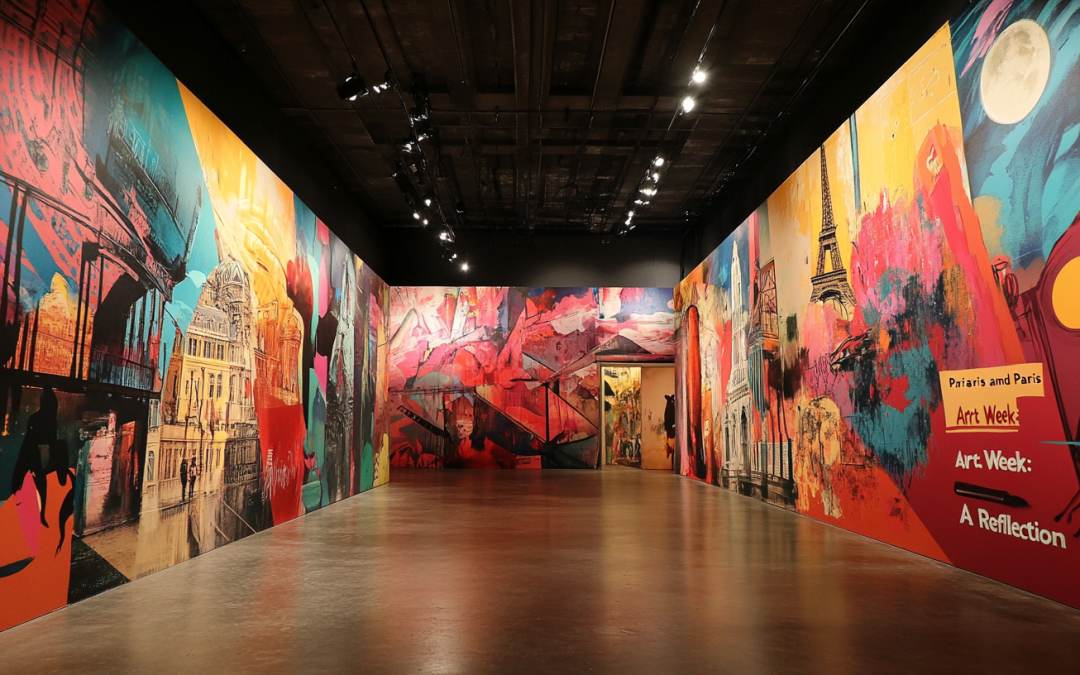
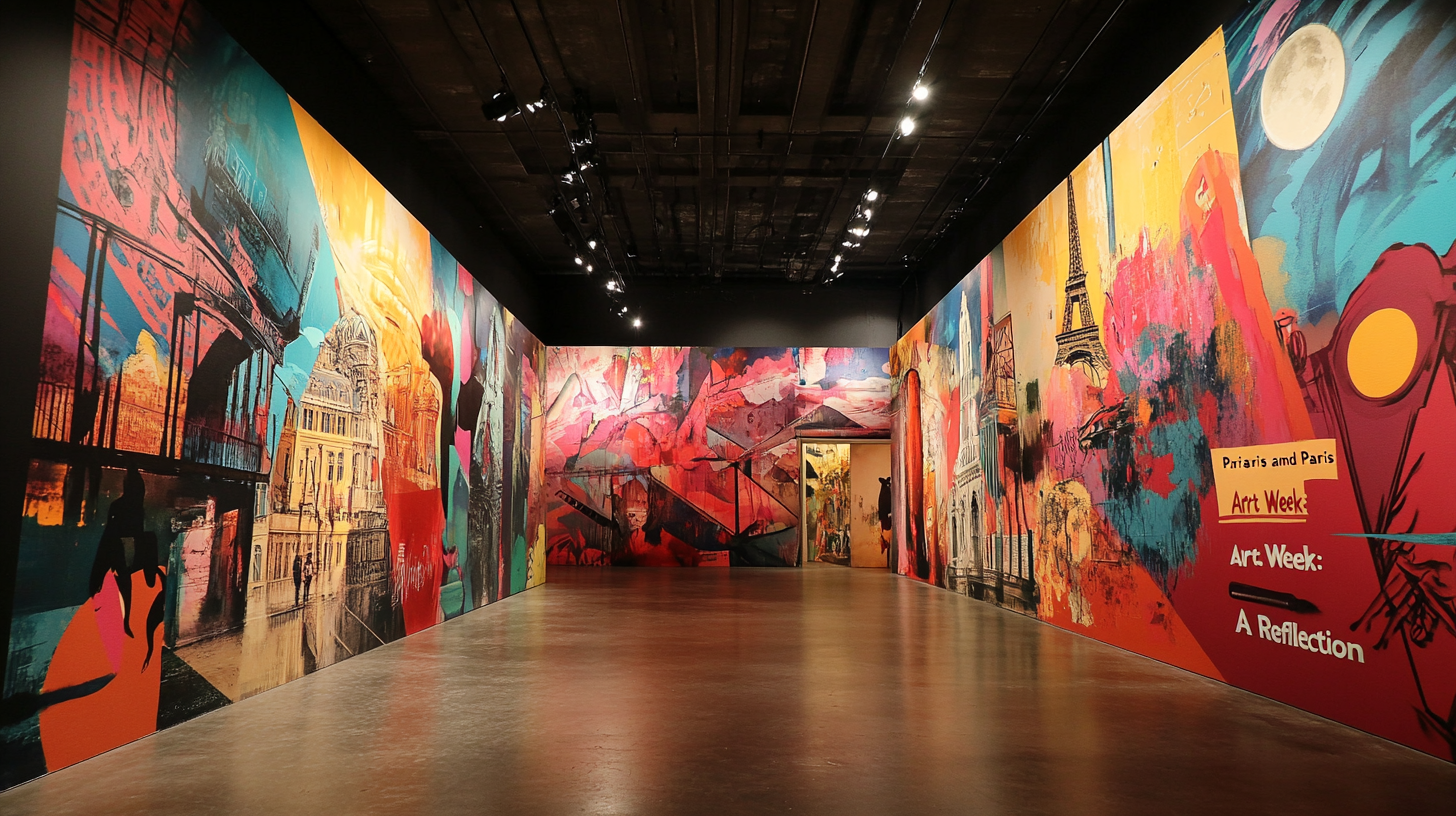
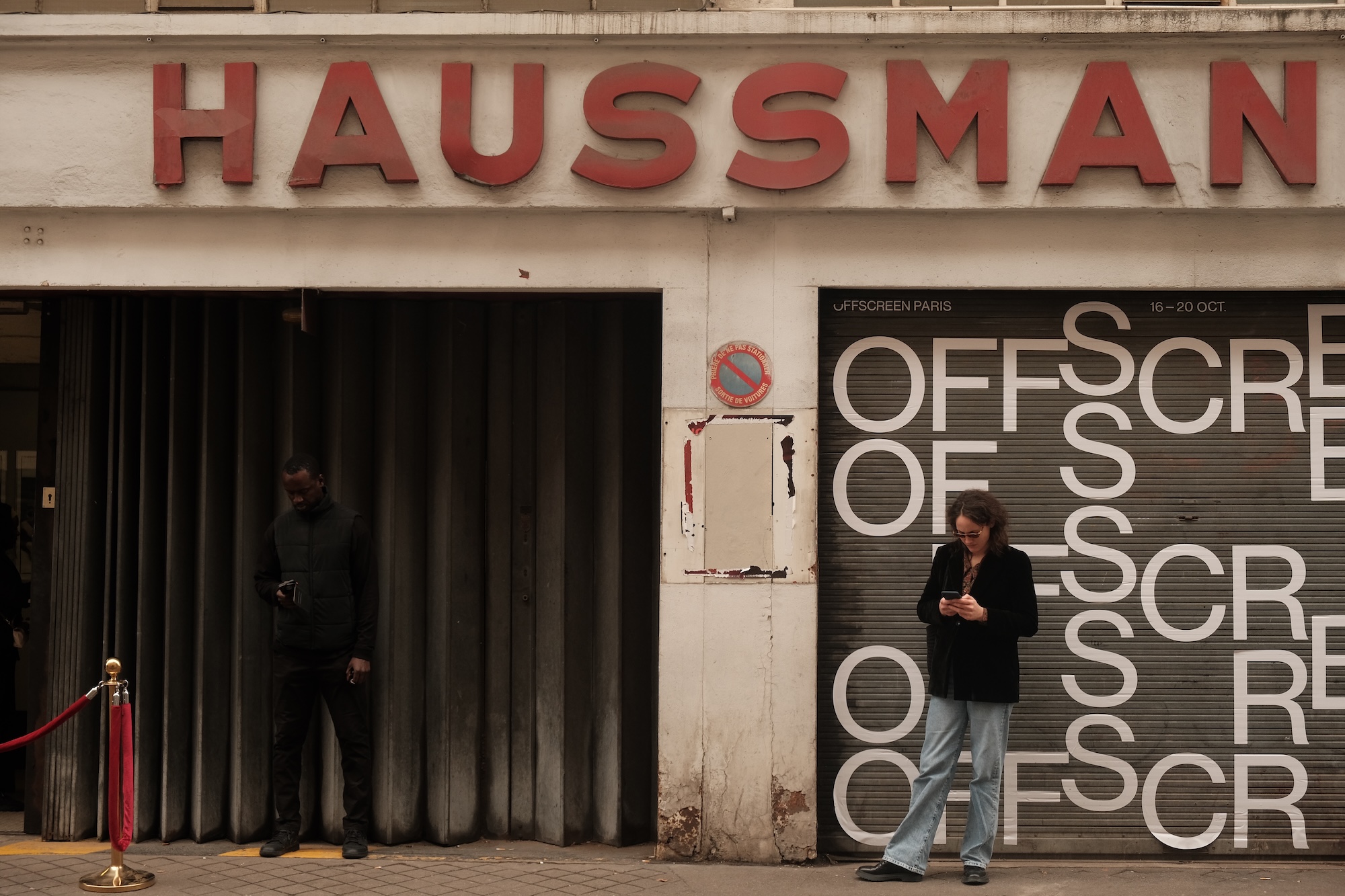
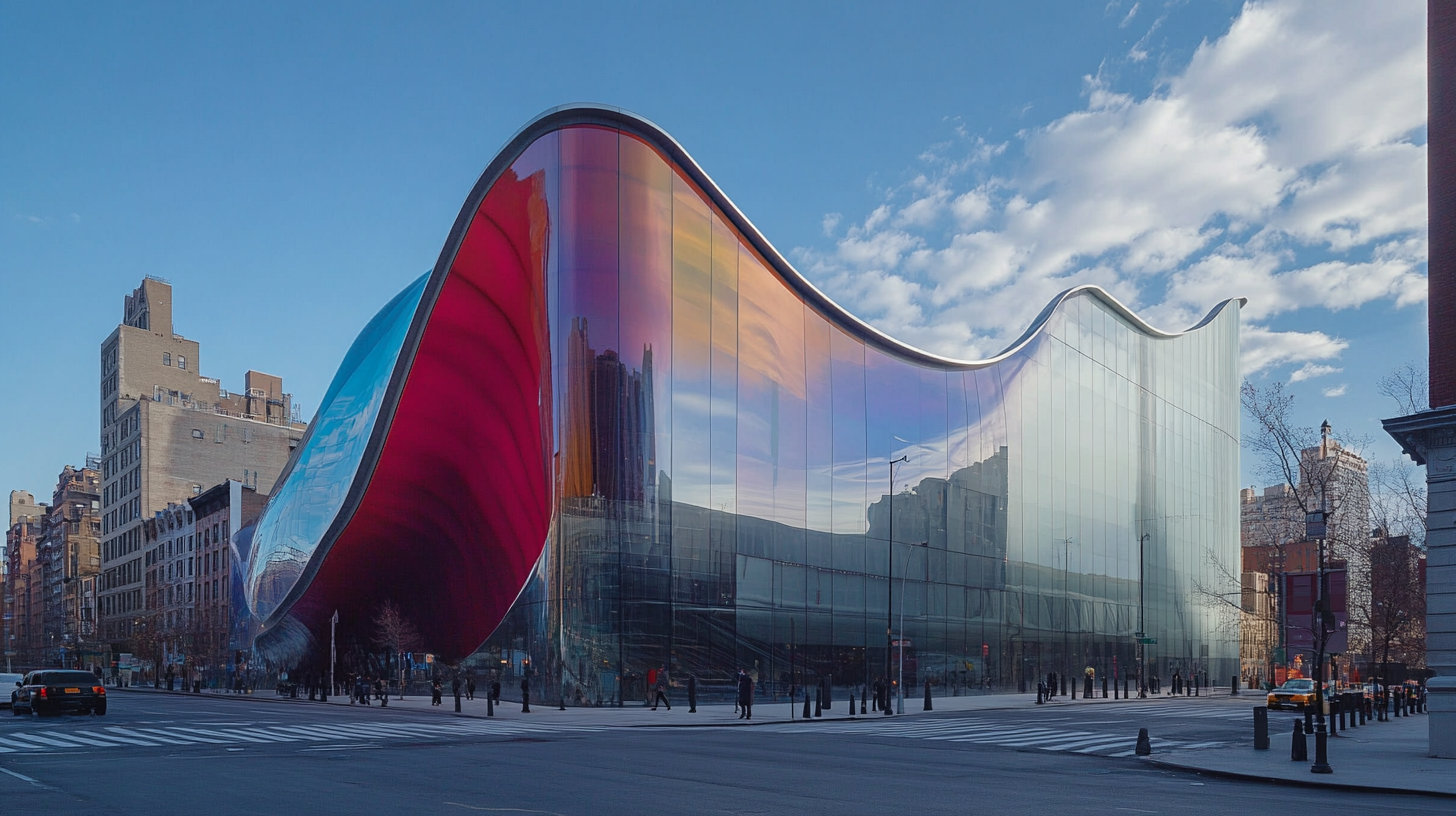
In recent years, Art Basel Paris and Paris Art Week have emerged as significant events in the global art calendar. These renowned exhibitions and fairs serve as platforms for artists, collectors, curators, and art enthusiasts to come together and engage with contemporary art in all its forms. With a rich history of artistic heritage and a thriving contemporary art scene, Paris has become a mecca for artistic inspiration and innovation.
As we delve into the world of Art Basel Paris and Paris Art Week, it is essential to understand the historical context that has shaped the city’s vibrant art scene. Paris has long been a center of artistic creativity, attracting legendary artists such as Pablo Picasso, Henri Matisse, Claude Monet, and Vincent van Gogh. The city’s influential art movements, including Impressionism, Cubism, and Surrealism, have left an indelible mark on the history of art.
Art Basel Paris and Paris Art Week carry forward this artistic legacy, showcasing artists from around the world and providing a platform for contemporary art to evolve and flourish. These events not only celebrate established artists but also offer emerging talents the opportunity to gain recognition and exposure. Through exhibitions, panel discussions, and interactive installations, visitors are immersed in a stimulating environment that celebrates the diversity and ingenuity of contemporary art.
Art Basel Paris and Paris Art Week are not only significant for the local art scene but also have global ramifications. In an increasingly interconnected world, art serves as a universal language that transcends borders and brings people together. These events encourage cross-cultural dialogue and facilitate the exchange of ideas between artists, collectors, and visitors from diverse backgrounds.
Furthermore, with the rise of digital platforms and social media, Art Basel Paris and Paris Art Week have become more accessible to a broader audience. The ability to experience art virtually has increased the visibility and reach of these events, enabling art enthusiasts from all corners of the globe to partake in the excitement and inspiration they offer.
In conclusion, Art Basel Paris and Paris Art Week provide a window into the ever-evolving world of contemporary art. They invite us to explore the intersections of tradition and innovation, history and modernity, and local and global perspectives. Whether one experiences these events in person or virtually, they offer a catalyst for creativity, exploration, and appreciation of art in its myriad forms.
emerging artists who address pressing social and environmental challenges through their work. This year, the theme of the prize is “Art as Catalyst for Change,” reflecting the growing belief that art can be a powerful force for driving positive transformation in our society.
Throughout history, artists have played a pivotal role in shaping public opinion and challenging societal norms. From the Renaissance masters who used their canvases to voice political and religious critiques, to the activists of the 20th century who used their installations and performances to raise awareness about important social issues, artists have never shied away from using their creative voices as a means of sparking conversations and igniting change.
In our current times, with the world facing unprecedented challenges such as climate change, inequality, and political upheaval, the role of art as a catalyst for change is more important than ever. Artists have the unique ability to capture the complexities of our world, to express emotions and ideas that words alone cannot convey, and to generate empathy and understanding among diverse groups of people.
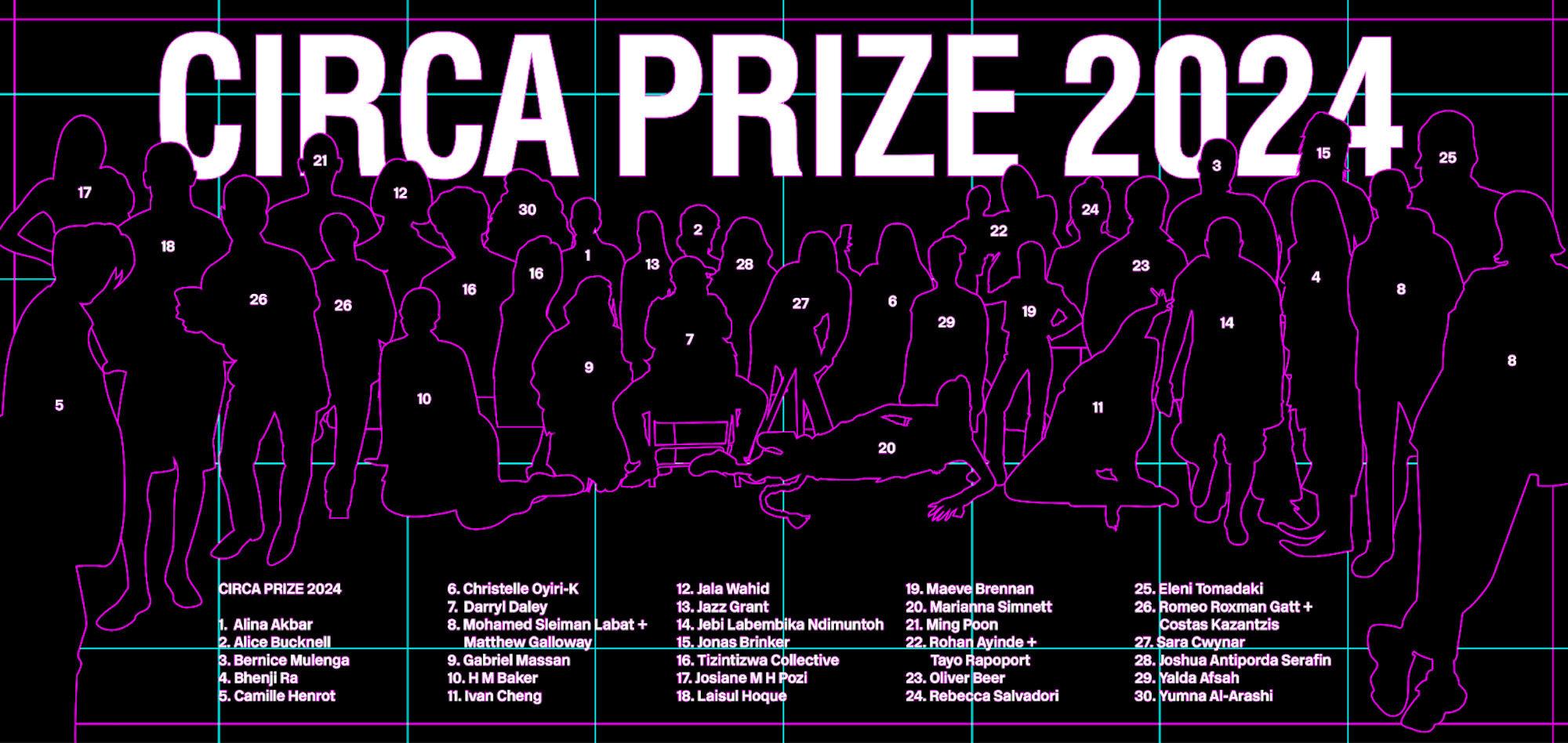
The finalists of the CIRCA PRIZE 2024 have been carefully selected for their ability to harness the power of art to address pressing social and environmental challenges. Their works range from powerful visual pieces that highlight the impacts of climate change on vulnerable communities, to thought-provoking installations that examine the intricate web of societal inequalities. Each artist brings their own unique perspective and voice to the conversation, offering fresh insights and innovative approaches to the issues that define our time.
By highlighting the finalists of the CIRCA PRIZE 2024, CIRCA aims to not only celebrate their creative achievements but also to inspire a broader dialogue about the role of art in creating a better future. This initiative serves as a reminder that art is not just a form of entertainment or decoration but a potent tool for challenging injustice, raising awareness, and inspiring action.
In the words of the renowned artist Pablo Picasso, “Art is the lie that enables us to realize the truth.” Through their provocative and insightful works, the finalists of the CIRCA PRIZE 2024 embody this sentiment, using their art to shed light on the pressing issues of our time and to propel us towards a more just and sustainable future. We hope that their stories and creations will spark conversations, ignite passions, and ultimately contribute to the positive change we all strive for.
CIRCA reveals 30 finalists of CIRCA PRIZE 2024 CIRCA has revealed the 30 finalists of the CIRCA PRIZE 2024—a global initiative spotlighting
Analyzing Key Points: Leonard Riggio’s Contributions to the Art World
Introduction
Leonard Riggio, the entrepreneur and businessman behind Barnes & Noble, recently passed away at the age of 83. While widely known for his leadership in the bookselling industry, Riggio was also a significant figure in the art world. His art collection, alongside his wife Louise, was well-regarded and closely watched. Riggio’s contributions to the art world included his support for the Dia Art Foundation, which has been credited with building a canon of Minimalist art. This article will analyze the key points of Riggio’s involvement in the art world and explore potential future trends related to these themes.
Riggio’s Impact on the Dia Art Foundation
One of Riggio’s major involvements in the art world was his support for the Dia Art Foundation. Riggio served as the foundation’s chairman from 1998 to 2006, during which time he played a pivotal role in its expansion. Dia:Beacon, the organization’s Upstate New York museum, was opened to the public in a former Nabisco factory under Riggio’s leadership. This move allowed the foundation to greatly expand its reach and impact.
Through a million gift from Riggio, the Dia Art Foundation was able to acquire important artworks, including Richard Serra’s “Torqued Ellipses,” which have become major attractions at Dia:Beacon. Riggio’s dedication to the foundation was so strong that he described his position as a “full-time job,” even while still serving as the executive chairman of Barnes & Noble.
Riggio’s Background and Art Collection
Leonard Riggio’s journey into the art world began through his passion for bookselling. After dropping out of school, Riggio founded the Student Book Exchange in 1965, which eventually grew into a successful business with multiple locations. In 1971, he bought Barnes & Noble’s only store in Manhattan and transformed it into a thriving empire.
Throughout his career, Riggio and his wife Louise dedicated themselves to building an impressive art collection. They started collecting in 1994 and quickly expanded their collection to include works by renowned artists such as Alberto Giacometti, Pablo Picasso, and Piet Mondrian. Their collection also included conceptual and avant-garde works by artists like Richard Serra, Isamu Noguchi, and Mario Merz.
The Future of Art Collecting and Patronage
Riggio’s involvement in the art world offers insights into potential future trends in art collecting and patronage. One notable trend is the increasing importance of private collectors in supporting art institutions and influencing the art market. Private collectors, such as Riggio, have the financial means and passion to acquire significant artworks and support institutions like the Dia Art Foundation. These collectors play a crucial role in building art collections, funding exhibitions, and expanding the reach of art organizations.
Another trend that emerges from Riggio’s involvement in the art world is the appreciation for conceptual and avant-garde art. Riggio’s collection included works that may not be traditionally seen as “living room art.” Instead, he was drawn to art that evoked emotion and had a personal connection to him as a collector. This trend suggests that future collectors may prioritize the emotional and personal appeal of artworks over their aesthetic qualities.
Recommendations for the Art Industry
Based on the trends observed through Leonard Riggio’s involvement in the art world, there are several recommendations for the industry:
1. Foster strong relationships between art institutions and private collectors: Building strong partnerships between art institutions and private collectors can lead to significant contributions and support for the art world. Institutions should actively engage with collectors, showcase their collections, and create mutually beneficial collaborations.
2. Embrace diversity and inclusivity in art collections: Riggio’s collection encompassed a wide range of artists and styles, including Minimalist art, Arte Povera, and modernists. Encouraging diversity and inclusivity in art collections can contribute to the growth and evolution of the art industry.
3. Support and promote conceptual and avant-garde art: Riggio’s appreciation for conceptual and avant-garde art highlights the importance of pushing boundaries and exploring new artistic expressions. Institutions should invest in showcasing and supporting artists who challenge traditional norms and push the boundaries of artistic practices.
Conclusion
Leonard Riggio’s contributions to the art world have left a lasting impact on both the Dia Art Foundation and the larger art community. His support for the foundation allowed it to undertake significant projects and expand in the past two decades. Riggio’s involvement in the art world offers insights into the future of art collecting and patronage, emphasizing the role of private collectors and their appreciation for conceptual and avant-garde art. By fostering partnerships, embracing diversity, and supporting innovative art, the industry can continue to thrive and evolve.
Thematic Preface: Unveiling the Essence of Colomboscope ‘Way of the Forest’
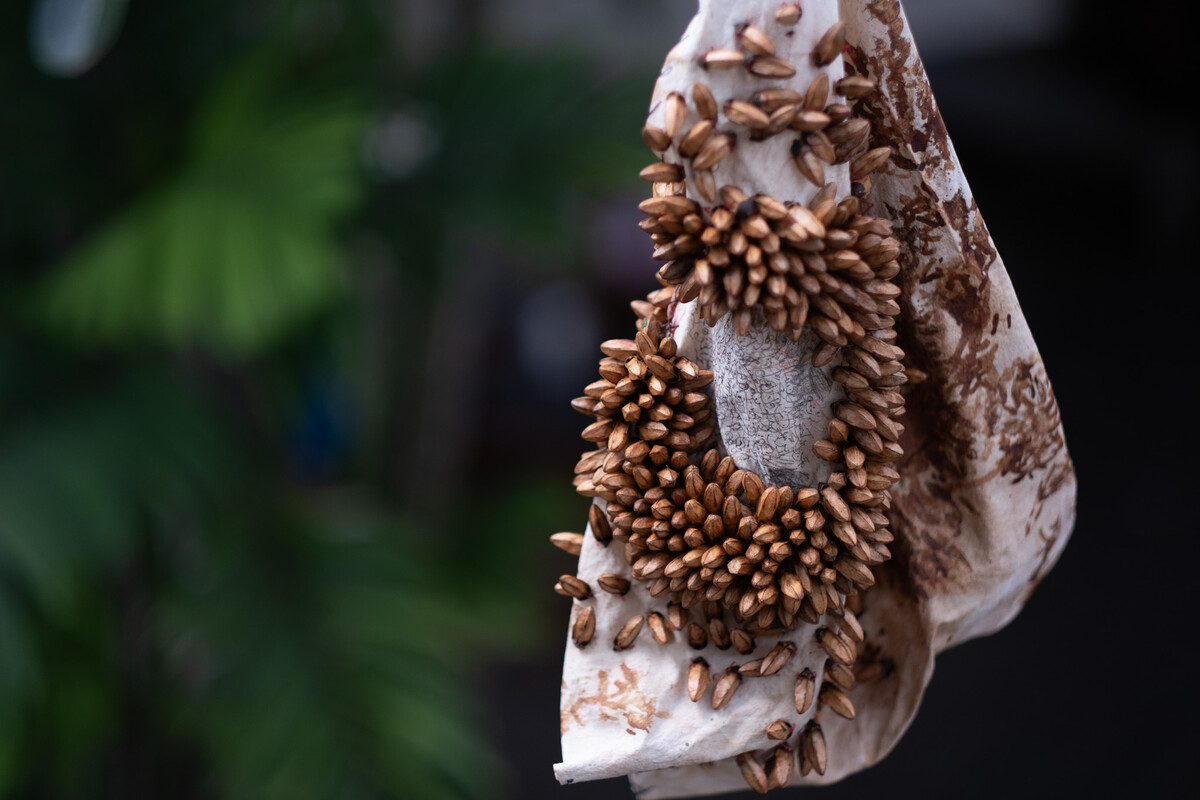
Colomboscope, the renowned arts festival that celebrates and explores the diverse cultures of the Global South, is making its way to the 421 Arts Campus. Titled ‘Way of the Forest’, this traveling edition of Colomboscope brings together a stunning collection of works by 19 talented artists.
The true essence of ‘Way of the Forest’ lies in its exploration of the interwoven relationship between humanity and nature, drawing inspiration from the rich historical and cultural backgrounds of the participating artists. It unveils a profound understanding of the essence of forests and their significance to our planet’s future.
Reconnecting with Our Roots: Embracing Cultural Diversity
In an era where modernization and globalization are rapidly reshaping societies, ‘Way of the Forest’ serves as a poignant reminder of the importance of reestablishing our connection with nature and our cultural roots. As we navigate the complexities of contemporary life, the festival encourages us to rediscover the wisdom and traditions of the past, preserved by the diverse communities from which the artists hail.
Through their thought-provoking works, the artists take us on a journey that defies borders and challenges conventional notions. From vibrant paintings to immersive installations, their creations embody the power of art as a medium for cultural exchange, fostering a deeper understanding and appreciation for the Global South’s creative contributions.
Preserving Our Natural Heritage: The Forest’s Story
We are living in a time where the urgency of addressing environmental challenges has never been so pronounced. ‘Way of the Forest’ amplifies this call for action by presenting the forest as a living entity, entwined with our collective existence. By reflecting on our relationship with nature, the festival blurs the boundaries between humanity and the environment, reminding us of the profound impact we have on the world around us.
Referencing historical perspectives and contemporary practices, the artworks on display inspire contemplation about our responsibility towards the planet. They evoke emotions and invoke introspection, nurturing hope for a more sustainable future where harmony between humans and nature can be achieved.
A Celebration of Artistic Expression: Honoring the Global South
Colomboscope ‘Way of the Forest’ is not merely an arts festival, but a celebration of the explosive creativity and cultural diversity found throughout the Global South. Each artist brings their unique perspective and experiences to the table, enriching the tapestry of artistic expression.
As the festival travels across boundaries, it breaks free from the constraints of geographical limitations. It transcends borders, inviting audiences from all corners of the globe to immerse themselves in this captivating showcase of talent, further reinforcing the significance of global artistic collaboration and exchange.
“Art washes away from the soul the dust of everyday life.” – Pablo Picasso
‘Way of the Forest’ ignites not only our imagination but also our passion for cultural exploration and environmental preservation. Through the canvas of art, the exhibition urges us to reassess our role in the world and embrace a future where the forest’s vibrant spirit intertwines with our own.
421 Arts Campus presents a traveling edition of the arts festival Colomboscope ‘Way of the Forest’ Featuring 19 Artists from the Global South.
As the art industry continues to evolve, there are several potential future trends that are emerging. These trends have the potential to shape the way artwork is created, displayed, and valued. In this article, we will analyze some key points from recent news headlines and discuss the potential implications for the art industry moving forward.
Museum Leadership and Renovations
The departure of Klaudio Rodriguez as the executive director of the Bronx Museum highlights the fluidity and competitiveness of museum leadership positions. This trend of museum directors moving between institutions is likely to continue as directors seek new challenges and opportunities. It also signifies the importance of strong leadership in guiding museum renovations and expansion projects.
Renovations and expansions have become increasingly common in the art world, as museums seek to enhance their spaces and attract more visitors. The Bronx Museum’s million expansion and facelift is an example of this trend. As museums invest in these projects, they are able to curate larger and more diverse collections, provide better facilities for visitors, and ultimately, increase their impact on the art world.
Recommendation: Museum leaders should prioritize strategic planning and ensure that renovation projects are in line with their institution’s mission and goals. Collaboration with architects, curators, and other stakeholders is essential for successful renovations.
Artificial Intelligence and Copyright Issues
The lawsuit filed by a group of artists against AI services such as Midjourney and Stability AI raises important questions about copyright infringement and the role of AI in the art world. Artists claim that AI services broke copyright law by training on datasets that included their work, allowing users to directly reproduce copies of their work.
This lawsuit highlights the tension between artistic expression and technological advancements. As AI technology continues to develop, it is important to establish clear guidelines and regulations to protect artists’ creative rights. This includes ensuring that AI services have proper mechanisms in place to prevent copyright infringement.
Recommendation: Artists should familiarize themselves with copyright laws and actively protect their work through legal measures when necessary. AI companies should also be transparent about their data sources and implement strict policies to prevent copyright infringement.
Securing Artworks in Times of Conflict
The Tel Aviv Museum of Art’s decision to secure its most valuable works in the basement reflects the ongoing threat of conflict in the Middle East. The museum is taking proactive measures to protect artworks, including paintings by renowned artists like Pablo Picasso and Gustav Klimt.
This trend highlights the vulnerability of cultural heritage during times of regional tensions. Museums and art institutions around the world may need to consider similar measures to secure their collections in the face of potential conflicts or natural disasters.
Recommendation: Museums should develop comprehensive emergency plans that include strategies for protecting and relocating artworks during times of crisis. Collaborations with local authorities and international organizations can help institutions access necessary resources and expertise.
Challenges with Online Art Platforms
The lawsuit filed against the Museum of Ice Cream in Manhattan sheds light on the potential risks and challenges associated with immersive and interactive art experiences. The plaintiff claims that the museum failed to provide adequate warnings and that there were not enough sprinkles in the sprinkle pool.
This lawsuit highlights the need for clear communication, proper safety measures, and quality control in experiential art installations. Online art platforms and immersive experiences can provide unique opportunities for artists and audiences, but they also come with potential risks and liabilities.
Recommendation: Art institutions and artists should prioritize safety and quality control in interactive art installations. Clear signage, safety guidelines, and regular maintenance are essential to ensure a positive and safe experience for visitors.
Conclusion
As the art industry continues to evolve, it is important for stakeholders to stay informed about emerging trends and adapt to the changing landscape. Balancing technological advancements, legal considerations, and ensuring the safety and preservation of artworks are key challenges for the industry. By being proactive and implementing strategic measures, the art industry can navigate these trends and continue to thrive.
References
FT: How do you choose which museums to visit in Paris?
The Times of Israel: Tel Aviv museum hides valuable works in basement amid conflict fears
BBC: Yoshitomo Nara and others subverting Japan’s cute aesthetic
Business Insider: Ancient coin hoard goes under the hammer
Artnet News: Lawsuit against Museum of Ice Cream in Manhattan