As the art industry continues to evolve, there are several potential future trends that are emerging. These trends have the potential to shape the way artwork is created, displayed, and valued. In this article, we will analyze some key points from recent news headlines and discuss the potential implications for the art industry moving forward.
Museum Leadership and Renovations
The departure of Klaudio Rodriguez as the executive director of the Bronx Museum highlights the fluidity and competitiveness of museum leadership positions. This trend of museum directors moving between institutions is likely to continue as directors seek new challenges and opportunities. It also signifies the importance of strong leadership in guiding museum renovations and expansion projects.
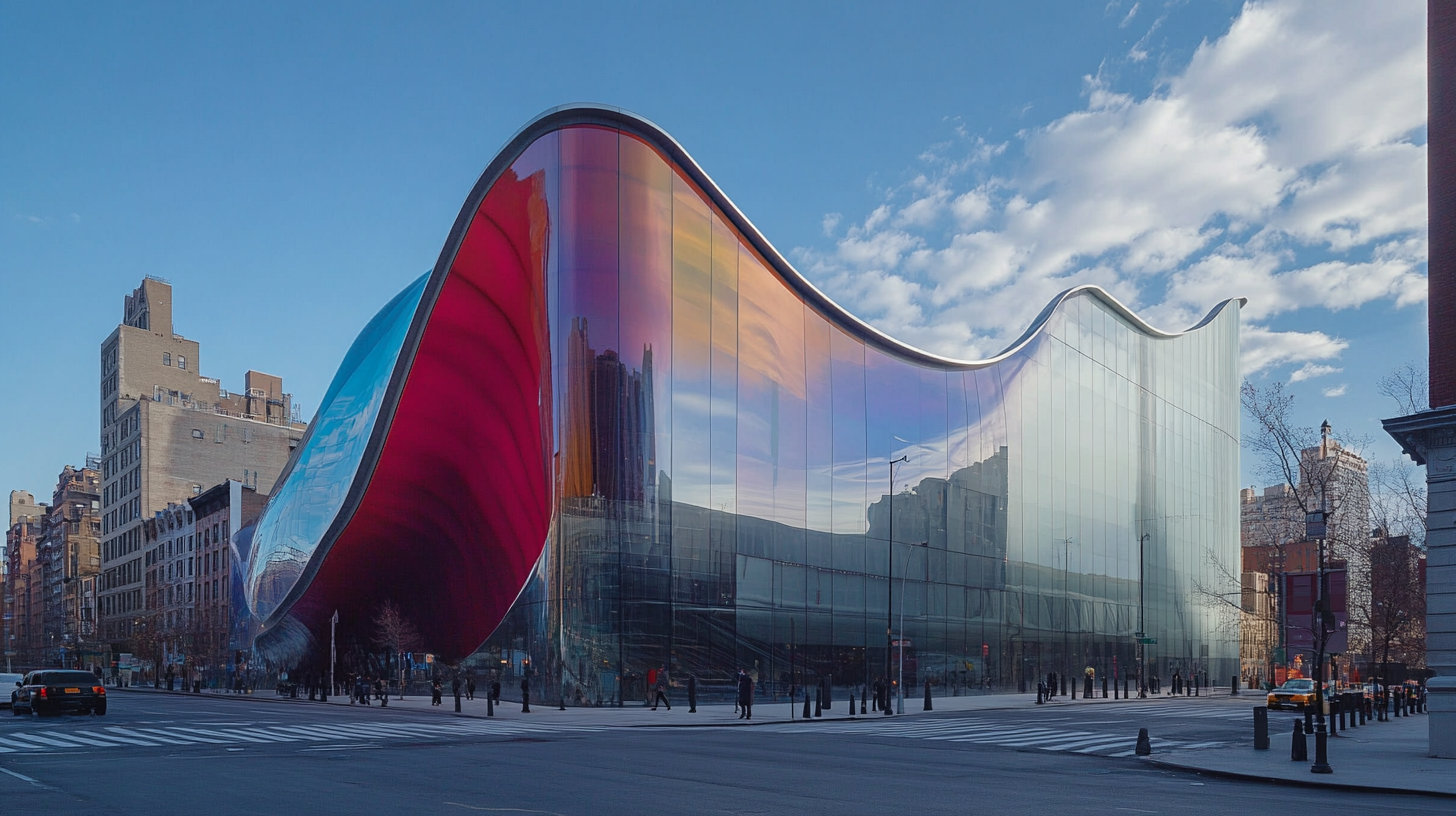
Renovations and expansions have become increasingly common in the art world, as museums seek to enhance their spaces and attract more visitors. The Bronx Museum’s million expansion and facelift is an example of this trend. As museums invest in these projects, they are able to curate larger and more diverse collections, provide better facilities for visitors, and ultimately, increase their impact on the art world.
Recommendation: Museum leaders should prioritize strategic planning and ensure that renovation projects are in line with their institution’s mission and goals. Collaboration with architects, curators, and other stakeholders is essential for successful renovations.
Artificial Intelligence and Copyright Issues
The lawsuit filed by a group of artists against AI services such as Midjourney and Stability AI raises important questions about copyright infringement and the role of AI in the art world. Artists claim that AI services broke copyright law by training on datasets that included their work, allowing users to directly reproduce copies of their work.
This lawsuit highlights the tension between artistic expression and technological advancements. As AI technology continues to develop, it is important to establish clear guidelines and regulations to protect artists’ creative rights. This includes ensuring that AI services have proper mechanisms in place to prevent copyright infringement.
Recommendation: Artists should familiarize themselves with copyright laws and actively protect their work through legal measures when necessary. AI companies should also be transparent about their data sources and implement strict policies to prevent copyright infringement.
Securing Artworks in Times of Conflict
The Tel Aviv Museum of Art’s decision to secure its most valuable works in the basement reflects the ongoing threat of conflict in the Middle East. The museum is taking proactive measures to protect artworks, including paintings by renowned artists like Pablo Picasso and Gustav Klimt.
This trend highlights the vulnerability of cultural heritage during times of regional tensions. Museums and art institutions around the world may need to consider similar measures to secure their collections in the face of potential conflicts or natural disasters.
Recommendation: Museums should develop comprehensive emergency plans that include strategies for protecting and relocating artworks during times of crisis. Collaborations with local authorities and international organizations can help institutions access necessary resources and expertise.
Challenges with Online Art Platforms
The lawsuit filed against the Museum of Ice Cream in Manhattan sheds light on the potential risks and challenges associated with immersive and interactive art experiences. The plaintiff claims that the museum failed to provide adequate warnings and that there were not enough sprinkles in the sprinkle pool.
This lawsuit highlights the need for clear communication, proper safety measures, and quality control in experiential art installations. Online art platforms and immersive experiences can provide unique opportunities for artists and audiences, but they also come with potential risks and liabilities.
Recommendation: Art institutions and artists should prioritize safety and quality control in interactive art installations. Clear signage, safety guidelines, and regular maintenance are essential to ensure a positive and safe experience for visitors.
Conclusion
As the art industry continues to evolve, it is important for stakeholders to stay informed about emerging trends and adapt to the changing landscape. Balancing technological advancements, legal considerations, and ensuring the safety and preservation of artworks are key challenges for the industry. By being proactive and implementing strategic measures, the art industry can navigate these trends and continue to thrive.
References
FT: How do you choose which museums to visit in Paris?
The Times of Israel: Tel Aviv museum hides valuable works in basement amid conflict fears
BBC: Yoshitomo Nara and others subverting Japan’s cute aesthetic
Business Insider: Ancient coin hoard goes under the hammer
Artnet News: Lawsuit against Museum of Ice Cream in Manhattan
In today’s rapidly evolving world, the role of artistic research and production in shaping our society has gained significant importance. Artists have long been at the forefront of exploring new ideas, challenging existing norms, and creating social change through their work. The Salt Artistic Research and Production Grant Program, in collaboration with the BBVA Foundation, recognizes and supports these visionary artists by providing them with the resources they need to bring their ideas to life.
As we embark on this exciting journey of artistic exploration, it is essential to acknowledge the historical significance of such initiatives. Throughout history, artists have played a pivotal role, transcending cultural boundaries and influencing diverse spheres of society. From Leonardo da Vinci’s innovative creations during the Renaissance to the thought-provoking works of Frida Kahlo and Pablo Picasso in the 20th century, art has always acted as a catalyst for change.
However, the true power of art lies in its ability to adapt and respond to contemporary challenges. As we face complex issues in our present-day world, the need for artistic research and production becomes even more urgent. Artists hold a unique perspective, capable of shedding light on societal issues, whether it is climate change, gender inequality, or the impact of technology on our lives. Through their work, they not only raise awareness but also compel us to think critically and foster meaningful conversations about these topics.
The Salt Artistic Research and Production Grant Program serves as a platform for talented artists to further explore the intersection of art and society. By providing financial support and resources, it encourages experimentation, collaboration, and the realization of ambitious artistic projects. This program enables artists to delve deep into their chosen themes, engaging in rigorous research and pushing the boundaries of traditional artistic practices. It is through these immersive experiences that artists can develop their creative voice and contribute to the cultural landscape in meaningful ways.
The recipients of the Salt Artistic Research and Production Grant Program exemplify the spirit of artistic exploration and innovation. Their projects reflect a diverse range of themes, techniques, and mediums, showcasing the breadth of artistic expression in today’s world. Whether it is through visual arts, performance, or new media, these artists have demonstrated a deep commitment to their craft and a desire to make a positive impact on society.
We are honored to support these extraordinary artists and to witness the transformational journey they will undertake in the course of their projects. Through their groundbreaking work, we hope to inspire future generations of artists, fostering an environment where creativity and critical thinking can thrive.
Join us in celebrating the visionaries of our time as they embark on this exciting artistic endeavor. Together, let us explore the endless possibilities that arise when art and research converge, shaping our world and influencing the course of our collective future.
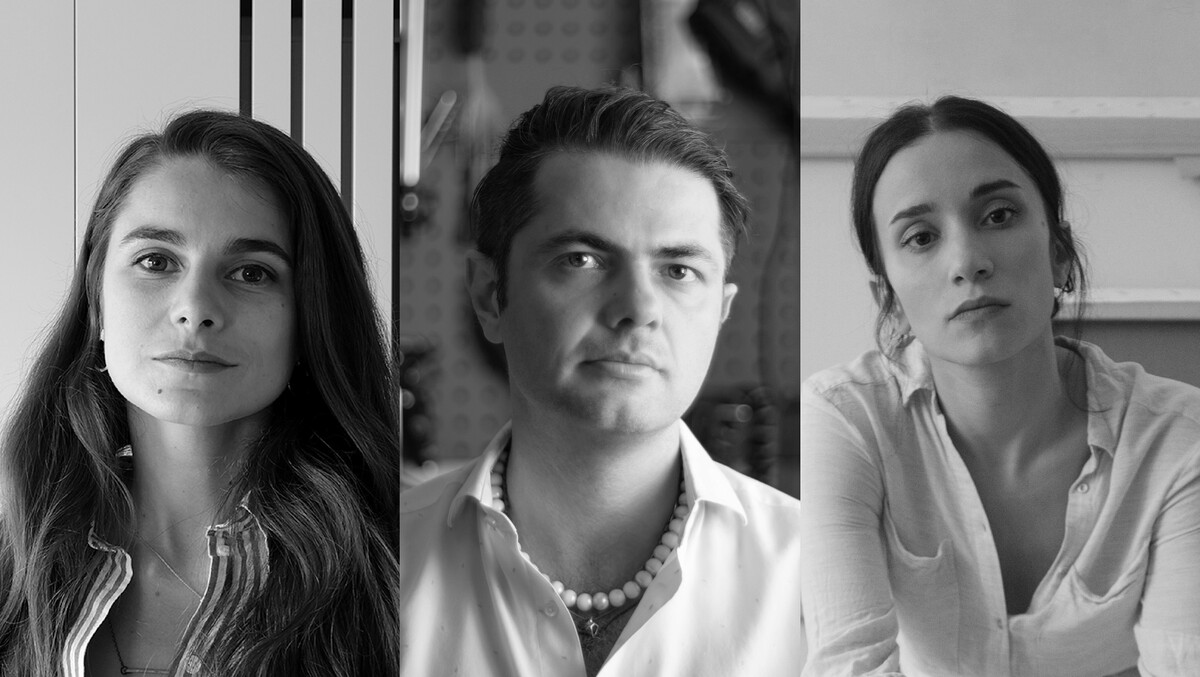
Salt, in collaboration with the BBVA Foundation, is pleased to announce the recipients of the Salt Artistic Research and Production Grant Program.
Thematic Preface: Unveiling the Legacy of Classical Modernist Paintings
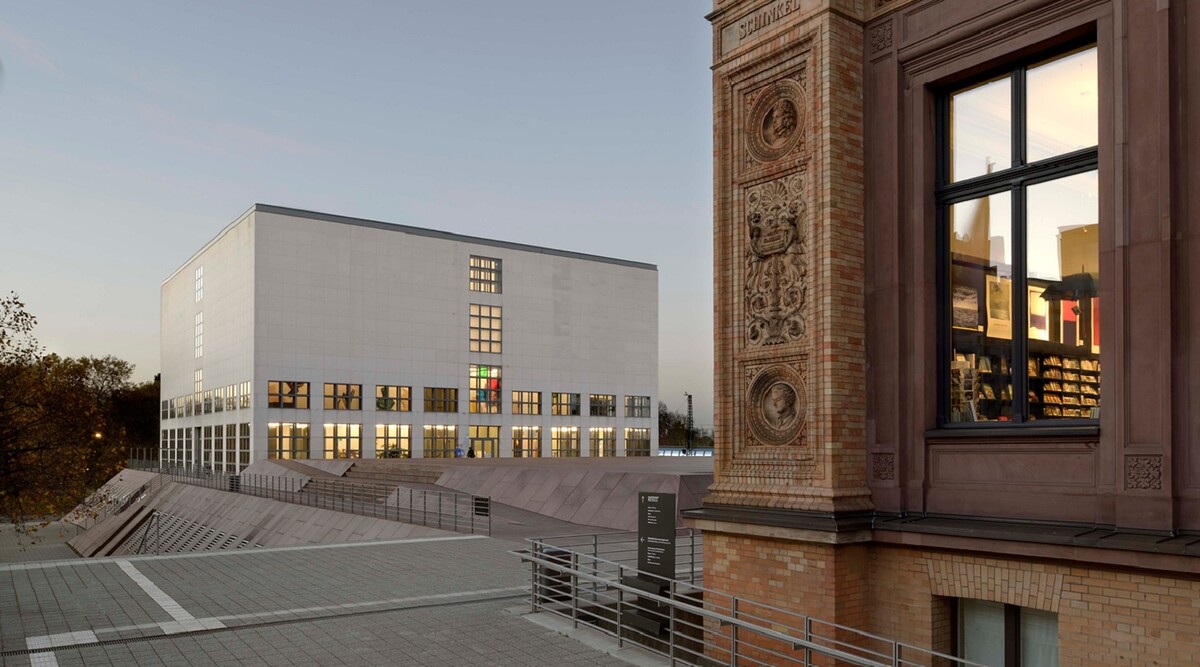
As the Hamburger Kunsthalle embarks on its quest to find a new Head of the Collection of Classical Modernist Paintings, it is essential to acknowledge the profound impact that these artworks have had on art history and contemporary culture. This curated collection of timeless masterpieces serves as a window into the evolution of artistic expression during one of the most transformative periods in the history of art.
The classical modernist movement emerged in the late 19th and early 20th centuries as a response to the changing world. It encapsulated the innovative ideas and experimentation that swept across Europe and beyond, challenging conventional artistic techniques and pushing the boundaries of creativity.
The collection of classical modernist paintings at Hamburger Kunsthalle offers a rich diversity of styles, artistic movements, and powerful visions. From the vibrant brushstrokes of the Fauvists to the abstract geometric compositions of the Suprematists, these artworks speak to the exhilarating spirit of the age, reflecting the changing social, political, and technological landscapes.
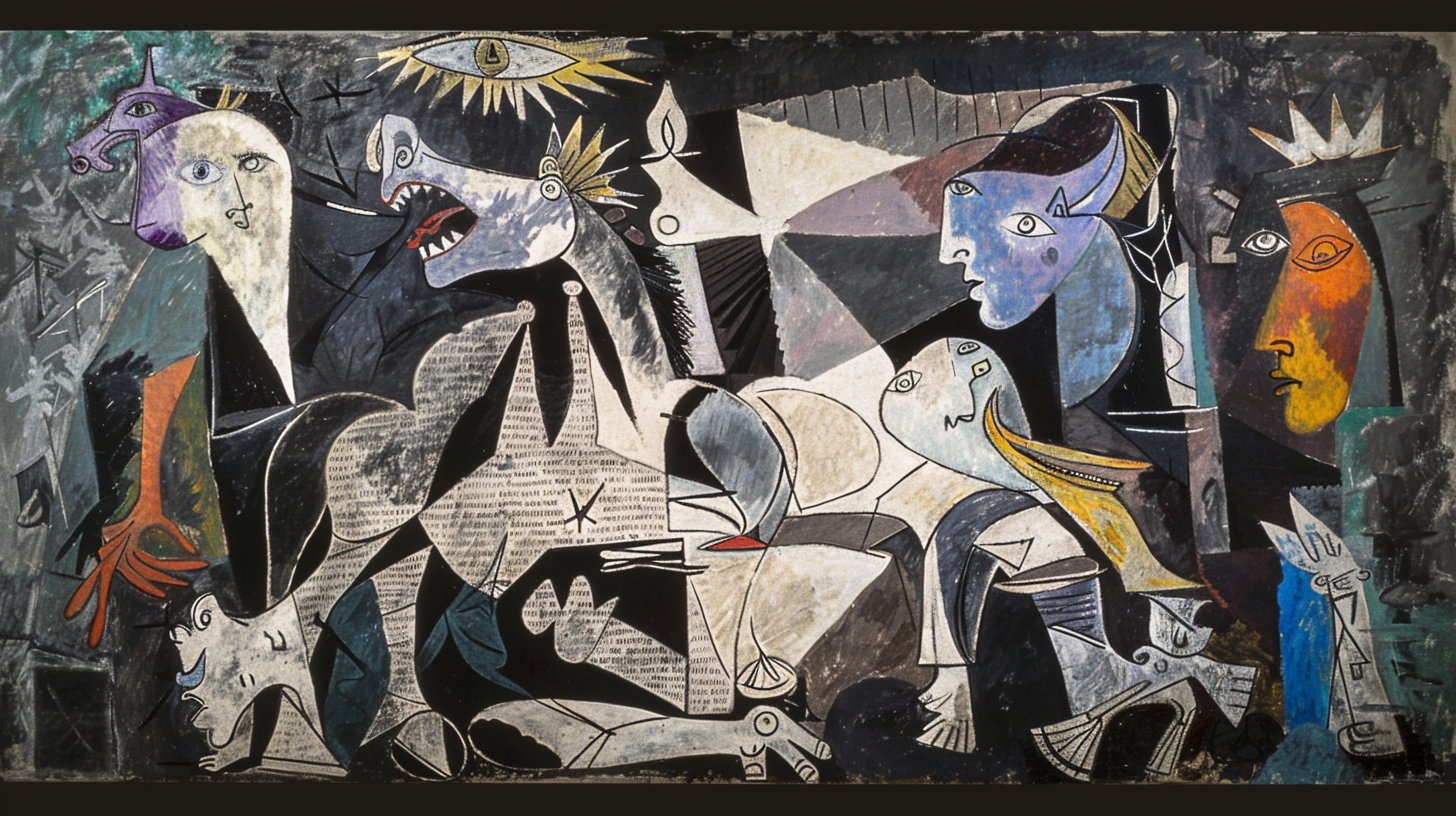
Artists such as Wassily Kandinsky, Pablo Picasso, Henri Matisse, and Kazimir Malevich, among countless others, revolutionized the art world through their innovative approaches. Their works embody the emancipatory impulse that drove both personal and collective transformation, unveiling new ways of seeing and understanding reality.
Understanding the significance of classical modernist paintings requires exploring their historical context and their influence on subsequent artistic movements. These iconic artworks not only challenged traditional artistic conventions during their time but continue to resonate with audiences today. Their enduring relevance and significance are vivid testaments to the power of human creativity.
In this article, we delve into the Hamburger Kunsthalle’s search for a new Head of the Collection of Classical Modernist Paintings. We explore the expectations and qualifications required to curate, preserve, and interpret these treasured works of art. Furthermore, we examine the crucial role that this position plays in fostering dialogue, scholarship, and public engagement with this extraordinary collection.
Join us as we embark on a captivating journey through the legacy of classical modernist paintings, paying homage to the artistic daring, creativity, and intellectual pursuits of those who paved the way for artistic innovation and cultural transformation.
Hamburger Kunsthalle is seeking a new Head of the Collection of Classical Modernist Paintings.
A restitution lawsuit regarding Picasso’s painting “Woman Ironing” was dismissed by the Manhattan Supreme Court.
The lawsuit was filed by Thomas Bennigson, a relative of Karl Adler, a German Jewish art collector.
Bennigson claimed that Adler sold the painting under duress in 1938 to fund his family’s escape from the Nazi regime.
The painting was sold to a Parisian art dealer for a fraction of its value, and it is alleged that the dealer was aware of Adler’s situation.
The painting is now valued between 0 million and 0 million.
The courts do not have clear guidelines on what constitutes a sale under duress.
Judges are often reluctant to void sales claimed to be under duress.
The judge in this case decided in favor of the Guggenheim Foundation based on the fact that the family had been aware of the painting’s presence at the museum for years.
The plaintiffs failed to demonstrate specific duress or malice suffered by the Adler family that would have prompted the sale.
The judge stated that the complaint assumed all sales during the Nazi era are per se voidable, but did not show specific coercion in this case.
Restituting works through the courts has proven difficult, with several recent lawsuits being dismissed.
Potential Future Trends in Art Restitution
The dismissal of the lawsuit regarding Picasso’s “Woman Ironing” highlights the challenges of art restitution cases, particularly those involving sales made during the Nazi era. These cases require establishing a clear link between the sale and the specific duress or coercion suffered by the original owners. However, as seen in this case, the courts do not have clear guidelines on what constitutes a sale under duress.
One potential future trend in art restitution is the development of clearer legal frameworks and guidelines for determining sales under duress. Currently, judges tend to rely on other grounds to decide such cases, often leading to dismissals. However, as the public becomes more aware of the historical context and the plight of original owners, there may be increasing pressure for legal systems to provide clearer definitions and standards for proving duress in art sales.
Another trend in art restitution is the use of provenance research and investigation to establish the circumstances surrounding a sale. In the case of “Woman Ironing,” the judge’s decision heavily relied on the fact that the family had been aware of the painting’s presence at the Guggenheim for years. This demonstrates the importance of transparency and documentation regarding a work’s ownership history. Going forward, institutions and collectors may invest more resources in provenance research to ensure a clear and traceable chain of ownership.
Furthermore, technological advancements may play a role in art restitution. The use of blockchain technology, for example, could provide a transparent and immutable record of a work’s ownership history, making it easier to establish whether a sale was made under duress. This could potentially strengthen the claims of original owners and aid in successful restitution cases.
Predictions and Recommendations
Based on the current challenges and potential future trends in art restitution, several predictions and recommendations can be made for the industry:
There will be an increased focus on establishing clear guidelines and legal frameworks for determining sales under duress. This will require collaboration between legal experts, art historians, and stakeholders in the art world.
Institutions and collectors should prioritize provenance research and documentation to ensure transparency and traceability in a work’s ownership history.
The art industry should explore and embrace technological solutions like blockchain to enhance provenance tracking and facilitate the resolution of restitution claims.
Public awareness and advocacy for the restitution of looted art will continue to grow, putting pressure on institutions and governments to address these issues more proactively.
Education and awareness programs should be developed to inform the public about the historical context of art sales during periods of duress, fostering empathy and understanding towards the original owners and their descendants.
References
Alberge, D. (2023, January 27). New York courts dismiss Nazi-looted art case against Guggenheim. The Guardian. Link
Barone, J., & Cantrell, A. (2023, January 19). Lawsuit Alleges Nazi-Era Duress in Guggenheim’s Ownership of Picasso. ARTnews. Link
Russeth, A. (2023, January 19). A Lawsuit Filed Today Claims the Guggenheim Museum’s Picasso Was Sold Off by a Jewish Collector in Paris Under Duress in 1938. ARTnews. Link
Matisse auction. As we immerse ourselves in the world of art, we often find ourselves drawn to the works of iconic artists who have left an indelible mark on history. Two such artists are Pablo Picasso and Henri Matisse, whose artistic legacies continue to captivate audiences around the world.
In this article, we delve into the diverse and extraordinary works of Picasso and Matisse, exploring the central theme that ties these pieces together. Throughout history, both artists have pushed boundaries, challenging traditional notions of art and redefining what it means to be an artist.
Picasso, a pioneer of Cubism, shattered the conventional understanding of perspective and representation. His bold and fragmented compositions, such as Les Demoiselles d’Avignon, challenged the viewer to see the world from multiple perspectives simultaneously. This groundbreaking approach revolutionized the art world and paved the way for countless artists to explore new possibilities.
On the other hand, Matisse’s contribution to modern art lies in his exploration of color and form. He believed that art should be an expression of joy and vitality, and this belief is evident in his vibrant and exuberant creations, such as The Dance. Matisse’s bold and abstract use of color breathed new life into the art world, inviting viewers to experience the beauty of the world through his eyes.
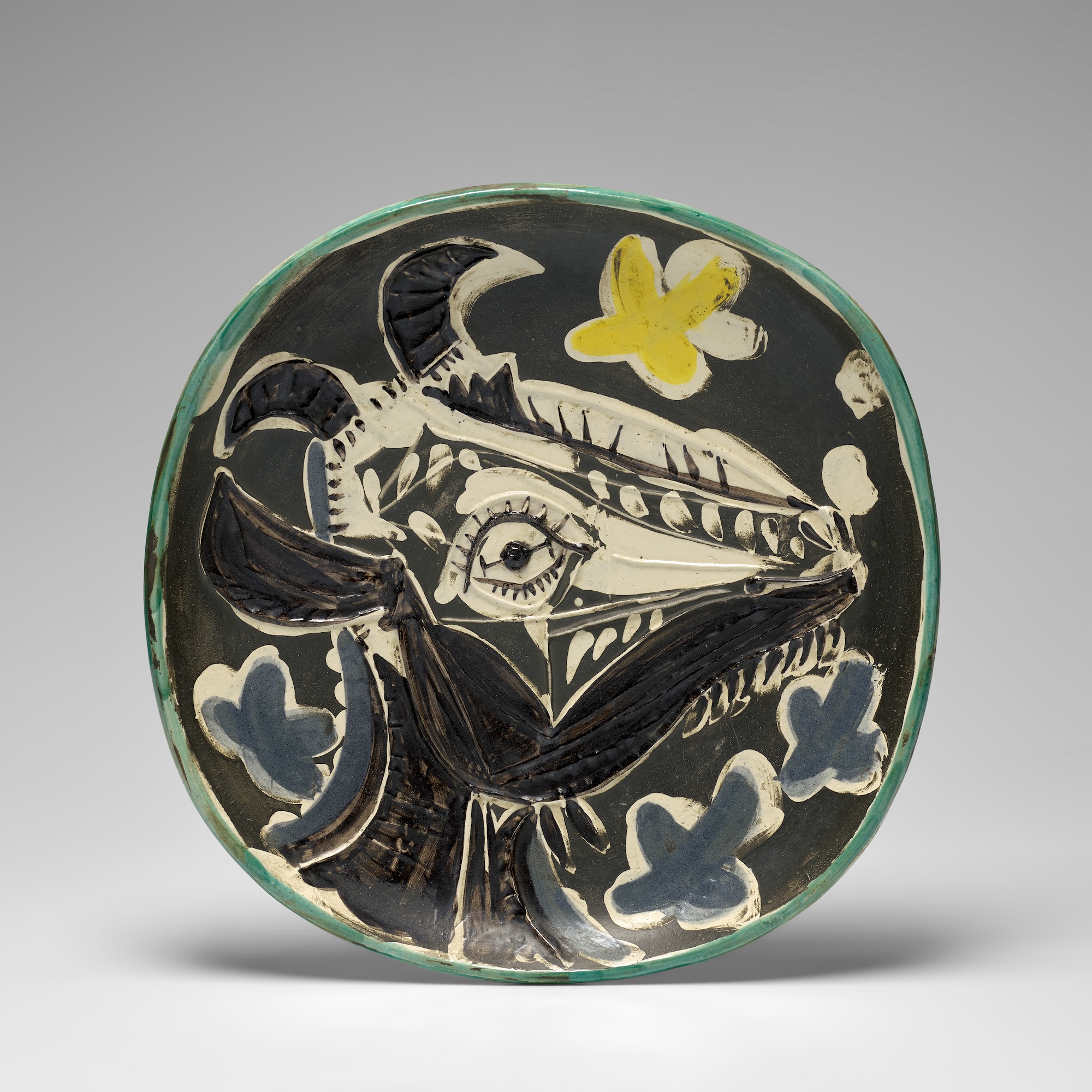
As we examine the 7 artworks selected by Rebecca Tooby-Desmond for the upcoming Picasso and Matisse auction, we are reminded of the lasting impact of these artists. Each piece showcases their distinct styles and artistic philosophies, inviting us to reflect on the evolution of art and its ability to transcend time.
From Picasso’s introspective portraits to Matisse’s energetic compositions, these artworks reveal the artists’ constant desire to push boundaries and challenge the status quo. They serve as a reminder that art is not static, but rather an ever-evolving expression of the human experience.
In a world that is ever-changing and often tumultuous, Picasso and Matisse offer us a glimpse into the transformative power of art. Their legacies stand as a testament to the enduring relevance of their work and their ability to inspire generations to come.
As we embark on this visual journey, let us embrace the spirit of Picasso and Matisse, allowing their art to ignite our own creativity and foster a deeper understanding of the world around us.
Rebecca Tooby-Desmond, Phillips’ Specialist, Head of Sale and Auctioneer, Editions has picked 7 artworks to look out for at the upcoming Picasso and